

Parliament on Tuesday, October 6, gave its First Reading to a bill seeking to amend the Maritime and Port Authority of Singapore Act 1996 (MPA Act).
The proposed amendments seek to address significant developments in maritime operations, including digitalisation, remote operations, autonomous vessels and increasingly complex port activities.
The bill also aims to strengthen the regulatory framework, address emerging threats and enable the MPA to intervene more effectively to safeguard the safety, reliability and efficiency of the Port of Singapore.
YOU MAY ALSO LIKE: NTSB urges shipping firms to review daily vessel operations to prevent maritime incidents
Licences, safety, cyber security, technology and enforcement
The proposed amendments specifically cover five key areas.
First, they seek to strengthen MPA’s regulatory framework and powers over maritime licensees. This will give MPA greater authority to assess licence applications and issue directions on safety, efficiency, reliability, environmental sustainability and service quality.
It also aims to strengthen support for essential port infrastructure and ensure safe and reliable port operations.
Second, they would enhance MPA’s powers to intervene promptly to safeguard maritime safety and operational continuity.
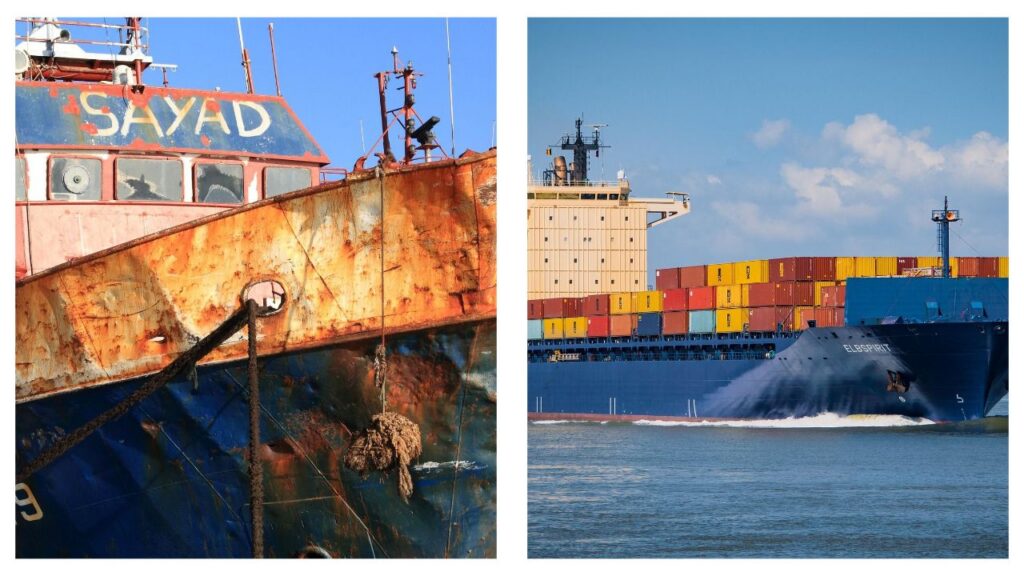
This amendment will help strengthen MPA’s powers to address risks posed by stranded or abandoned vessels, wrecks and other objects in Singapore’s waters.
This would expand the circumstances in which MPA can require or undertake their removal to safeguard navigational safety, the marine environment and port operations.
Third, the bill proposes introducing cybersecurity requirements for the maritime sector to strengthen protection against cyber threats.
Under the act, a sectoral cybersecurity framework will be established, allowing MPA to designate Important Information Infrastructure (III), impose cybersecurity requirements and issue directions to protect critical maritime systems.
The framework will complement Singapore’s Cybersecurity Act 2018 and strengthen the maritime sector’s preparedness for and response to cyber threats and incidents.
Fourth, it seeks to provide a regulatory framework for the safe use of new and emerging maritime technologies.
It will update the MPA Act to account for emerging technologies, including autonomous surface vessels, aerial drones and artificial intelligence, and provide MPA with the legal basis to regulate their safe use in maritime operations.
Lastly, the amendments would strengthen MPA’s investigative and enforcement powers, including its ability to obtain and verify information and documents needed to carry out its regulatory functions.
The bill is scheduled for its Second Reading in Parliament in November.
READ NEXT: Biofuels, green hydrogen key to shipping industry’s 2050 net-zero goal
 James Mario Ajero
  Levi Mora
  Kamille Q. Cabreza