

Tesla has reported a decline in third-quarter earnings, as the American electric vehicle maker channels record levels of spending into artificial intelligence, robotics, and self-driving technology.
According to the latest data, the firm’s revenue held steady at $28 billion, but net profits fell 42.7% year-on-year to $787 million, weighed down by higher research budgets and softer sales in some international markets.
Surging investment weighs on quarterly results
The company more than doubled its capital expenditure during the three months, reaching $4.7 billion, and anticipates spending roughly $20 billion over the coming year.
This figure could rise even higher, with projections for 2026 pointing toward a budget exceeding $25 billion.
Tesla’s chief financial officer, Vaibhav Taneja, said the company is confident that the spending will remain necessary and well-managed.
He noted that the level of planned investment is roughly two-and-a-half times the company’s total capital budget for 2025, underscoring the scale of transformation underway.
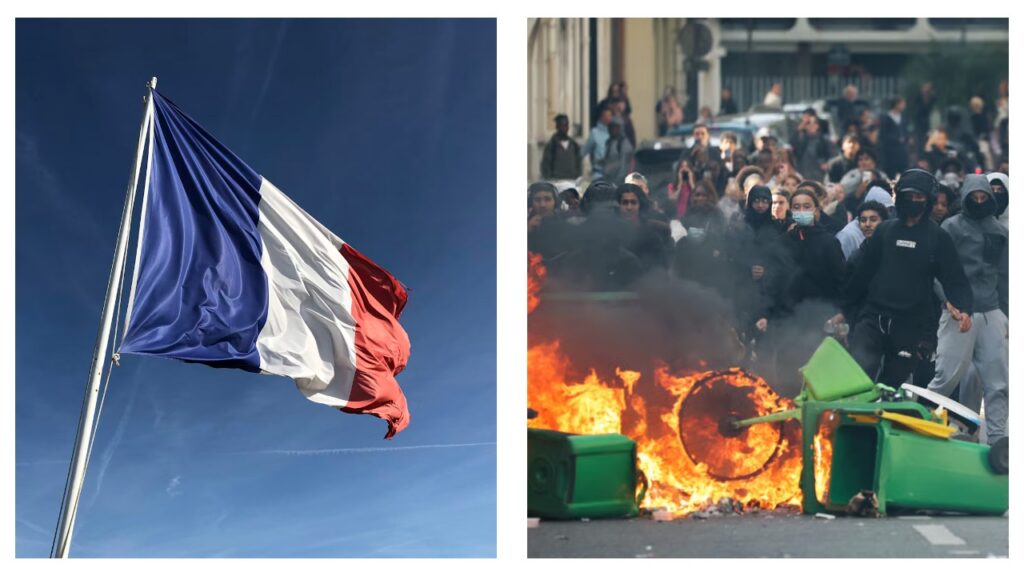
READ MORE: Cost-of-living protests spiral into violence across France
Robotics and AI take center stage
Meanwhile, it was reported that a significant portion of the new funding is flowing into Tesla’s robotics initiatives, including its humanoid robot, Optimus, and a growing fleet of autonomous delivery units known as Optimus Robovans.
Approximately 800 Robovans are currently operating in pilot service in Austin, Texas, with company officials indicating the program could expand to over one million units next year.
Executives acknowledged that rapid expansion raises valid concerns, particularly around safety oversight.
They explained that if the current pace of robovan growth continues, said venture could be meaningful financially as early as next quarter.
The ramp-up is guided by a strong desire to avoid safety problems,” the company noted in its quarterly update.
Elon Musk described the broader scope of the company’s technology investments in ambitious terms.
He highlighted that Terafab, the massive new chip manufacturing facility being developed jointly with SpaceX, is expected to be the most valuable building in the world, and will probably have an economic value that will place it in the top 20 of countries.
“After many years of sort of grind and things being fairly flat, I think we’re now headed for a lot of fun and significant growth,” he was quoted by AFP as saying.
YOU MAY BE INTERESTED IN: China-Philippines diplomatic tensions deepen over envoy’s remarks

Merger conversations raise big-picture questions
Perhaps the most striking development reported this week is the establishment of special committees composed of independent directors at both Tesla and SpaceX to explore a potential combination of the two companies.
If realized, the merged entity could carry a combined market value exceeding $3.5 trillion, though analysts have cautioned that the path forward remains highly uncertain.
“That’s the whole issue,” explained CFRA Research equity analyst Garrett Nelson.
“Tesla as we know it today may not exist in six to 12 months.”
For now, the committees have reached no agreement on valuation or terms, and Musk himself emphasized that discussions could easily fall apart.
While asserting that the two companies could gain from working together on AI software, chip design, robotics and space-based computing, Musk stopped short of confirming that a deal will actually come together.
Shares initially climbed in after-hours trading before settling 3.3% lower as investors digested both the long-term ambitions and the near-term financial trade-offs ahead.
 Angelica N. Hall
 Kamille Q. Cabreza
 Geoffrey H. Latayan