
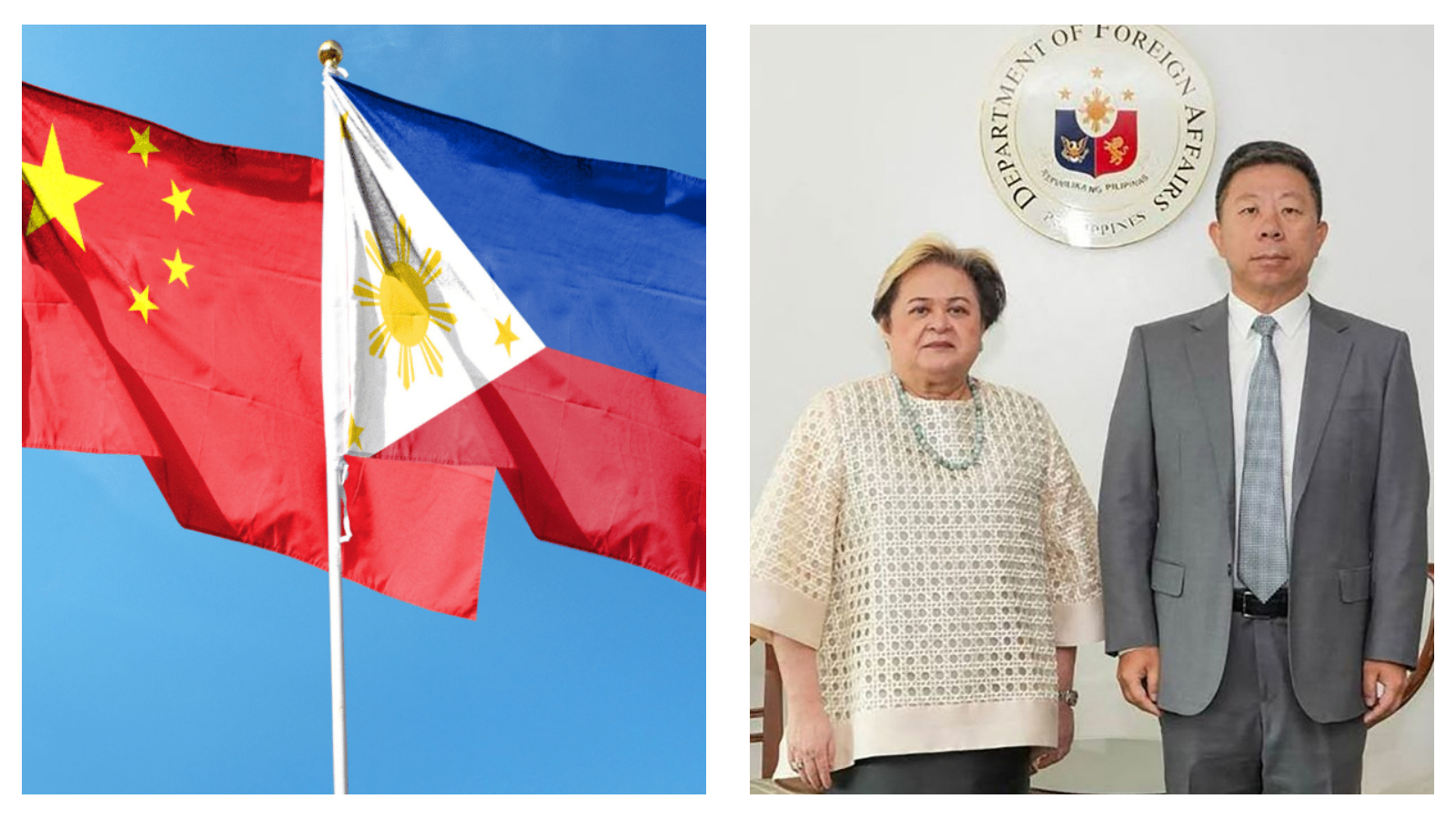
Diplomatic tensions between the Philippines and China have intensified following remarks by Chinese Ambassador Jing Quan about a possible military conflict.
The dispute has since widened, with the Chinese Embassy issuing public warnings to Philippine lawmakers and criticising local journalists.
The Philippine Department of Foreign Affairs (DFA) summoned Jing Quan on October 19 after he said China could easily win if it chose to use force.
He made the remarks on October 15 in response to criticism from Philippine Defence Secretary Gilberto Teodoro Jr.
Jing later denied threatening the Philippines, stating China had no intention of using force and called for dialogue, co-operation and peaceful management of bilateral differences.
Philippine officials, however, objected to his choice of words.
The DFA said the remarks appeared to convey a threat of force. President Ferdinand Marcos Jr. also said they sounded like a threat.
China’s Foreign Ministry and embassy rejected Manila’s interpretation. They accused some Philippine officials of taking the ambassador’s comments out of context and escalating tensions.
Embassy warnings draw lawmakers’ criticism
The dispute escalated on October 20 when the Chinese Embassy publicly addressed Philippine lawmakers calling for Jing’s recall or expulsion.
The embassy targeted Senator Risa Hontiveros and nine House members who had called for action against the envoy.
The embassy told the lawmakers: “Put on record. You are now on the list.”
However, the embassy did not explain what being on the list meant or announce specific punitive measures.
The statement nevertheless drew criticism from lawmakers who viewed it as an attempt to intimidate elected officials.
The lawmakers had argued that Jing’s remarks were inconsistent with diplomatic norms and warranted a strong response from Manila.
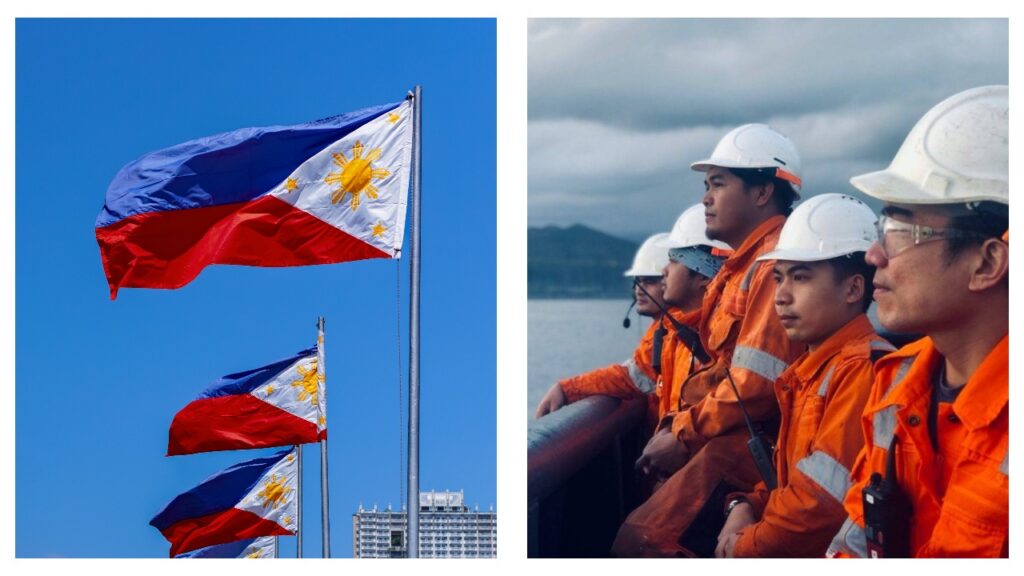
READ MORE: Philippines eyes 150,000 more seafarers by 2030
Journalists push back against embassy criticism
The dispute also reached the media sector with the Chinese Embassy criticising Filipino journalists covering the controversy, accusing some of exaggerating statements and taking them out of context.
The Defense Press Corps of the Philippines rejected the criticism.
It said journalists were reporting the ambassador’s remarks and should not be blamed for the political reaction.
The National Union of Journalists of the Philippines also criticised the embassy’s remarks against Filipino journalists.
The group defended the media’s role in reporting on disputes between the two countries.
ALSO ON NJN: British Royal Navy’s HMS Prince of Wales spearheads NATO’s Arctic deployment
Palace urges restraint as China calls for improved ties
Malacañang said that diplomatic relations with China remained intact despite the public exchanges over Ambassador Jing Quan’s remarks.
Diplomatic engagement with Beijing could continue despite the controversy.
The Palace urged caution amid the escalating war of words between Philippine officials and the Chinese envoy.
The Marcos administration stressed the importance of avoiding further escalation while keeping communication channels open.
Meanwhile, China had expressed willingness to improve ties with the Philippines despite the dispute.
Beijing reiterated its position that both countries should manage their differences through dialogue and pursue better bilateral relations.
READ NEXT: Malaysia bans civil servants from using Israel-based app Waze due to security risks
 Angelica N. Hall
 Kamille Q. Cabreza
 Geoffrey H. Latayan