
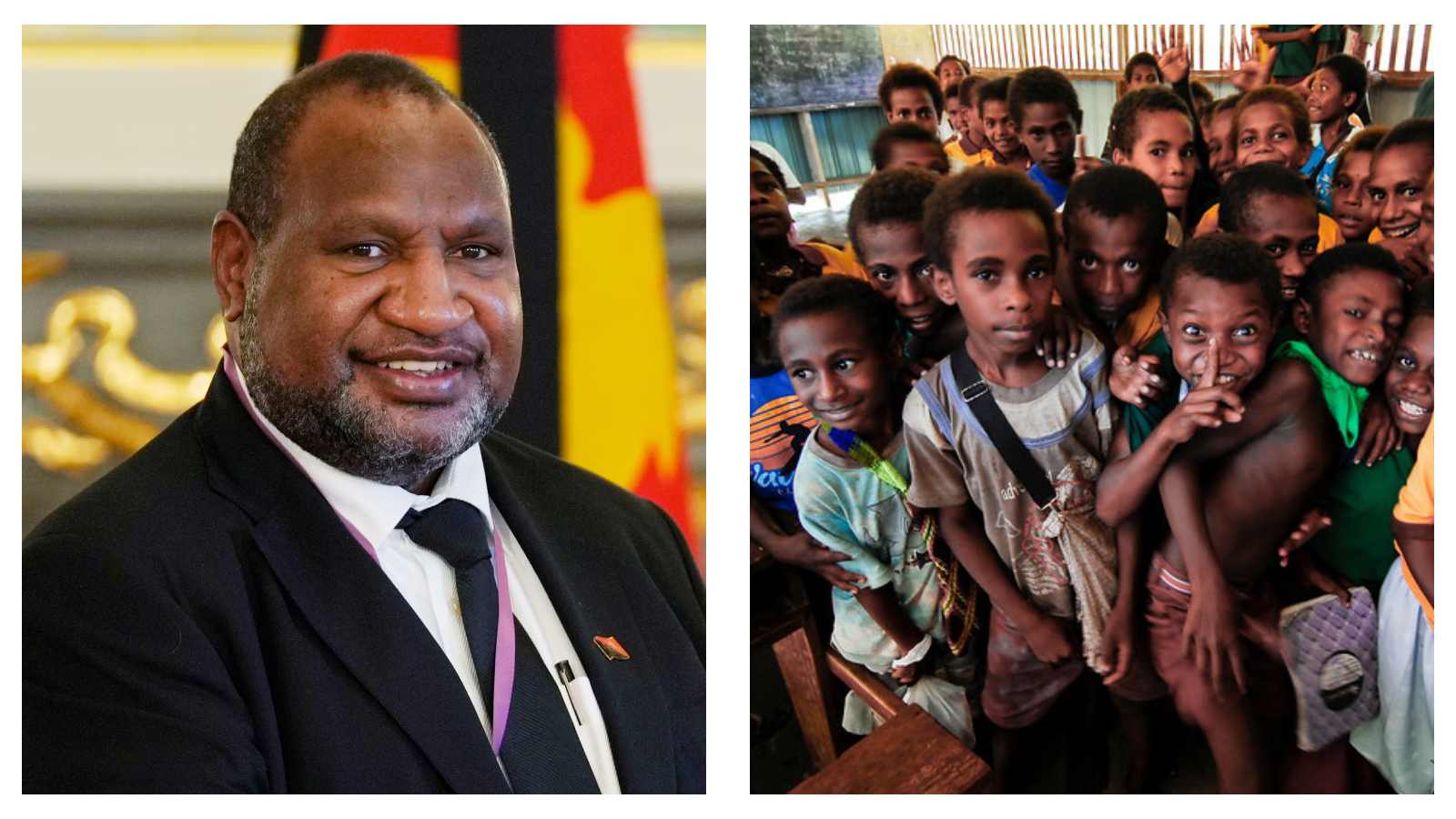
Papua New Guinea is considering a three-child family planning proposal amid efforts to address population growth and ease the financial burden on families, sparking debate.
Prime Minister James Marape said his administration plans to introduce a National Family Planning Policy that would encourage families to have no more than three children.
Although Marape did not provide further details regarding the proposal, he noted that such a move would help the government manage population growth and prevent unplanned pregnancies in the long term.
“This is to ensure that there is prevention of unplanned pregnancies and births, and families will be encouraged to have no more than children,” he said, as quoted by RNZ News.
PNG’s vows stronger healthcare response
Beyond the family planning proposal, Marape also said the government would take necessary steps to improve the country’s healthcare system, particularly for expectant mothers living in rural areas.
He expressed optimism that these measures would have a long-term “positive economic impact for families” while safeguarding the overall welfare of mothers.
The proposal comes as the National Statistics Office confirmed that the island nation’s total population had reached 10.18 million, with an annual growth rate of 2.6%.
Officials noted that the annual population increase of more than 180,000 people has placed significant strain on the country’s infrastructure, educational institutions and key health services.
Policy draws mixed reactions
Nevertheless, the proposed three-child policy received a mixed response, with several officials expressing scepticism over its effectiveness.
Paul Barker, executive director of PNG’s Institute of National Affairs, emphasised that while many women may favour limiting their family size, such decisions should be encouraged through empowerment rather than enforcement.
“One third of women would have actually preferred to have stuck to two or three children. But (they) haven’t been able to do so,” he said, as quoted by ABC News & Headlines.
Meanwhile, Marie Stopes’ PNG branch distanced itself from the proposal, stressing that the group had no involvement in Marape’s plan.
Netizens were also divided over the proposal, with some arguing that family size is a personal choice that the government should not dictate.
YOU MAY LIKE: France’s police bill draws fire as weeks of protest grind on
Marape clarifies proposal
Following the lukewarm response, Marape insisted that the three-child policy remained a proposal and had yet to become official government policy.
“Let me make it very clear that the government has not introduced or promulgated any three-child policy,” he told The Nation, adding that it was just an “idea” for national discussion.
Marape added that his administration would allow families to decide how many children they wished to have, provided they had the capability and means to support them.
He also denied rumours that the government would limit healthcare and education assistance to households with more than three children, emphasising that all children deserved equal opportunities.
However, he stressed that individuals should carefully assess their financial standing before deciding to have more children and encouraged responsible family planning.
If adopted, the proposal would place PNG among countries that have pursued family-size restrictions or population-control measures, including China, which ended its one-child policy in 2016, and Vietnam, which historically promoted a two-child norm.
However, questions remain over whether the proposal could help PNG achieve demographic and economic stability or create further challenges, including an ageing population and declining birth rates.
READ NEXT: Pixar’s latest film “Gatto” attracts copycat accusations
 Elan Castanares
 Ciara Mina