

Mattel, founded in 1945 by Harold Matson and husband and wife duo Ruth and Elliott Handler, has over the course of time developed into one of the biggest producers of toys.
Iconic brands such as Fisher-Price, UNO, Hot-Wheels and the iconic Barbie, which are part of their portfolio, have made children all over the world happy for decades.
The birth of Barbie and her path to becoming an inspiration for young girls
In 1959, Ruth, after watching her daughter play, came to the realisation that children wanted to play with more than just babies and imagine their future as young adults through dolls.
This realisation led to her creating Barbie and Ken, named after her own children, which became the company’s biggest line with over a billion dolls sold so far.
The classic, first Barbie, was a “Teen-age Fashion Model,” renowned for wearing the black-and-white zebra-striped swimsuit.
The doll has faced criticism, mainly for promoting unrealistic body standards, with one doll and its accessories sparking controversy: The “Teen Talk Barbie,” launched in 1992, came with a book on “how to lose weight.”
Barbie has come a long way since her birth in 1959.
She has had plenty of different careers, such as a presidential candidate, a doctor, a pilot, an astronaut and many, many more, teaching young girls that they can become anything they want to.
Moreover, Mattel started to create more diverse dolls with different body types and skin colours.
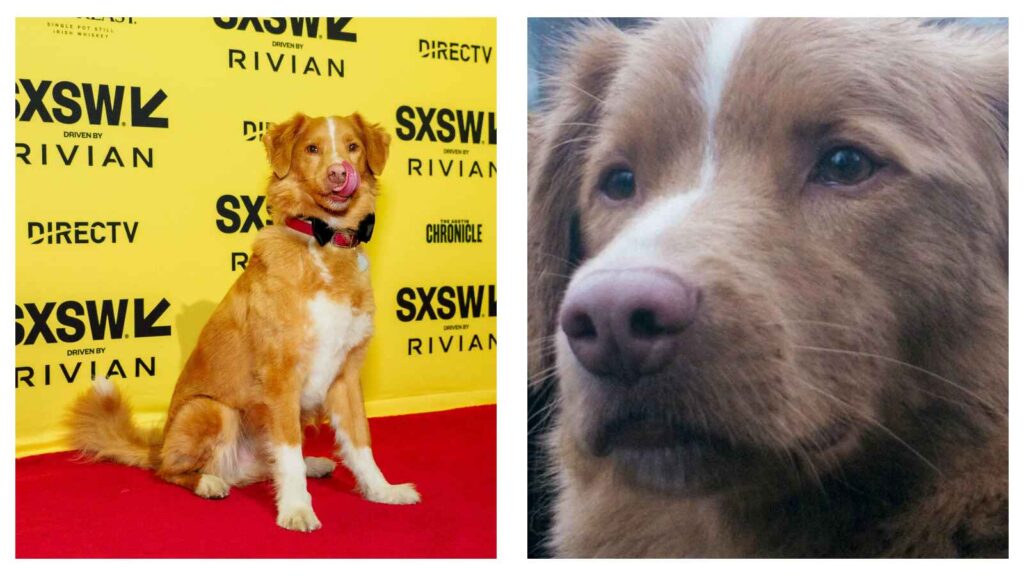
READ MORE: ‘Good Boy’ dog Indy wins Astra acting award – but not everyone’s happy about it
Barbie’s aim to become more inclusive: From the Becky Dolls to the Fashionista Line
To further implement diversity and inclusivity, Mattel launched the line of Becky Dolls in 1997.
The “Share a Smile Becky” was a friend of Barbie’s who had cerebral palsy and came with a realistic-looking wheelchair and a backpack.
The aim of this doll was to represent children with disabilities.
However, issues with its design meant it did not fit through the Barbie dream house doors or in the elevator and ended up eventually being scrapped.
Throughout the years, Mattel made an effort to produce dolls which represented people from different ethnic groups in an attempt to be more diverse.
In 2019, Barbie’s Fashionista line significantly increased their inclusivity and diversity by adding dolls with new features.
They not only added dolls with different skin colours, ethnicities, body types and hairstyles like braids, for example, but also added some with disabilities, for example, in a wheelchair, with a prosthetic leg or even with Down Syndrome.
This was Barbie’s way of demonstrating to children that it does not matter what you look like, you will be loved either way.
YOU MAY ALSO LIKE: Golden Globes spark backlash after ‘Sinners’ best original score win cut from TV broadcast

Autism awareness supported by Barbie
Mattel has now taken it a step further, including neurodivergence into their line of production.
On the 12th of January, Mattel launched its first-ever autistic Barbie.
According to the company, they worked on the doll for 18 months with the help of the non-profit organisation “Autistic Self Advocacy Network,” who aim to advocate for people with autism, their rights and a better representation in the media.
In a press release, Mattel stated that they tried to represent some of the ways that people with autism perceive and live life, which was not easy because, like many disabilities, autism presents in so many different ways and is dependent on the person who experiences it.
These traits are difficult to show “in one doll,” especially since a lot of the behaviours or challenges that autistic people face are not immediately visible and recognisable.
Noor Perez, the non-profit organisation’s community engagement manager, worked closely with Mattel on this project.
“[Like many disabilities], autism doesn’t look any one way. But we can try and show some of the ways that autism expresses itself.”
Perez stated that to represent this, the doll’s eyes are slightly shifting to the side because some autistic people tend to avoid direct eye contact with others.
Other features the doll has are, for example, articulated elbows and wrists indicative of the hand gestures some people with autism make when they are trying to process sensory information or show excitement, Mattel said.
According to Perez, there was even debate on what this Barbie should wear, as some autistic people prefer wide clothes because of sensory issues, whereas others prefer tight clothes to give them a sense of their bodies and where they are.
In 2021, it was estimated that more than 60 million people worldwide are autistic, which means that approximately 1 in 127 people has some of the many forms of autism.
In a statement, Jamie Cygielman, Mattel’s global head of dolls, said: “Barbie has always strived to reflect the world kids see and the possibilities they imagine, and we’re proud to introduce our first autistic Barbie as part of that ongoing work.”
READ NEXT: The saddest day of the year: What is Blue Monday?
 Carmela Calling
  James Mario Ajero