
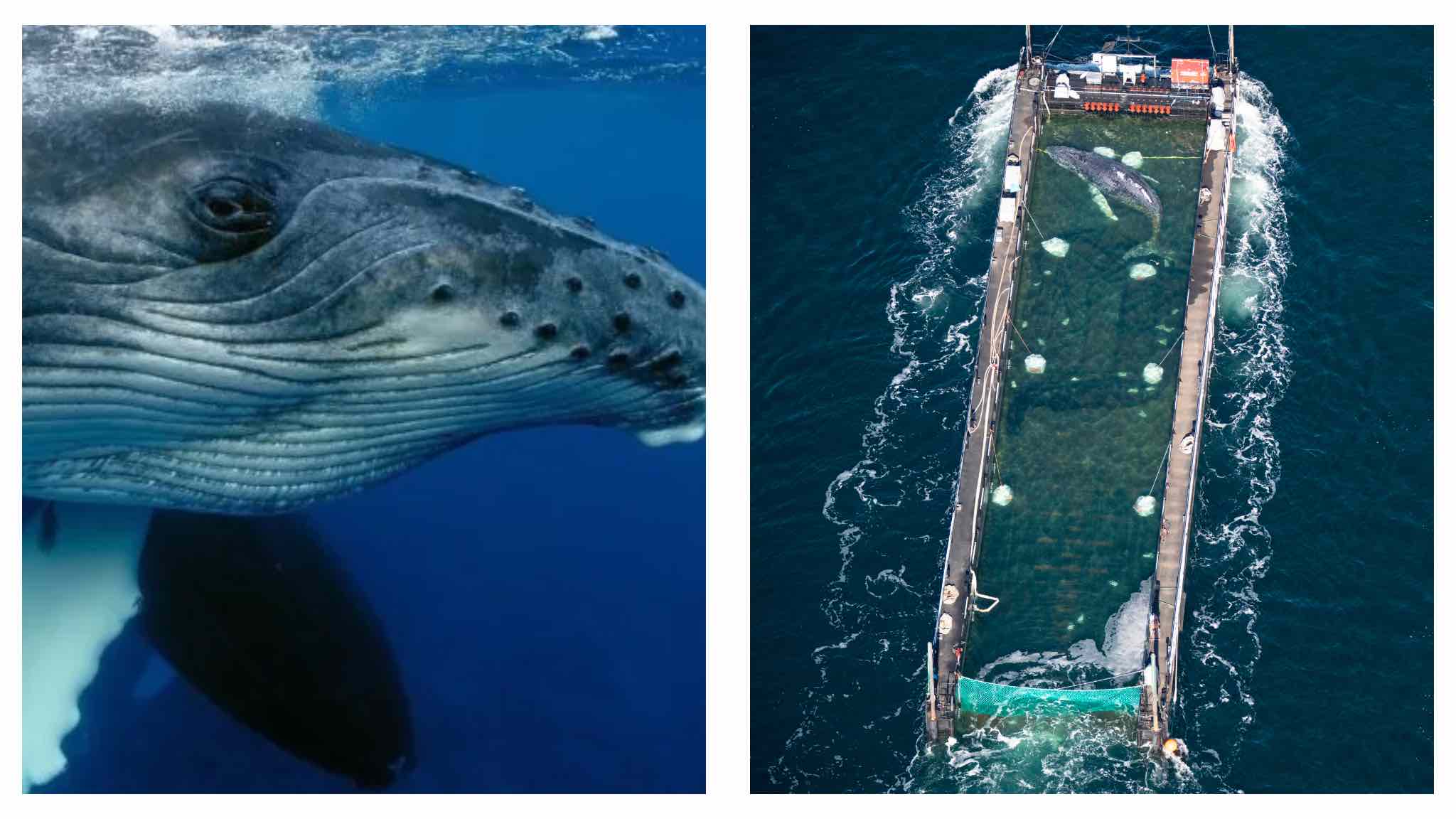
A humpback whale nicknamed ‘Timmy’ has been released into the North Sea after spending weeks stranded in Baltic waters.
The case drew global attention and sparked a fierce debate over whether such large-scale wildlife rescues should be attempted, or if they constitute an expensive failure.
Weeks stranded in the Baltic
Timmy was first sighted in early March near Germany’s Baltic coast, far from his natural Atlantic habitat.
The whale repeatedly became stuck on sandbanks and appeared increasingly weak, with visible skin damage linked to the Baltic Sea’s low salinity.
According to The Guardian, marine biologists from the German Oceanographic Museum warned early on that the animal was too compromised for a successful intervention.
YOU MAY ALSO LIKE: Sir David Attenborough ‘overwhelmed’ by 100th birthday wishes

Contentious rescue operation
Despite warnings from the International Whaling Commission (IWC) that the mission was “inadvisable,” a privately funded rescue effort was approved.
The plan involved lifting the whale onto a water-filled barge for transport. However, since the release on May 2, critics have stepped up their scrutiny.
As reported by The Guardian, experts have now labelled the US$1.76 million operation an “all-round catastrophe,” specifically citing a deficient tracking device that failed almost immediately after the whale was returned to the sea.
Uncertainty following release
While the whale initially swam away from the barge under its own power, offering a brief moment of optimism, that hope has faded.
The North State Journal reported that there have been no confirmed sightings or data transmissions from Timmy’s GPS tracker since the release.
This “media blackout” on his location, coupled with the malfunctioning equipment, has led many to fear the animal may have succumbed to his weakened state shortly after reaching deeper water.
READ MORE: Philippine Senator Bato Dela Rosa now on wanted list of ICC

Ethics of intervention
The mission has forced a reckoning within the conservation community.
An analysis by IFAW on May 12, highlighted the tension between public compassion and scientific reality.
While the rescue was a feat of engineering, IFAW notes that the whale’s long exposure to low-salinity water likely caused irreversible internal damage.
Ultimately, while the private donors and rescuers aimed to give the whale a second chance, the lack of tracking data and Timmy’s poor physical condition suggest a grim outcome.
The operation stands as a remarkable yet contentious moment in modern wildlife conservation, leaving many to wonder if the resources could have been better spent elsewhere.
READ NEXT: Hantavirus cases trigger worldwide health response
 Kamille Q. Cabreza
  Jheruleene Anne Ramos
  Wendellyn Mateo