
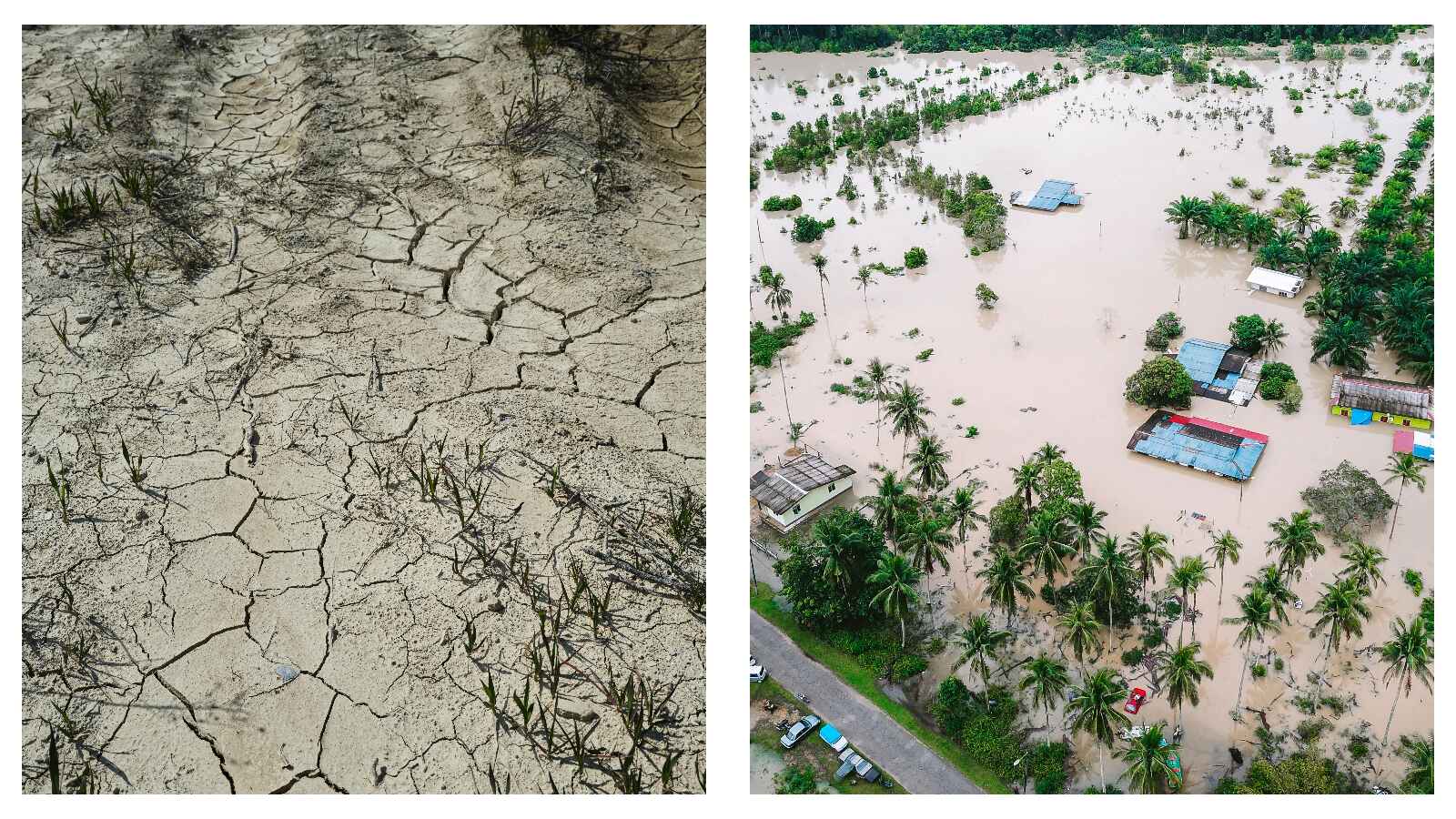
Weather organizations and climate experts have made a chorus call in telling the international community to prepare for the impact of the upcoming so-called “super” El Nino as temperatures could reach record-breaking levels, while drought and unusual torrential rain could occur differently in various territories.
“Super” El Nino now most likely to occur
The National Oceanic and Atmospheric Administration (NOAA) said on its most recent report that the temperature in the Pacific Ocean had already reached 0.5 degrees Celsius above normal, adding that such data could further increase in the coming weeks, which will ultimately indicate the beginning of El Nino season.
NOAA said that current readings have classified the phenomenon as a “weak” El Nino; but if the temperature of the vast ocean reaches 2 degrees Celsius above normal or beyond, then the situation could be categorized as a “strong” or “very strong” El Nino.
It added that the figures have also shown that the new odds of “super” El Nino to occur are now at 2 in 3, with its strength being felt across vast areas and bringing strings of unusual climate patterns over the course of several months.
Typically, the El Nino season occurs for nine to twelve months and is observed every two to seven years. Given the projected strength of the El Nino season between 2026 and 2027, experts believe that the latter year would set record-breaking temperatures that the world has not seen in at least a century.
YOU MAY ALSO LIKE: Japan climate report flags urgent risks to food security, disaster resilience
Will history repeat itself?
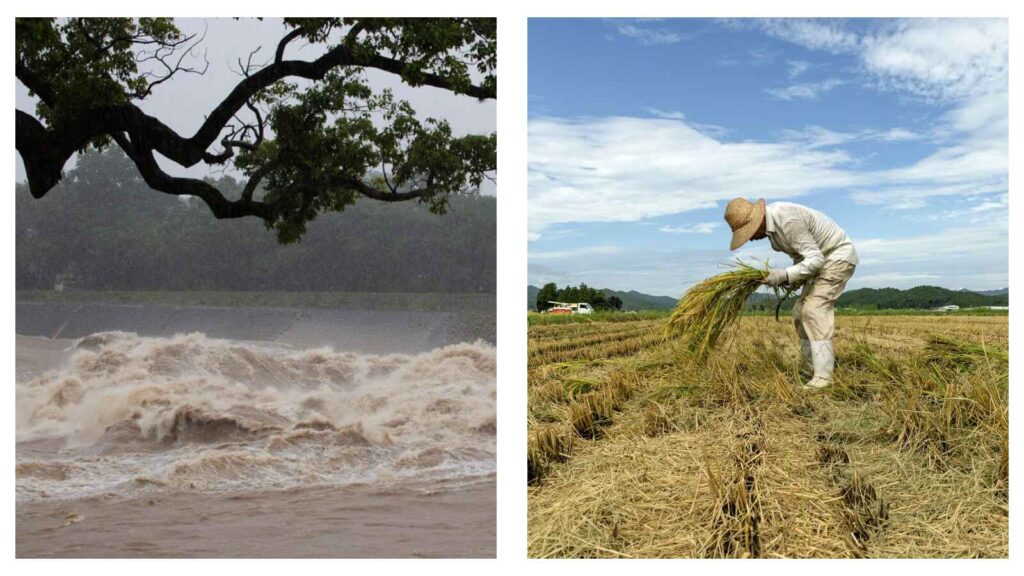
The “super” El Nino is not new to the world, as centuries-old records show that the same rare climate phenomenon occurred between 1876 and 1878, when famine, drought and heavy flooding in diverse parts of the world were simultaneously observed, which were all linked to the high temperature in the Pacific.
Historians and weather experts believe that millions perished during the last strong El Nino nearly 150 years ago, with most of the devastation occurring in Asian territories and colonies, particularly in India and China, at a time when such climate phenomena were not understood by many. Hence, preparations and information regarding El Nino were scarce and uncommon.
All-hands-on-deck against prolonged drought
Various governments and humanitarian organizations have begun preparing plans to cushion the looming impacts of the “super” El Nino, with members of the Association of the Southeast Asian Nations (ASEAN) and countries in the Latin America and Caribbean region laying down their respective responses in the coming months.
Some of the key solutions that the ASEAN region has sought include early planning, close coordination with their neighboring territories and the use of modern technologies, such as satellites and geospatial technology, in mapping out the scope of the “super” El Nino.
On the other side of the world, the Red Cross organization has tapped into its networks to conduct early preparations against the potential devastating shocks of El Nino in Latin American and Caribbean territories, especially in their farming sector and supplies of water.
READ NEXT: Singapore launches alliance to advance weather, climate capabilities
 Kamille Q. Cabreza
  Jheruleene Anne Ramos
  Wendellyn Mateo