
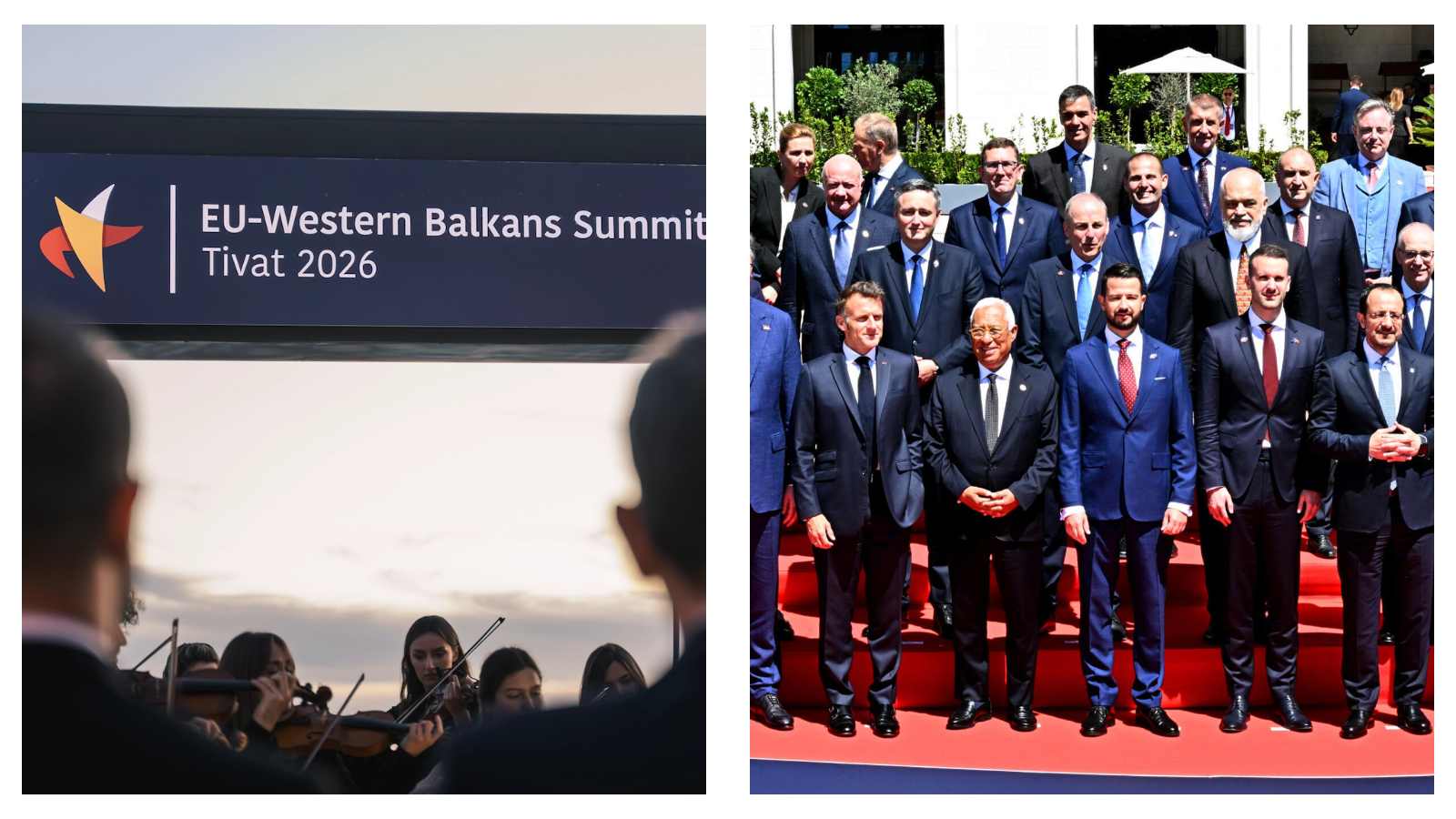
The EU could be moving towards expansion after European leaders came out in support of a speedier accession process at its annual EU-Western Balkans summit in Montenegro.
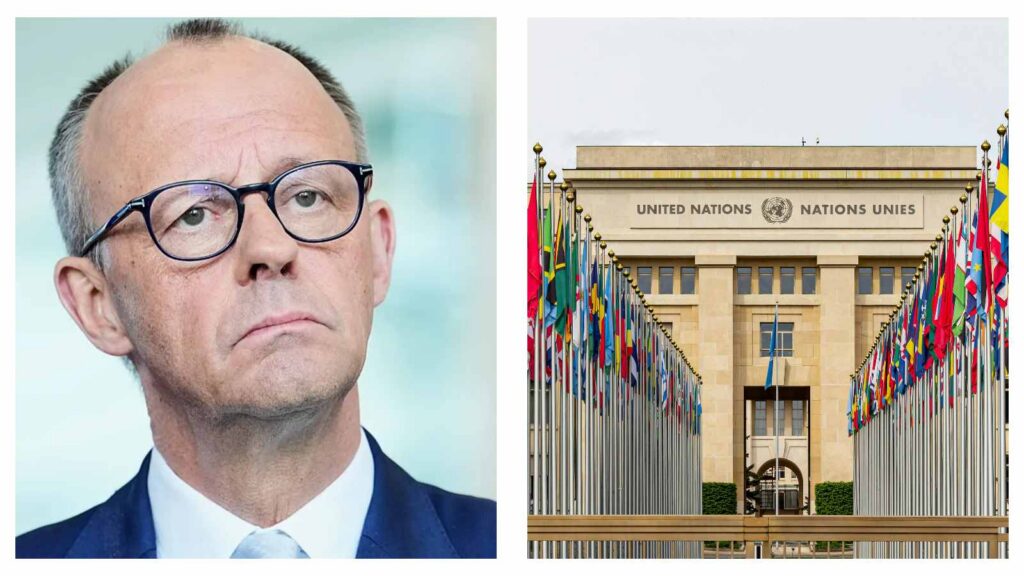
“The European Union has to show that it is capable of enlarging and willing to enlarge,” said German Chancellor Friedrich Merz during the summit, adding the EU should launch a “gradual process” to incorporate the Western Balkan states.
“The fact that we have not admitted any new members for 13 years now shows that there have also been shortcomings on the part of the European Union,” Merz added.
Merz was joined on June 5 by French president Emmanuel Macron and Italian prime minister Giorgia Meloni.
Will Montenegro be the next EU member?
European Commission president Ursula von der Leyen also attended.
Von der Leyen said she wanted “to make the enlargement process faster and more credible”.
The long and slow accession process has left many states negotiating with the EU for over a decade with little progress.
Von der Leyen described EU expansion as a “geostrategic imperative” and “a long-term investment in our peace, our stability and our security”.
“The future of the Western Balkans is in the European Union,” she added.
Montenegro is seen as the country closest to joining the bloc, with other Western Balkan nations also in the pipeline: Albania, Bosnia and Herzegovina, Kosovo, North Macedonia, and Serbia.
“Montenegro becoming the 28th member state by 2028 is within reach,” Von der Leyen said after the summit.
They would join neighbouring Croatia, the last country to join the EU back in 2013.
The Western Balkan country first submitted its application in 2003.
YOU MAY ALSO LIKE: Germany loses vote for UN Security Council seat
Which other countries could join the EU?
Talks involving Ukraine, which submitted its application in 2022 in the wake of the Russian invasion, can now progress after Hungary’s new government ended its long-time veto of Ukrainian membership.
Merz had previously called for a version of membership-lite for Ukraine.
Georgia and Moldova, who also applied after Russia’s invasion of Ukraine, are in different stages of the pipeline.
Iceland is set to hold a referendum on August 29, 2026, on whether to resume accession negotiations.
Canada, despite not having lodged an official application, is seen as another potential candidate.
Canada has sought stronger ties with the EU after US President Donald Trump slapped tariffs on Canadian goods and threatened to make its northern neighbour its 51st state.
Canadian prime minister Mark Carney last year described Canada as “the most European of non-European countries,” and even made efforts to join the European sphere, notably eyeing competing at Eurovision.
Finland’s president Alexander Stubb on June 3 announced his support for a much-enlarged EU with 40 member states.
He advocated for the inclusion of Turkey, the UK, Canada, Norway, and Iceland in addition to the EU’s current candidates.
The latest push towards expansion by EU heavyweights in Paris and Berlin may well be a turning point for the bloc as it seeks to reassert its geopolitical influence in an increasingly uncertain world.
READ NEXT: Vietnam reaffirms commitment to APEC, outlines plans for 2027 hosting
 Angelica N. Hall
  Kamille Q. Cabreza
  Geoffrey H. Latayan