
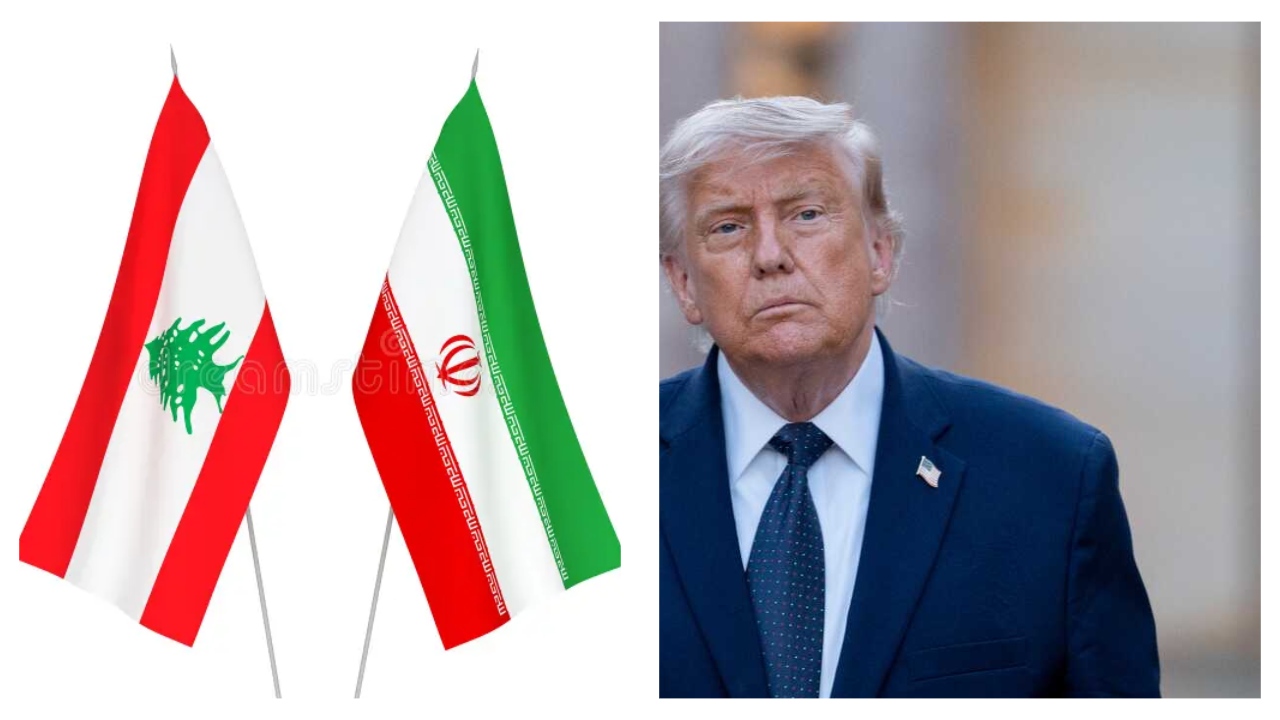
The United States and Iran agreed on Monday to set up a “de-confliction cell” with Lebanon, after the two countries’ first round of talks in Switzerland.
Lebanese President Joseph Aoun held talks with senior US and Qatari officials about consolidating the ceasefire in Lebanon, including a proposed de-confliction mechanism aimed at preventing renewed clashes between Israel and Hezbollah, according to a report by Agence France-Presse.
In the telephone call with US Vice President JD Vance, senior adviser to the US president Jared Kushner and the Qatari Prime Minister Sheikh Mohammed bin Abdulrahman, they also discussed “stopping the Israeli military escalation and steps that should be taken in this regard, including the possibility of forming a cell for this purpose.”
Co-ordination channel to prevent escalation
The “de-confliction cell” is a dedicated communication and co-ordination line between militaries to prevent misunderstandings that could lead to clashes and conflict.
Setting up the cell between the US, Israel, Iran and Lebanon military channels could reduce miscalculations that can potentially reignite hostilities, though Iran’s Foreign Minister Abbas Araghchi called it the “1st real test,” in a post on X (formerly Twitter).
Recent clashes have shown how fragile the ceasefire is, especially with Israel’s strikes in Lebanon and their clashes with Hezbollah last week, which made Iran close the Strait of Hormuz again.
Washington and Tehran notably signed a memorandum of understanding, also last week, with the two sides agreeing to “an immediate and permanent termination of military operations on all fronts, including in Lebanon.”
READ MORE: US, Iran agree to peace deal, signing set for Friday
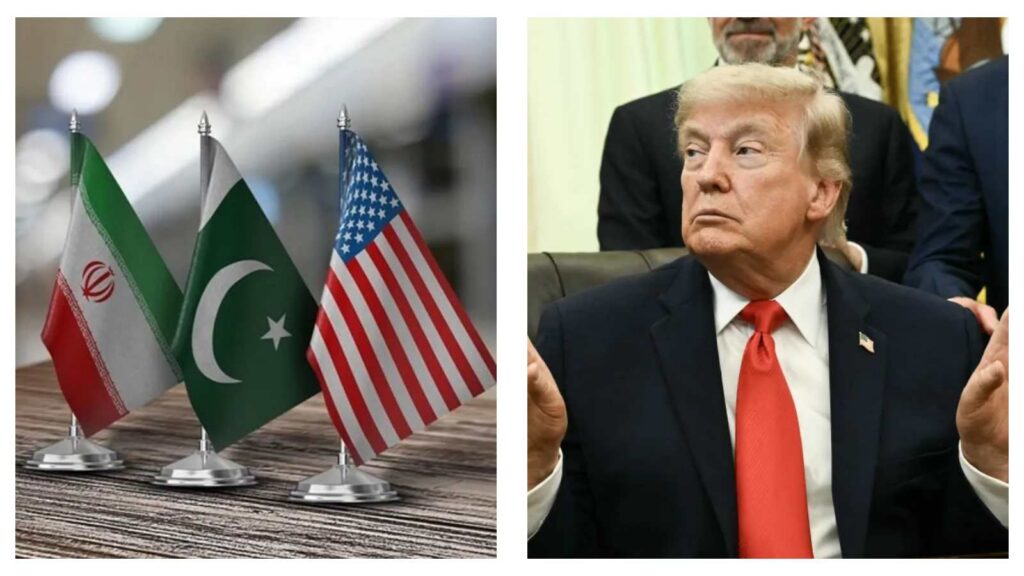
Tensions unresolved despite ceasefire
The tensions between Israel and Hezbollah, however, remain unresolved.
Hezbollah leader Naim Qassem opposed any Israeli “security zone” inside Lebanon, while Prime Minister Benjamin Netanyahu declared on Sunday that Israeli forces will stay in southern Lebanon “as long as necessary.”
Meanwhile, Israeli forces were instructed to take action against any threat they came across within Lebanon, according to Defence Minister Israel Katz.
Additionally, Israel announced that as of Monday morning, all restrictions relating to the conflict had been lifted in its northern border regions.
Lebanon, on the other hand, is calling for the removal of Israeli troops from the country.
They also seek for Lebanon-Israel relations to be separated from the US-Iran negotiations, aiming to handle bilateral issues independently after decades of hostilities.
READ MORE: Market for supertankers greatly benefitted from Iran war: report
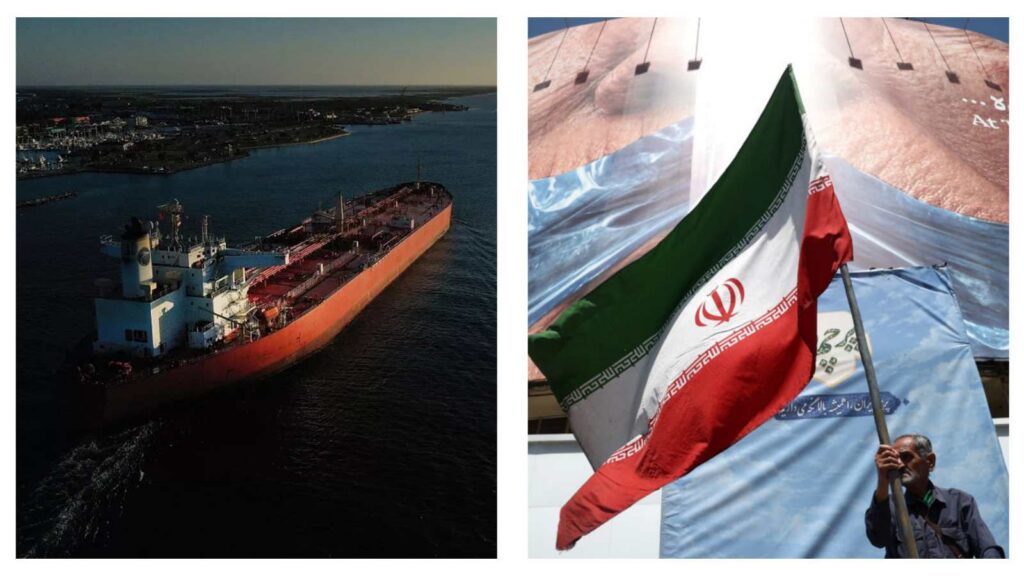
Lebanon pushes separate talks, mediators claim progress
The mediators Pakistan and Qatar also announced progress in the US-Iran deal on Monday after a lengthy negotiation in Switzerland.
“Encouraging progress has been made, including the creation of a mechanism for further technical talks,” they said, as reported by AFP.
Both sides have also entered a 60-day timeframe to reach a long-term, final deal.
“Tireless Pakistani and Qatari mediation has delivered major progress to end Lebanon War,” Abbas also wrote on X.
“Oil and petrochem exports are waived, blockade lifted, some frozen assets released and major reconstruction & development plan launched for Iran.”
READ NEXT: Film news: What we know about ‘Obsession’ director Curry Barker’s next film
 Ciara Mina
  Jheruleene Anne Ramos