
By Olivia Carolan
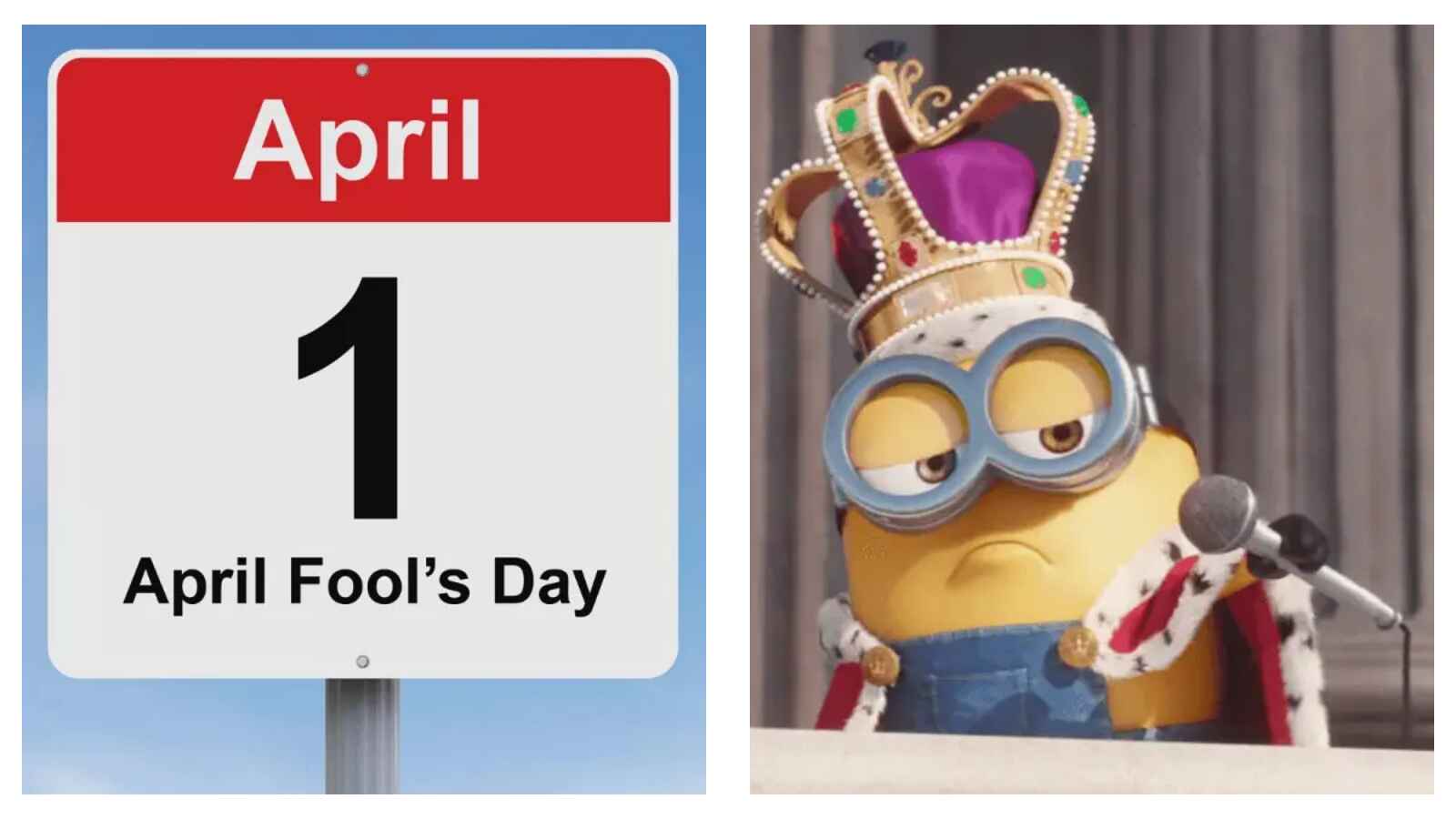
April 1 marks April Fools’ Day – a day consisting of humour, light-hearted practical jokes and pranks – but sometimes they can be well wide of the mark.
While the origin of April Fools’ Day remains uncertain, there have been theories.
Debate indicates that the day originates from 1582, when King Charles IX moved New Year’s Day from April 1 to January 1. Those who still celebrated New Year’s on April 1 were considered ‘April fools’ and were mocked.
In today’s society, April Fools’ Day has become a tradition each year where people create harmless jokes on their friends. Even brands and companies are becoming involved.
On Wednesday, April 1, 2026, Tramlines Festival also participated, revealing on Instagram that they had rebranded to Trainlines Festival. Yes, the National Rail Network.
“With Trainline on board, we’ll be making it easier than ever to get here – smoother journeys, better deals, and (hopefully) no delays,” they shared.
They changed their profile picture to “trainlines”, making a mockery of trainlines and the constant public dissatisfaction of their frequent delays, “no promises on the delays”.
Brands often take part in the day with harmless pranks on their audience. But sometimes it can go wrong. Audiences have been outraged as real announcements and fake news have become blurred.
This April Fools’ Day, let’s look back on company pranks that were actually controversial.
Radio station sued after giveaway prank
In 2005, a woman named Shannon Castillo was made to believe she had won a radio competition, with the prize being a new Hummer H2. After arriving at the USA radio station, KBDS-FM, Castillo was provided a toy car.
She described the experience as “humiliating” and had paid for childcare for her two children so she could pick up her prize. Consequently, the station was sued due to the false information, as they had described the car to have 22-inch rims.
The woman sued the station for $60,000, as the prank had ultimately violated the law and communication rules.
The Harambe Bed
In 2017, Lucid Mattresses released a carefully-crafted video based on the release of a ‘Harambe Bed’. The prank followed the killing of the gorilla Harambe in 2016, who was put down after a young child climbed into his cage.
This prank instantly caused outrage and disappointment due to the debate of the unfair killing of the gorilla. Many argued that the prank was “too soon” and too controversial for a fun April Fools prank.
The prank led to further debate surrounding animal abuse and the issues of zoos.
YOU MAY ALSO LIKE: Faith on the move: How Filipinos mark Holy Week in changing nation

Google – The Mic Drop
In 2016, Google released a new feature named the Mic Drop. This is a well-known prank curated by Google that sparked instant outrage, causing the company to apologise publicly.
They added a GIF of a minion character from the movie “Despicable Me” dropping a microphone, which appeared at the end of an email. However, unintentionally, the feature was permanent and users were unable to remove it before sending an email.
After floods of complaints, the feature was removed and people were outraged after getting in trouble at work for the lack of professionalism.
Competition for prisoners’ early release
In 2015, the Manchester Police Department tweeted that there was a competition to vote for a prisoner the public wanted to be released early. The competition offered the winning convict a free holiday and £500.
The tweet, which stated, “Know someone in prison? You can get them released early by voting for them on here. The prisoners with the most votes also win a holiday,” was later deleted.
Families of victims were appalled at the idea of police joking about the release of violent murderers.
Playboy Romania
A Romanian edition of the Playboy magazine released an article with advice on how to beat women.
The story used a fictional police officer providing step-by-step instructions on how to beat your wife.
Romania, at the time of the published article in 2000, was facing high rates of domestic violence against women.
The Romanian editor-in-chief was reprimanded and the magazine apologised, stating: “We do not condone it and will not tolerate it.”
They promised to print stories educating men against violence of women and funded shelters for women who had experienced domestic violence.
READ NEXT: Da Nang International Fireworks Festival 2026 to take place from end of May
 Carmela Calling
  James Mario Ajero