
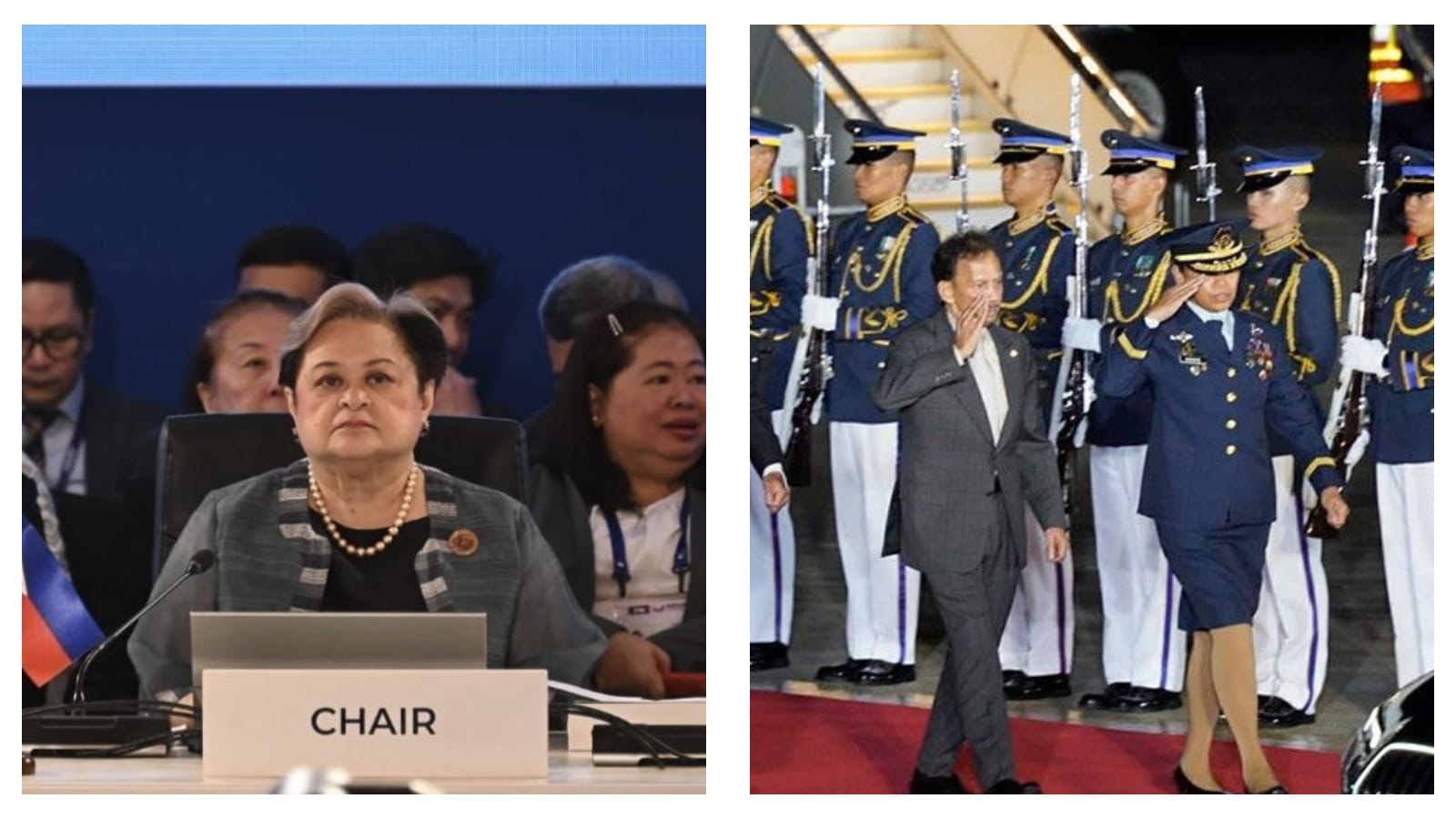
Southeast Asian leaders gathering for the 48th Association of Southeast Asian Nations (ASEAN) Summit in Cebu are expected to tackle major regional concerns.
According to reports from the state-run Philippine News Agency (PNA), Philippine President Ferdinand Marcos Jr. identified food security, stable energy supply and the protection of migrant workers as among the host country’s key priorities during the summit, which opened on May 7.
Philippine officials said the discussions reflect growing concern over global economic uncertainty and geopolitical tensions, ranging from energy security and maritime co-operation to institutional reforms within the regional bloc.
Charter amendment proposed
One of the most significant developments expected at the summit is the proposed “Cebu Protocol”, which would amend the ASEAN Charter for the first time since 2007.
The Philippine Daily Inquirer reported that the amendment aims to strengthen the organisation’s institutional framework and facilitate the full integration of Timor-Leste into the regional bloc.
Timor-Leste officially joined ASEAN as its 11th member in 2025.
SunStar Cebu also reported that the Philippines is pushing for the adoption of three major outcome documents during the summit, including the Cebu Protocol, a declaration on maritime co-operation and a regional statement on the Middle East crisis.
READ MORE: ‘No to war’: Japanese rally behind Article 9 as protests oppose constitutional changes
Energy concerns dominate talks
Regional energy security has also emerged as a central issue ahead of the summit.
Analysts said ASEAN members are increasingly concerned about supply disruptions, rising fuel prices and the need to accelerate renewable energy co-operation amid continuing geopolitical instability, according to Reuters.
“ASEAN needs to strengthen our crisis co-ordination and institutional readiness in times of crisis,” said Philippine Foreign Affairs Secretary, Ma. Theresa Lazaro.
Leaders are expected to discuss long-term strategies for energy resilience and cross-border power co-operation.
The Philippines has likewise highlighted the need for stronger co-operation in maritime security and food supply chains, issues closely tied to regional stability and economic growth.
Maritime co-operation, regional response
Another proposal under discussion is the establishment of an ASEAN Coast Guard Forum and Maritime Centre in the Philippines, aimed at enhancing co-ordination on coast guard operations and maritime safety.
Secretary Lazaro also said the summit would also address the ongoing Middle East crisis and its impact on overseas Filipino workers and regional economies.
“The ongoing crisis in the Middle East and its far-reaching repercussions … remind us that developments beyond our region can have immediate and profound effects on ASEAN,” she said.
PNA reported that member-states are expected to adopt a collective response framework to improve regional co-ordination during international emergencies.
The members of ASEAN are Brunei, Cambodia, Indonesia, Laos, Malaysia, Myanmar, the Philippines, Singapore, Thailand, Timor-Leste and Vietnam.
READ NEXT: Tourism surges in Vietnam’s Hue over holiday period
 Rosemarie Zamora
  Jacinth Banite