
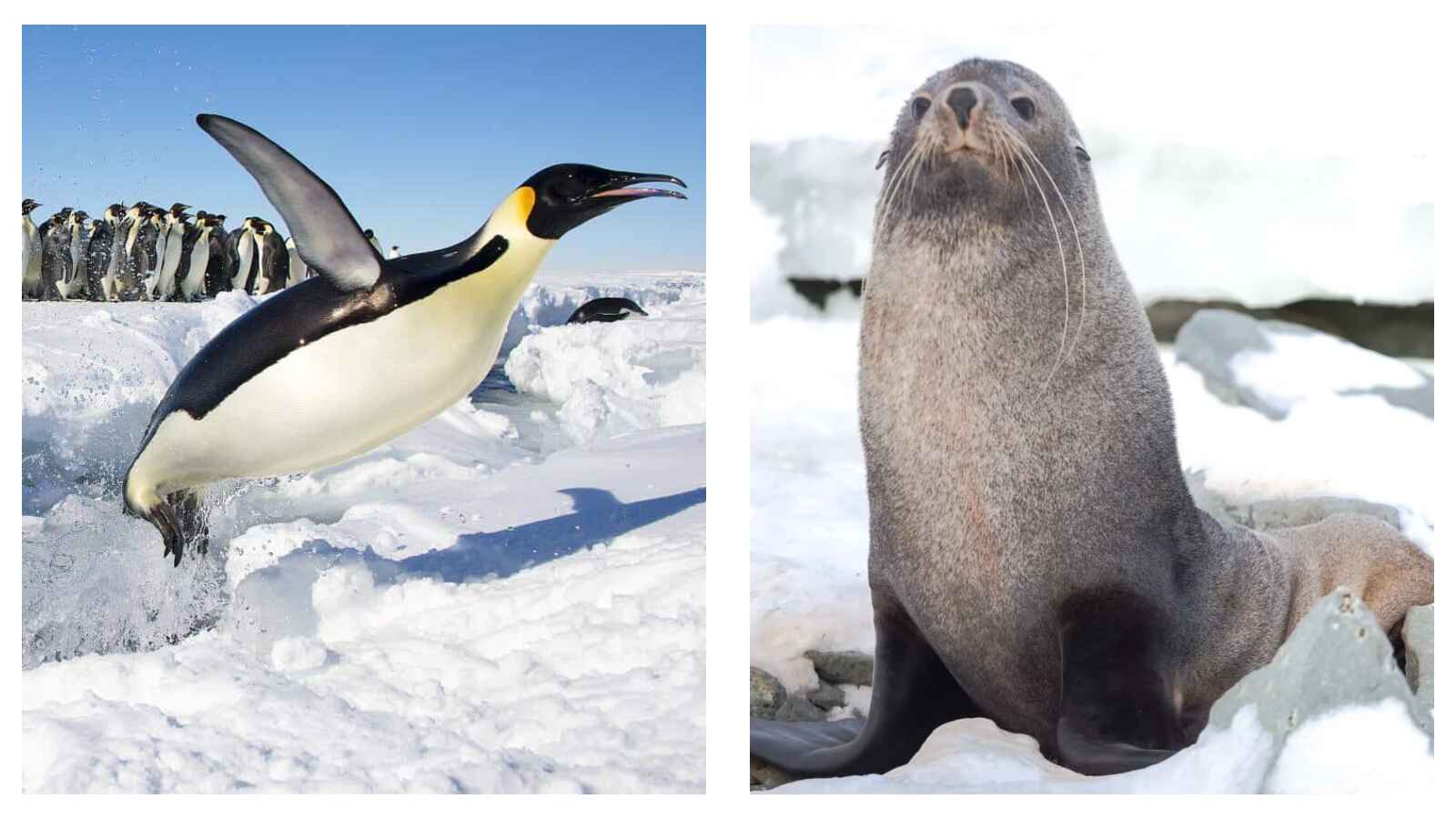
Due to climate change, the emperor penguin and the Antarctic fur seal are now classified as “endangered” by the International Union for Conservation of Nature (IUCN) Red List of Threatened Species.
Data shows decline in Emperor penguin, Antarctic fur seal population
The emperor penguin has moved from “Near Threatened” to “Endangered” after estimates showed that its population will likely be reduced to half by 2080.
Satellite data showed that more than 20,000 adult emperor penguins disappeared between 2009 and 2018, amounting to a 10% drop in their population.
“For emperor penguins, sea ice is their primary habitat,” member of the IUCN working group Philip Trathan stated, adding that emperor penguins breed on fast ice.
“As sea ice decreases, their habitat also decreases.”
“Major sea ice loss resulting from regional climate change remains an ongoing threat and will likely reduce breeding success and adult survival in the long-term.”
Meanwhile, the Antarctic fur seal was classified from “Least Concern” to “Endangered” by the red list.
Data showed that the Antarctic fur seals’ population was reduced by more than 50% from 1999 to 2025.
In the 19th century, they were hunted almost to extinction, but conservation initiatives and judicial action saved them.
However, the new classification shows that they are at risk once again.
According to Kit Kovacs, a marine mammal researcher, the decline in its population is also attributed to climate change, which resulted in the shortage of the availability of krill, the fur seals’ main food source.
Krill are descending farther and into deeper waters to reach colder areas.
“This makes the krill much less accessible to land-based krill predators,” he added.
READ ALSO: ‘Timmy’ the humpback whale’s journey ends in tragedy off Baltic Coast
IUCN calls for urgent climate action
The latest assessment from the IUCN primarily cited melting sea ice, rising ocean temperatures, and shrinking food availability as major factors to the decline in the population of the emperor penguin and the Antarctic fur seal.
The IUCN stated that these factors are primarily linked to climate change.
“The declines of the emperor penguin and Antarctic fur seal on the IUCN Red List are a wake-up call on the realities of climate change. Antarctica’s role as our planet’s ‘frozen guardian’ is irreplaceable – offering untold benefits to humans, stabilising the climate and providing refuge to unique wildlife,” IUCN Director General Dr Grethel Aguilar said.
“These important findings should spur us into action across all sectors and levels of society to decisively address climate change.”
READ NEXT: Artemis II sets record for farthest journey from Earth
 Carmela Calling
  James Mario Ajero