
By Phoebe Pang
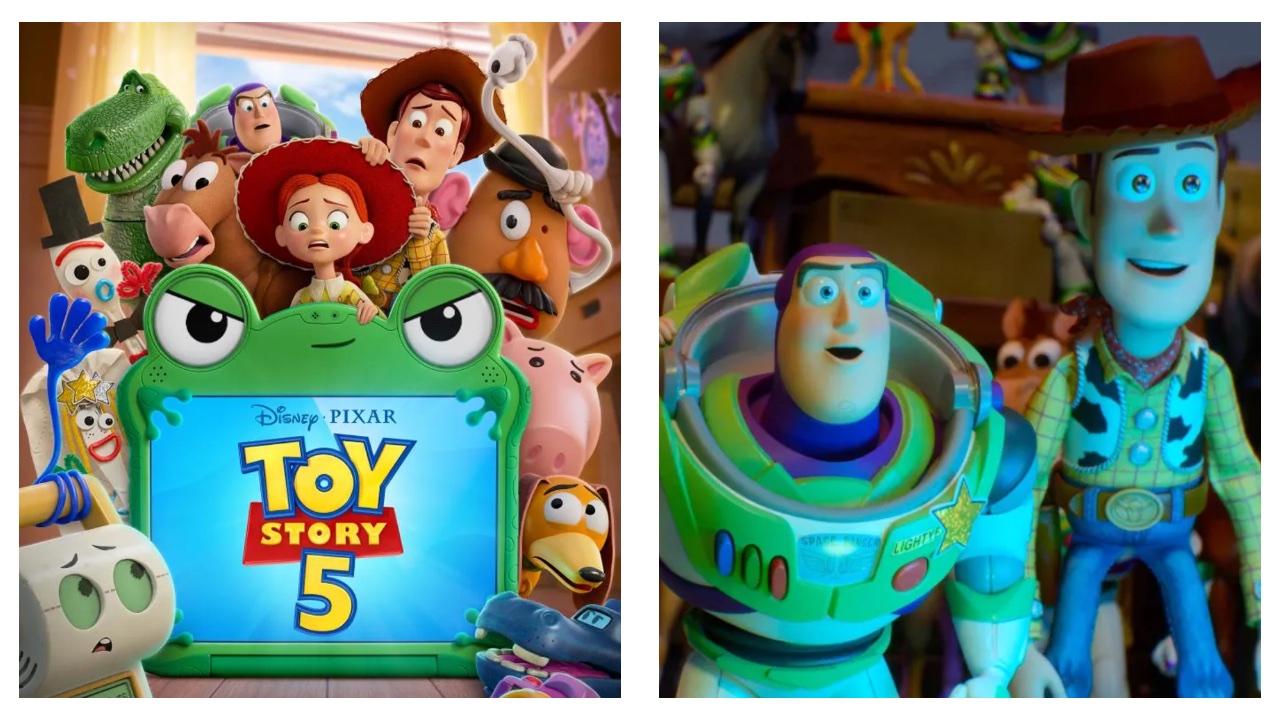
“Toy Story 5” opened with a solid $160 million domestically this past weekend, bulldozing the franchise’s previous best in 2019’s “Toy Story 4”, $120 million.
In doing so it became the second biggest opening weekend in Pixar history, only behind “Incredibles 2”.
Additionally, it brought in $152 million internationally for a $312 million overall launch.
With reviews and audience reactions holding strong, it feels well positioned to eventually cross $1 billion worldwide, assuming it maintains the momentum.
A theory that didn’t hold up
However, there’s a timely reason this film’s success is particularly worth noting.
For the last few years, “audiences are tired of sequels; they want original ideas” has been a go-to explanation for Hollywood’s box office struggles since the pandemic.
Admittedly, there is some truth to that, especially in the realm of superhero movies.
Marvel flooded the market between 2021 and 2023, but then paid for it with flops such as “Ant-Man and the Wasp: Quantumania.”
Nevertheless, “Toy Story 5” feels like a neat counterpoint.
This is a franchise that’s 31 years old and it just achieved its best opening weekend yet.
Furthermore, audiences showed up across a pretty broad mix of age groups rather than leaning only toward the people who grew up with the original.
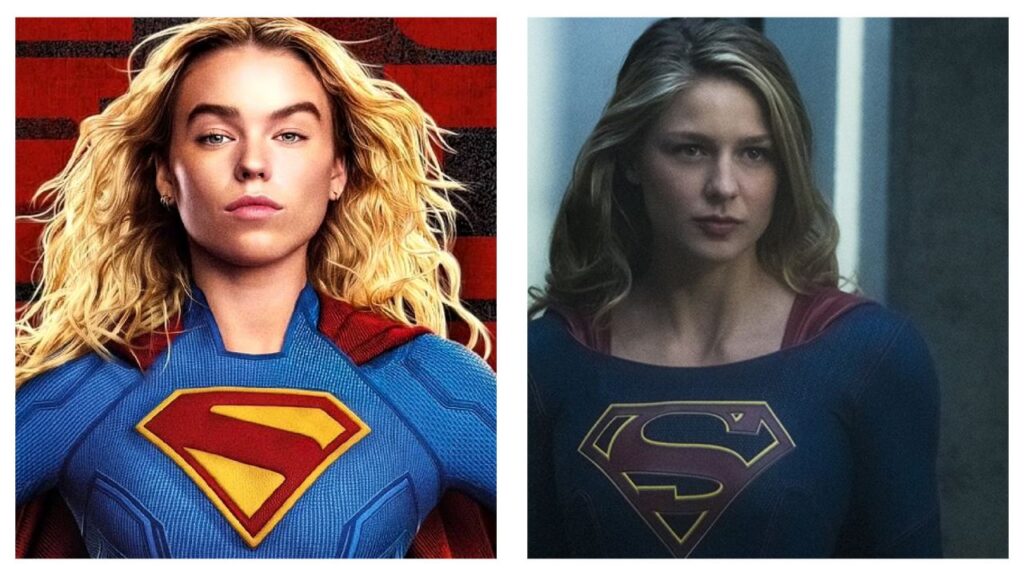
READ MORE BY PHOEBE PANG: Film news: Critics can’t agree on Supergirl – except on one thing
Why animation keeps winning
Animated franchise sequels keep cleaning up at the box office, even as other franchises run out of steam.
“Toy Story,” “Zootopia,” “Inside Out” and “Super Mario” have all proven this pattern over the past few years.
“Inside Out 2” wrapped up with $1.69 billion worldwide, while “Zootopia 2” pulled in $1.86 billion.
These figures are what a lot of live-action sequels can only admire from far away.
It likely comes down to the built-in multi-generational appeal of animation.
Parents bring their kids, and those kids grow up to bring their own kids one day, in a way superhero franchises can’t really replicate.
The demographic breakdown backs this up as well.
Roughly 44% of the opening weekend moviegoers for “Toy Story 5” were under the age of 25, which is a healthier spread than a few recent releases that have leaned pretty hard on older, nostalgia-driven crowds.
A new villain for 2026
“Toy Story 5” also has a fun story detail worth including.
The actual plot conflict is surprisingly on-the-nose for 2026.
The toys get sidelined when Bonnie receives a new tablet, and the film’s new “villain” is essentially the tablet itself, voiced by Greta Lee, who pushes its own ideas about what’s best for her.
What this means going forward
If “Toy Story 5” holds up in the same way as “Inside Out 2” and “Zootopia 2”, it indicates that Pixar’s slow and steady approach to follow-ups might be the real playbook that other studios should be copying, or at least paying attention to.
Waiting years between films, rather than chasing the next franchise reboot on a tight turnaround, could be the real lesson here.
It’s also worth noting that this isn’t a one-studio story, and Universal’s “Super Mario Galaxy Movie” has already crossed $1 billion this year.
With Disney reportedly eyeing further sequels to “Ice Age,” “Frozen” and “Coco” in the years ahead, the “sequel fatigue” narrative may need a serious rewrite, at least when it comes to animation.
READ NEXT: Music news: Taylor Swift’s single “I Knew It, I Knew You” tops the charts
 Elan Castanares
  Newsjustnews writers
  Mary Mae Balasanos