
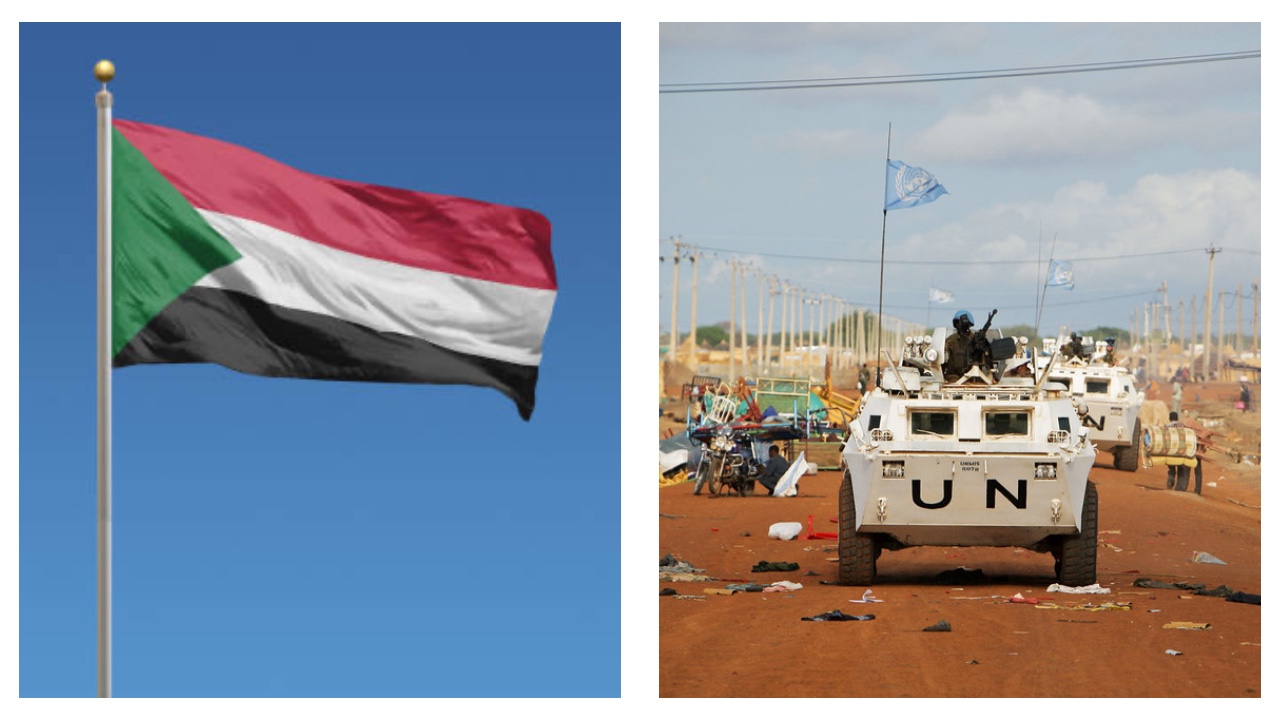
Sudan is facing a deteriorating health system brought on by funding cuts on top of the persisting violence, Médecins Sans Frontières (MSF) has warned, leaving more than 33 million people in the country with an extreme need for medical assistance.
The crisis was mainly triggered by the United States’ decision to shut down the US Agency for International Development (USAID) last year, which burdened multiple organisations operating in Sudan to secure alternative funding.
Figures from the Organisation for Economic Co-operation and Development showed a 21.3% decrease in global aid in 2025 after European governments began to scale back international assistance.
This resulted in an evident grant diminishment for many USAID-backed groups in June.
Aid cuts force longer journeys to care
“War is driving Sudan’s needs; funding cuts are shrinking the response,” said Muhammad Ibrahim, MSF’s head of charity in Sudan.
“MSF’s work in Sudan is privately funded. But when funding disappears from other health services, clinics close, patients have fewer places to go, and pressure shifts to the facilities that remain, including ours.”
Reports indicate that locals who had to travel farther to reach healthcare facilities suffered the most.
Admissions at MSF-supported facilities in central Darfur climbed 22.5% between January and April 2026 compared with the same period last year — a surge that followed the loss of funding for 45 healthcare centres in the area in May alone.
“After a longer and more expensive journey, patients often arrive in a much more serious condition, and the hospital may already be full,” said Sebastián Traficante, MSF’s emergency co-ordinator in Darfur.
READ MORE: World map is changing; Africa is getting its true size back
Camps and health workers left exposed
The harsh reality is evident at Gedaref State’s Tanedba camp, which houses 18,400 displaced people.
Pregnant women were forced to travel to the nearest city for more than two hours after the closure of maternity and surgical wards due to the withdrawal of a humanitarian group in June.
“If support does not increase, more patients will face longer journeys, fewer treatment options and greater risk of arriving too late for care,” said Liz Harding, MSF’s British humanitarian representative.
Compounding the funding crisis, attacks on healthcare continue: Sudan accounted for 82% of all global fatalities from attacks on medical facilities in 2025, with 1,620 lives taken.
With no ceasefire in sight and funding still shrinking, Sudan’s health system swiftly nears its collapse before it sees any relief.
READ NEXT: Lawmaker Ferdinand Martin Romualdez arrested in hospital after cardiovascular event
 Andre Alfonso R. Gutierrez
  Mary Mae Balasanos
  Rosemarie Zamora