
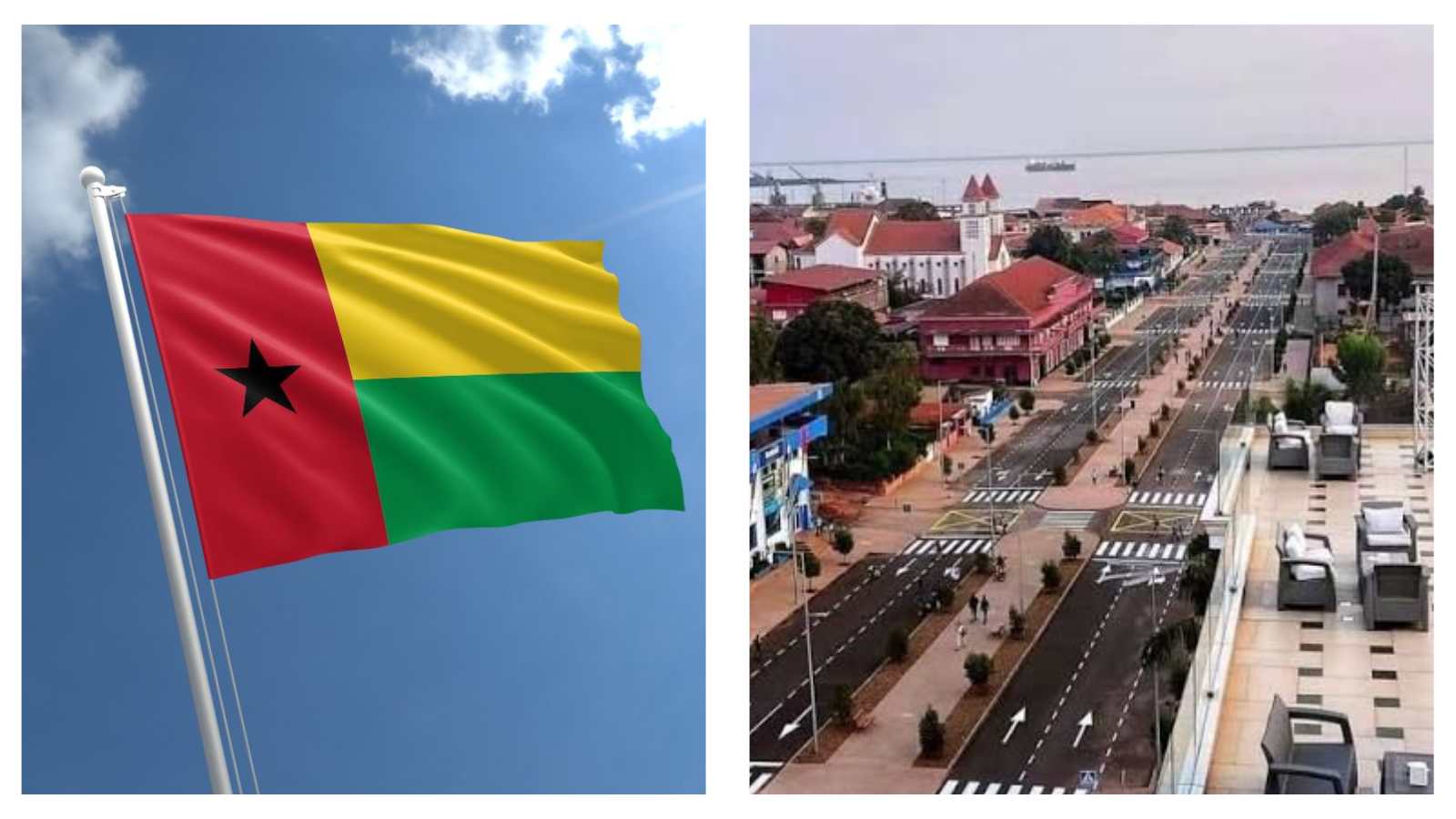
Guinea-Bissau’s president is set to gain greater powers after voters approved controversial constitutional changes in a referendum that paves the way for a new constitution.
According to the National Electoral Commission, 70 per cent of voters backed the sweeping reforms, while 30 per cent voted against them, Al Jazeera reported.
The commission also said turnout stood at nearly 60 per cent, although international news agencies reported that polling stations across the Portuguese-speaking country were largely empty.
The final result was announced after the commission said no appeals had been filed against the vote, which was held on August 30, just 10 months after the military seized power in a coup.
President to hold greater authority
The referendum, which was proposed by the military rulers, will give the president greater powers at the expense of the prime minister, who oversees day-to-day government affairs.
Under the new law, the president will be able to appoint and dismiss the prime minister and cabinet, a move that is expected to further weaken the country’s existing power-sharing system.
The president will also have the authority to establish and abolish ministries, as well as dissolve parliament under certain conditions, including in the event of a grave political crisis.
In addition, the new constitution will significantly reduce the number of parliamentary seats from 102 to 65, while the number of electoral constituencies will decrease from 29 to 12.
YOU MAY ALSO LIKE: DRC struggles to contain its worst Ebola epidemic as vaccine remains elusive

Govt hails referendum’s approval
The military government expressed optimism that the changes would help the tiny West African country achieve long-term political stability ahead of the pivotal general elections in December, which are expected to restore civilian rule.
General Horta Inta-A Na Man, head of the transitional ruling council, said the changes would ensure that the country’s next leader could serve the full mandate without political hindrance.
“What we want after this referendum is to allow whoever wins the elections to see out their mandate without hindrance,” he said.
Nelson Moreira, the second vice president of the transitional council, echoed Na Man, saying the new constitution would help the country avoid instability caused by the outgoing constitution, which was enacted in 1993.
Opposition decries referendum’s impact on democracy
Meanwhile, the leading opposition African Party for the Independence of Guinea and Cape Verde (PAIGC) sharply criticised the referendum, warning that the constitutional changes would undermine democracy.
PAIGC leader Domingos Simões Pereira urged his supporters to boycott the vote, arguing that the process lacked political and institutional safeguards and amounted to a “democratic farce.”
Activists also disputed the official turnout figures, claiming that the vast majority of eligible voters did not cast their ballots and questioning the legitimacy of the vote.
Similarly, regional analyst Paul Ejime said the referendum result did not reflect the will of the citizens, arguing that the changes could turn the president into an “emperor,” the BBC reported.
“The population is terrified because the military has been going after everyone who opposes them,” he said, adding that the military government lacked legitimacy as it had come to power through a “very strange coup.”
Calls for ECOWAS to intervene amid military takeover fears
Amid these concerns, Ejime urged the Economic Community of West African States to intervene and enforce its regulations, which prohibit member states from overhauling their constitutions within six months of an election.
The call came as opposition and civil society groups expressed fears that the referendum could be used to concentrate power in the hands of the military government and reshape the political system in its favour.
Such fears come against the backdrop of repeated military takeovers in Guinea-Bissau, which has experienced at least nine attempted and successful coups since gaining independence from Portugal in 1974.
The repeated coups have highlighted the country’s long-standing political instability and its struggle to establish lasting civilian rule.
READ NEXT: Broke it off: how Algeria-UAE relations ended up crashing
 Carmela Calling
  James Mario Ajero