
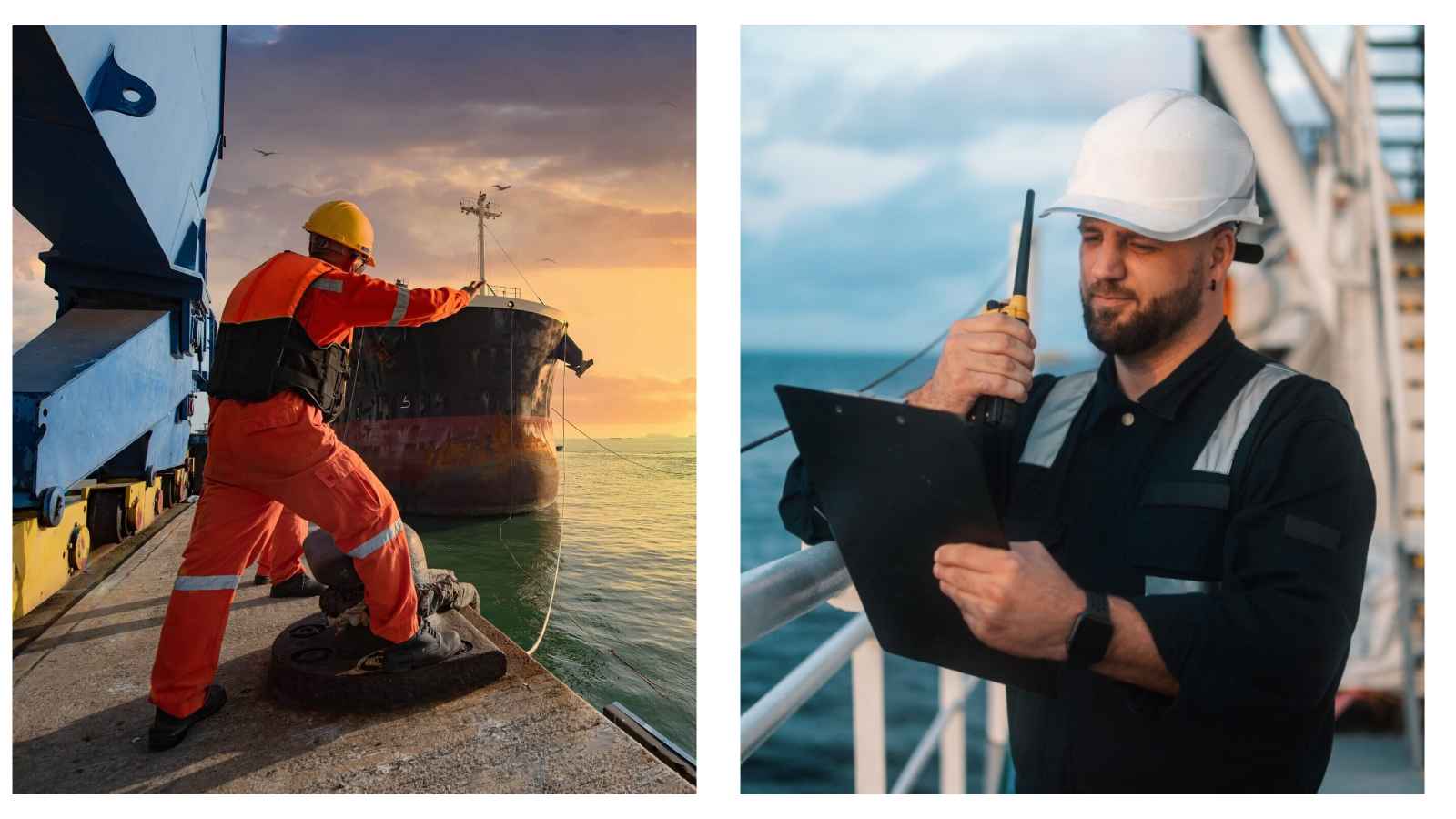
More than 80 per cent of seafarers rarely or never receive digital skills training, even as two-thirds say they are willing to learn, according to a new global report that warns the maritime industry’s workforce is falling behind the rapid adoption of digital technologies.
The report found that progress is being slowed by the absence of a shared understanding of what constitutes “digital skills”, leaving training, certification and education frameworks struggling to keep pace with technological change.
The research, “Digital skills in maritime education and training: A global deep dive into people, skills, and readiness for change”, was written by the World Maritime University (WMU) and commissioned by Lloyd’s Register Foundation through the Global Maritime Trends programme.
Technology outpaces training
The study was based on a survey of 532 seafarers from 64 countries and interviews with 110 stakeholders, as reported by Hellenic Shipping News.
It highlights an urgent need for greater investment in workforce training, updated regulations and stronger collaboration across the maritime sector to ensure crews can safely operate increasingly digital ships.
Digital technologies, which range from automated navigation systems to data-driven decision-making tools, are transforming maritime operations.
However, the report found that education and certification systems have not evolved at the same speed, leading to a widening gap between technological advances and the workforce’s ability to adapt.
Mark Warner, Global Client Marketing Director at Lloyd’s Register, highlighted this growing disparity, stressing the importance of crews understanding how such technologies work.
“…In many cases, innovation is outpacing preparedness. Technology only improves safety when people understand how systems work, trust their outputs, and know when not to rely on them.
“As digital tools become part of everyday operations, human judgement and confidence remain essential.”
YOU MAY ALSO LIKE: Norway grants new round of funding for green ships, expects GHG reduction
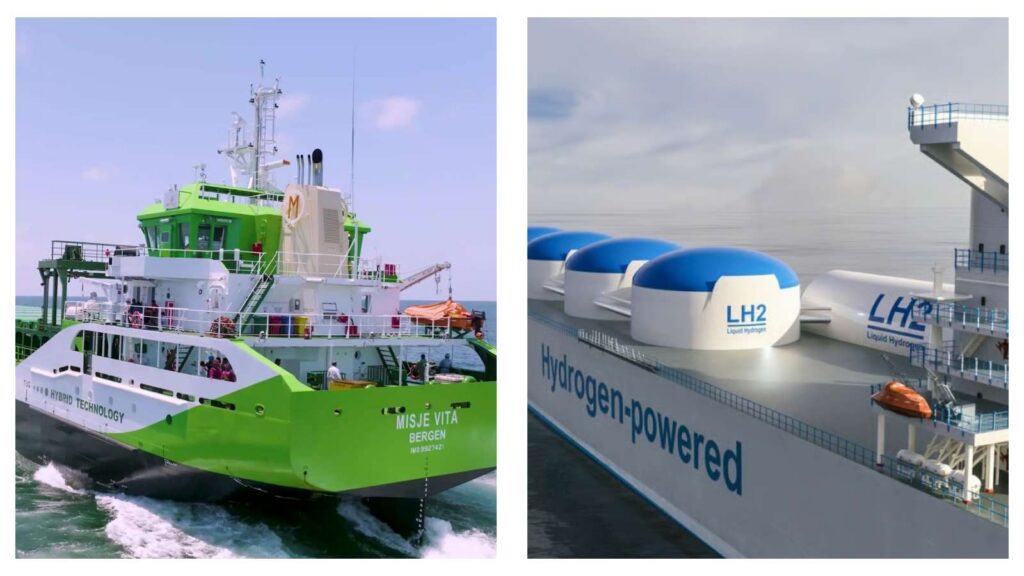
Seafarers face digital skills gap
Furthermore, seafarers reported feeling far less equipped to work with automation and data-intensive tools, despite their confidence in traditional systems.
Only 13 per cent said shore-based training consistently reflected the digital systems they encountered onboard, according to the report.
Professor Maximo Q Mejia Jr, president of the World Maritime University, said digitalisation is already transforming how ships are designed, operated and regulated.
“The question is whether the workforce is ready. Achieving the benefits of this transition depends on people having the skills and confidence to use digital tools effectively,” he added.
Investment key to safer transition
The research found that while maritime education providers are adapting to the industry’s digital transition, progress remains inconsistent due to limited funding, shortages of instructors with digital expertise, and slow regulatory reforms.
Dr Jan Przydatek, Director of Technologies at Lloyd’s Register Foundation, urged the industry to invest in people alongside technology, warning that failing to do so could create new safety challenges instead of addressing existing ones.
“Digitalisation is changing how people work and how risks are managed. If we don’t invest in people alongside technology, we risk creating new safety challenges rather than solving existing ones,” he said.
“This research shows that gaps in digital skills have real implications for safety. Closing them means making sure seafarers have the confidence and capability to operate in an increasingly digital environment.”
The report also warned that digital transformation could exacerbate global inequalities, since access to training depends mostly on available funding and resources.
READ NEXT: India deepens engagement with critically positioned Seychelles
 Ian Trinidad
  Gabrielle Wilkinson
  Adam Peaker