

Following a horrifying case of illicit egg extraction from young girls that sparked public anger and urgent calls for regulation, Nepal’s judiciary and law enforcement have stepped up their efforts to crack down on fertility facilities.
Seven individuals, including the owner of the Hope Fertility and Diagnostic Clinic in Kathmandu, are being prosecuted for allegedly tricking 16-year-old females into giving their eggs for as low as NPR10,000 (about US$72).
The accused, which includes Dr. Swasti Sharma and six associates, targeted students enrolled in higher secondary (+2) programmes, according to the Central Investigation Bureau (CIB).
“During the investigation, it was found that (a certain) Justina Pradhan played the role of a middlewoman, taking the victims to the clinic and receiving commissions in return,” the CIB said in its investigation.
Eggs for sale
Before having their eggs surgically removed, victims claimed to have received hormonal injections for eight to ten days to increase egg production.
Several girls later suffered health complications, including irregular menstruation and abdominal pain.
According to reports, eggs were kept for sale at the clinic’s facility.
Under the Children’s Act 2075 (2018), the CIB presented its conclusions to the District Government Attorney’s Office.
The report is being reviewed, and official charges are about to be filed, Chief Attorney Ramhari Kafle told local media.
The controversy triggered judicial intervention.
In response to a writ petition submitted by advocates Nirav Gyawali, Dhruva Bhandari and Akita Tripathi, the Supreme Court imposed a temporary injunction prohibiting the removal and preservation of eggs until further legal clarification.
READ ALSO: https://newsjustnews.com/nepals-plan-to-legalise-polygamy-ignites-debate/
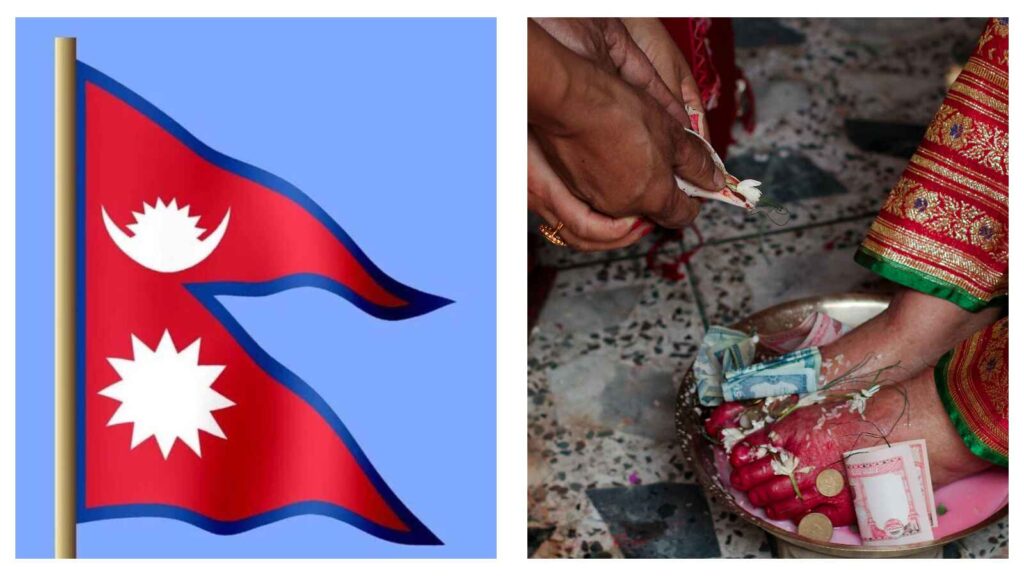
Introduction of a new fertility directive
Meanwhile, the government, the Nepal Police, the Ministry of Health and other organisations were instructed by Justice Tek Prasad Dhungana to keep an eye on fertility facilities and submit written responses.
The government has also introduced the “Infertility Management Service Operation Standards 2082 (2025)” to prevent similar cases from happening in the future.
The directive mandates thorough medical screening to rule out contagious diseases, restricts egg donation to six times with a three-month interval and only permits women between the ages of 20 and 35 to donate eggs.
It aims to protect reproductive rights and ensure accountability in infertility treatment, said the Health Ministry, emphasising that no one may be forced or financially persuaded to provide eggs.
Additionally, it requires spousal approval for married donors and informed consent, which includes counselling on the procedure’s immediate and long-term health consequences.
READ NEXT: https://newsjustnews.com/health-news-singapore-reaffirms-support-for-dementia-patients-caregivers/
 Angelica N. Hall
  Kamille Q. Cabreza
  Geoffrey H. Latayan