
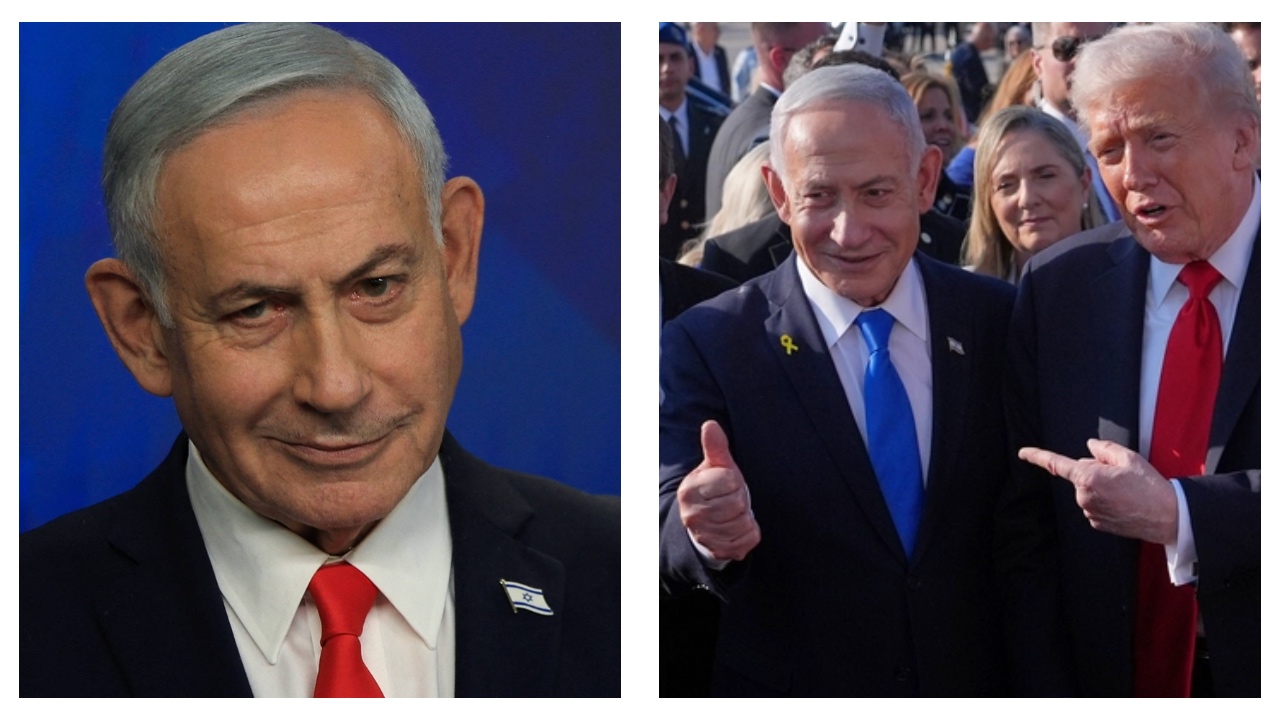
On Tuesday, October 27, Israelis will choose their new government, with incumbent Prime Minister Benjamin Netanyahu facing a real challenge while enjoying US President Donald Trump’s backing.
Tuesday’s election will see Netanyahu against a former military chief and several other contenders as Israelis decide the country’s political future.
The vote comes three years after the October 7, 2023 Hamas-led attack on Israel, which led to an ongoing war in Gaza.
What to expect during the election?
The election will put Netanyahu’s leadership to the test as he is currently facing trial on corruption charges and an ICC warrant over war crimes in Gaza.
On Tuesday, about 7.3 million Israelis will vote for parties, which will then form an alliance to create a majority coalition.
Reports said polling stations will open from 7am to 10pm. After the voting, any party that reaches the 3.25% electoral threshold would enter parliament.
Before the much-awaited election next week, let us take a look at party contenders and leaders seeking to lead the country.
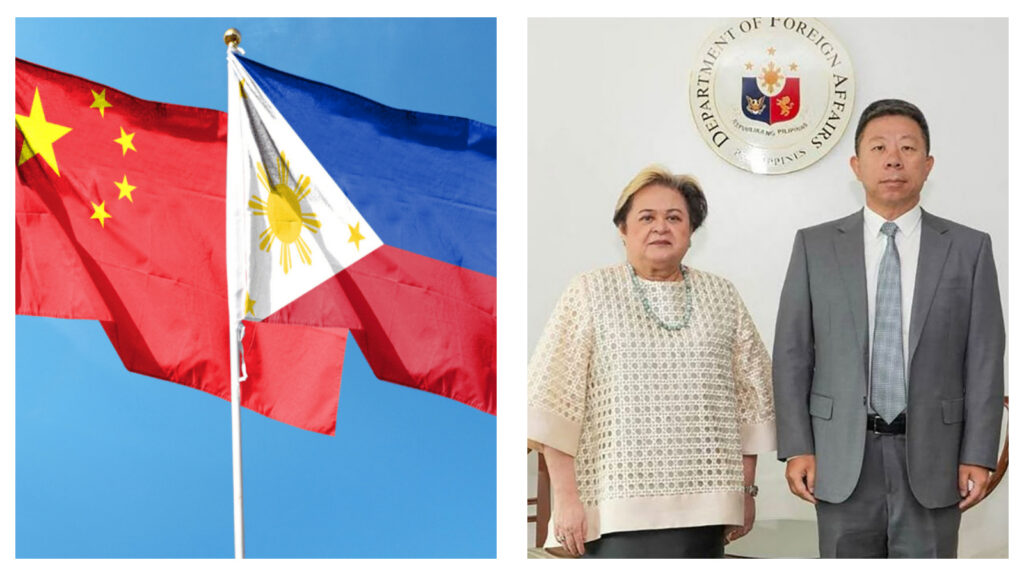
READ MORE: China-Philippines diplomatic tensions deepen over envoy’s remarks
Netanyahu and his Likud party
Seeking reelection, Netanyahu, 77, is the country’s longest-serving prime minister, having served Israel for more than 18 years across three separate tenures.
He leads the right-wing Likud party and has been in coalition with far-right and ultra-Orthodox parties.
His supporters take pride in Netanyahu’s record on security and the economy, as well as his close ties with Trump, who endorsed him for the election.
But critics blamed him and his government for the security failures during the October 7 attack.
The prime minister is currently facing corruption charges, which he has denied. In 2024, the International Criminal Court issued an arrest warrant for him over alleged war crimes in Gaza.
Gadi Eisenkot as Netanyahu’s main rival
Former Israeli military chief of staff Gadi Eisenkot is considered as Netanyahu’s main rival in next week’s election.
Eisenkot is leading Yashar!, a centrist party that advocates for equal service in the military.
The party seeks to focus on issues including the cost of living in the country, education, and an official inquiry into the October 7 attack.
Other parties in contention
Other contenders for the position are former Prime Minister Naftali Bennett, who leads Beyachad, a joint ticket with centrist politician Yair Lapid.
Meanwhile, the far-right is being led by Ben-Gvir of Otzma Yehudit.
Ben-Gvir serves as the national security minister.
His party could help Netanyahu form another government.
Other possible partners include the ultra-Orthodox parties Shas and United Torah Judaism, which seek to protect benefits and military service exemptions for their communities.
There are also Arab-led parties that could also play an important role in the election.
Arab-led parties include Ra’am, led by Mansour Abbas.
The party focuses on local concerns such as crime, jobs, and the economy.
In 2021, it became the first Arab-led party to join an Israeli governing coalition.
There is also The Joint List, which brings together other Arab political groups.
The party opposes the war in Gaza and Israel’s occupation of the West Bank.
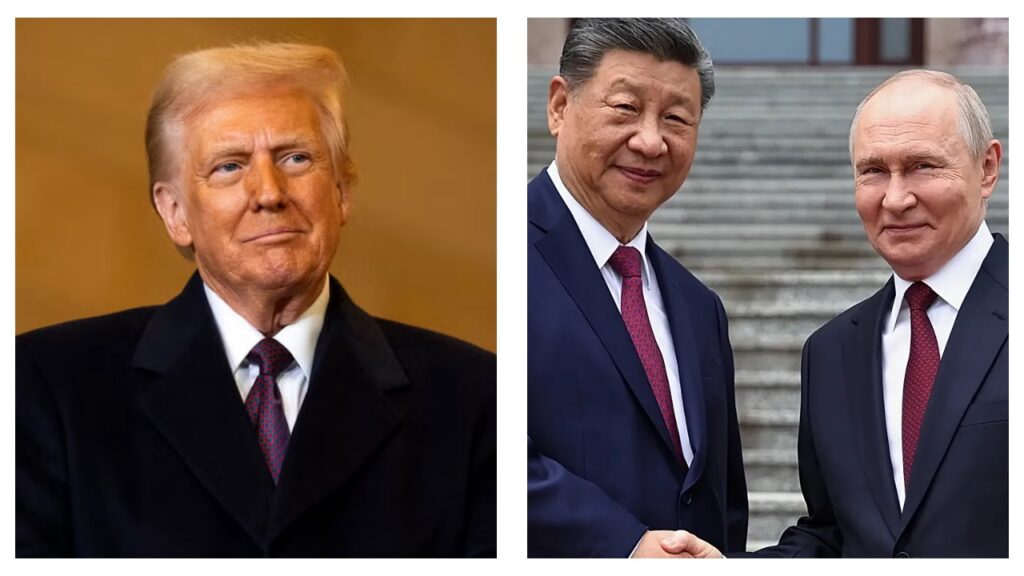
MORE INTERNATIONAL NEWS: Donald Trump welcomes potential trilateral summit with Xi and Putin in November
What to expect after the election?
As the country tries to elect a new government next week, experts believe the election will not change the country’s foreign and security policies.
They warned about the country’s possible expansion of military action against Iran and increased pressure on Palestinians in the West Bank.
Analysts said the new government will likely strengthen its security policy.
“If Netanyahu is elected, he’ll do whatever he thinks he wants to do,” said Aviv Bushinsky, a former adviser to Netanyahu.
“Expansion of the settlements will continue. The wars against Iran, Hamas, and Hezbollah will continue.”
Bushinsky stressed that what is happening in Israel right now will likely remain the situation after the election, “maybe even more aggressively.”
“As long as Iran is in such a situation, it’s a waste of time talking about Palestine.”
Israel’s political leaders have in recent days stressed the need to confront Iran, maintain military strength, and prevent threats from Hamas and Hezbollah.
Recently, Netanyahu stated that the country needs to focus on preventing threats rather than waiting to respond.
Experts also saw little hope regarding Israel’s policy toward the Palestinians.
Many Israeli political parties have expressed support for keeping the country’s control over the West Bank and oppose the creation of a Palestinian state.
Different leadership, same direction
The election on Tuesday will be a huge test of Netanyahu’s political strength and whether Israelis want a change in leadership after three years of war.
But as experts point out, the new prime minister may bring a different style of leadership, but Israel’s main goals toward Iran, military security and the Palestinians will likely remain.
READ NEXT: Philippines eyes 150,000 more seafarers by 2030
 Angelica N. Hall
 Kamille Q. Cabreza
 Geoffrey H. Latayan