
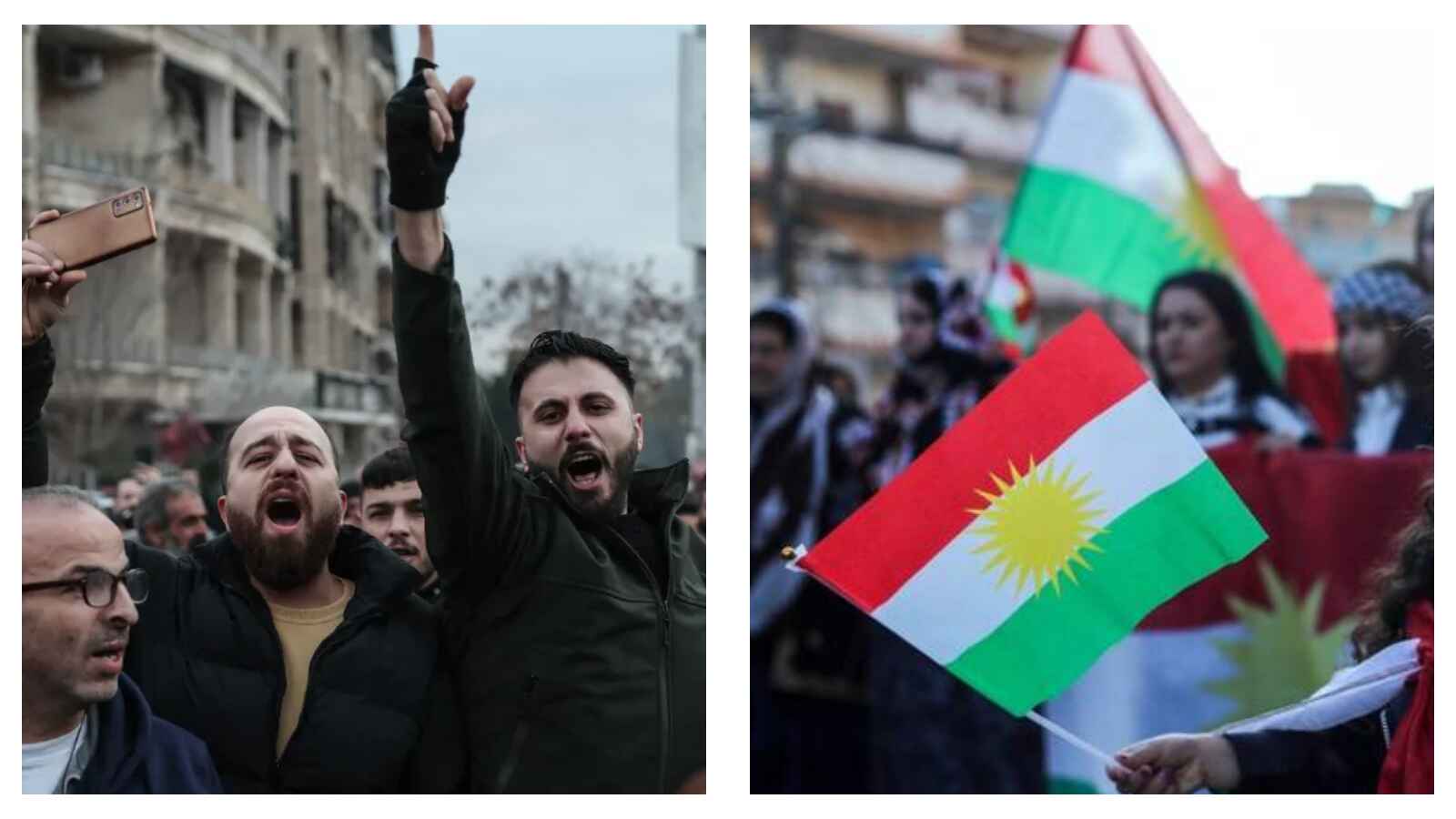
A monumental decree has been signed by Syrian President Ahmed al-Sharaa that formally recognizes the existence of the community of the Kurdish people in Syria.
It’s a notable development since the talks of the March agreement between the Syrian government and the Kurdish military to unite the once war-torn Arab nation, which was launched in 2025.
A historic gesture for the Kurdish community
The Syrian President presented Decree No. 13 that finally gives official recognition to the Kurdish culture, heritage and identity in the country, most notably making Kurdish one of Syria’s national languages.
The news was echoed by Syrian Foreign Minister and Expatriates, Assad Shaibani, who released a statement through his official X account using the Kurdish language.
He said that the administration of al-Sharaa is committed to bringing all of the people of Syria together in hurdling current and future challenges.
He pointed out that the strength of the Syrian people lies in their unity and solidarity, including the minorities in various regions.
Shaibani then emphasized how the Kurdish people are among the “genuine pillars” of the country and that the Syrian national identity has always been “inclusive and indivisible.”
Aside from culture and language, the Decree also recognizes the New Year holiday of the Kurds, Newroz, to be celebrated nationwide every March 21.
READ MORE: Journalist sentenced to 18 years in Philippines’ first terror finance case

How the Kurds lost their identity
The move to erase the Kurdish community in Syria’s history started when the country achieved its independence from France in 1946.
Then, in 1962, a decision in Hasakah Governorate led the Kurdish people to a set of discriminatory policies that stripped them of civil and political rights.
Such policies have designated millions of Kurds as stateless for decades.
Then, in 1963, the coup led by the once-powerful Ba’ath party sealed the decision to isolate the Kurdish people permanently, which went on for over half a century.
The Syrian Democratic Forces, backed by the United States, then came to defend the rights of Syrian Kurds and joined with other military pacts that rivaled the Syrian government from 2011.
For years, the Kurdish population settled in the north and northeastern regions of Syria, known to have large quantities of oil.
They seek more than just ‘temporary decrees’
The Democratic Autonomous Administration of North and South Syria (DAANES) has acknowledged the landmark decree of the Syrian government, saying that it was a first step in finally returning the Kurdish people to the diverse Syrian heritage.
However, the Kurdish administration also reiterated the need for a comprehensive constitutional framework that would secure the rights of the Kurdish community for generations to come.
It said that such “temporary decrees” will not guarantee the protection of the Kurdish identity grounded on a state-based ruling on citizenship and social justice for millions of Kurds.
Moreover, they said that a “democratic and pluralistic” constitution will be the true basis of Syria’s strong imagery of unity among differences of culture and identity within its population.
READ NEXT: High Seas Treaty brings rules to international waters
 Carmela Calling
  James Mario Ajero