
Ten provinces and centrally-run cities in Vietnam are set to launch an initiative on Wednesday to replace dilapidated houses for children of resistance fighters affected by Agent Orange.
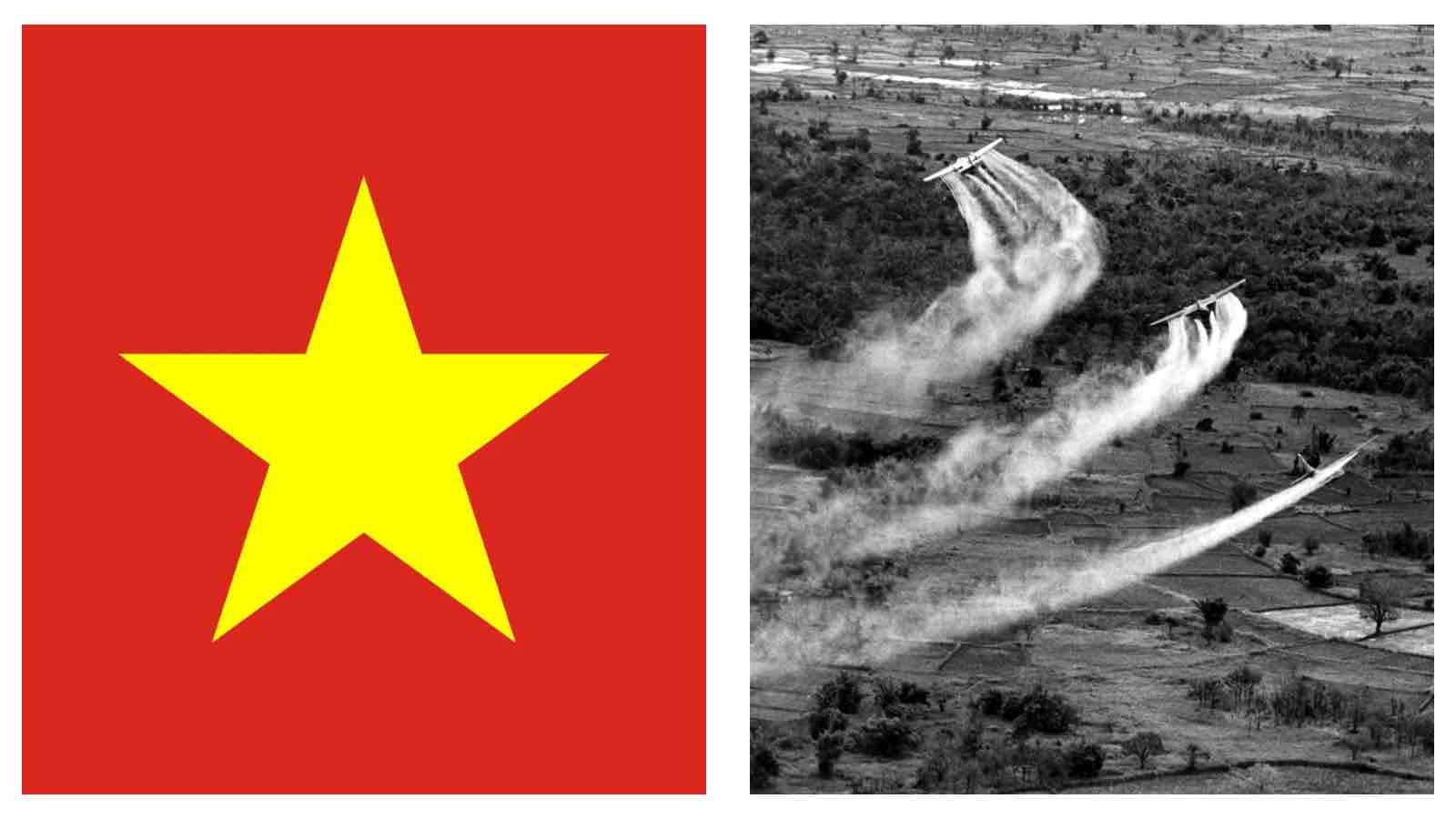
Agent Orange was a highly toxic chemical herbicide and defoliant used by the United States military during the Vietnam War, locally called the Resistance War Against America or the American War.
In an official dispatch from the Government Office, Deputy Prime Minister Pham Thi Thanh Tra praised the Ministry of National Defence and 24 localities for actively carrying out housing assistance for eligible recipients.
To date, the program has supported the construction or renovation of 1,422 homes for children of revolutionaries affected by toxic chemicals.
Of these, 410 homes have already been completed and handed over to beneficiaries, the Vietnam News Agency reported.
Honouring resistance fighters
Tra instructed the leaders of the remaining 10 provinces and cities to complete all preparations and simultaneously break ground on the housing projects on Wednesday.
The coordinated launch is intended to commemorate the 79th anniversary of War Invalids and Martyrs Day, observed on July 27.
The event was established in 1947 to honour soldiers and civilians who sacrificed their health or lives for the country’s independence.
She also directed local authorities to carefully verify beneficiaries to ensure assistance reaches the right recipients, is used appropriately and remains within approved budget allocations.
READ ALSO: France shuts down nuclear reactors as Europe heatwave continues

Additional support
In addition, local governments were urged to mobilise support from Party committees, government agencies, sociopolitical groups, the armed forces, businesses and local communities.
This was to supplement resources, speed up implementation and complete the program as early as possible.
The Ministry of Ethnic and Religious Affairs was assigned to oversee the reimbursement of funds by localities to the For the Poor Fund before July 24 to generate more resources for the initiative.
Meanwhile, the Ministry of National Defense was tasked with assessing housing support demands across localities and preparing a detailed allocation proposal for the financial assistance from the For the Poor Fund.
The Ministry of Finance was instructed to issue guidelines regarding central budget support for localities and work with the Ministry of National Defense to ensure the program is implemented effectively.
READ NEXT: Philippines to acquire five Japanese Abukuma-class destroyers
 Ciara Mina
  Rosemarie Zamora
  Jacinth Banite