
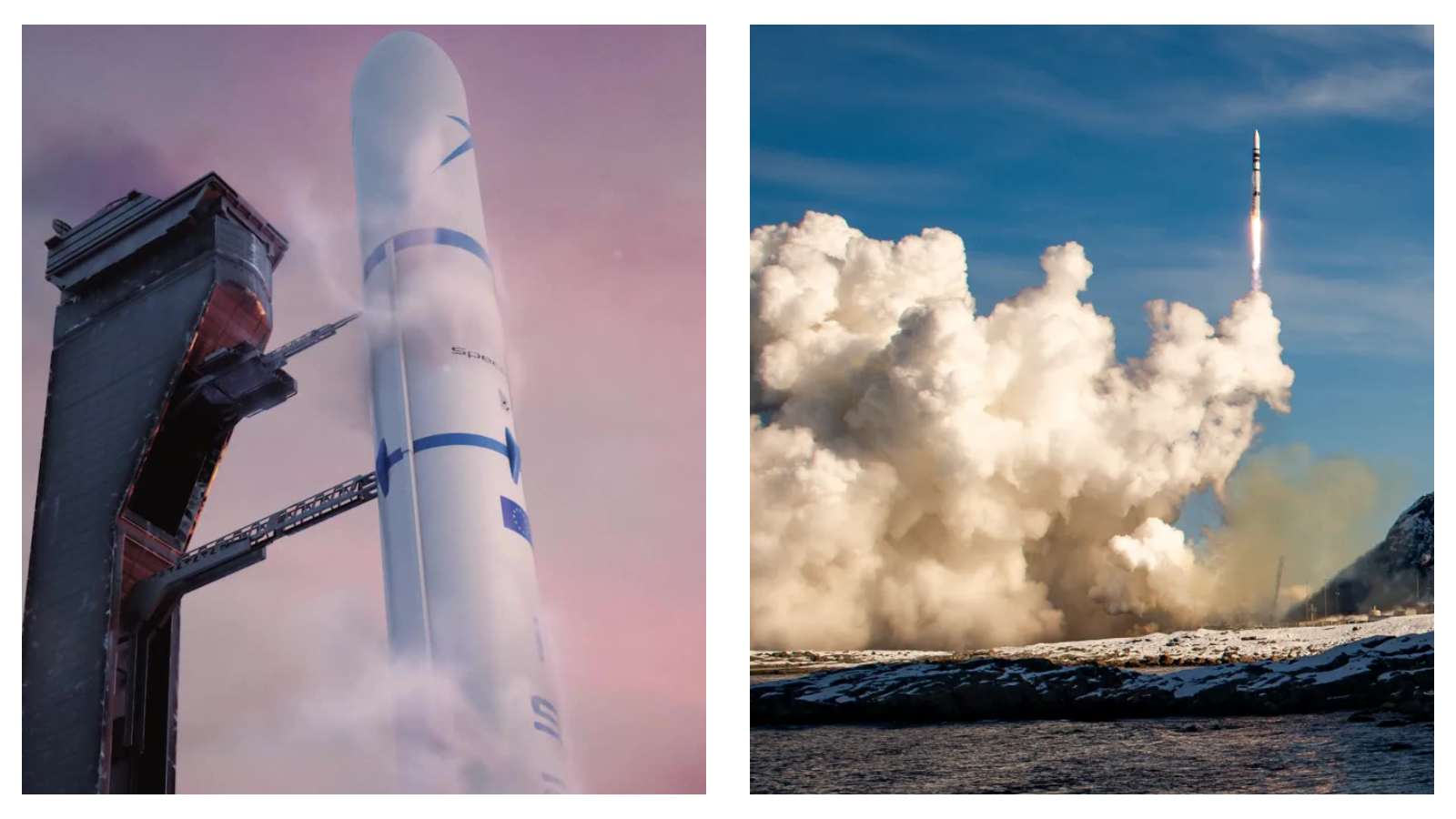
Munich-based space startup Isar Aerospace successfully launched its uncrewed Spectrum rocket into Earth orbit from the Andoya Spaceport on September 5, marking the first time a privately developed commercial rocket reached orbit from continental Europe.
Flawless ascent and payload deployment
According to Deutsche Welle, the 28-metre-long, two-stage Spectrum rocket lifted off at 20:12 UTC, climbing into orbit above the Arctic Ocean.
As detailed by the European Space Agency (ESA), the mission, titled “Onward and Upward”, served as both a vehicle qualification flight and a commercial transport mission, successfully deploying six educational and commercial CubeSats into low Earth orbit alongside an in-flight technology experiment.
The success followed a series of technical delays and an aborted initial test flight months prior, which saw a prototype plunge into the sea shortly after liftoff.
Expanding European space sovereignty
Al Jazeera reported that the milestone represents a strategic breakthrough for European nations seeking independent access to space amidst intense global competition from operators in the United States and Asia.
Isar Aerospace Chief Executive Officer Daniel Metzler praised the flight team, emphasising that the mission established sovereign launch capabilities for Europe while positioning the firm to begin clearing its commercial order backlog through 2028.
“We achieved within a few years what had taken the European space industry decades before. Europe now has sovereign access to space. “
“We have entered into a new chapter for European spaceflight. I am incredibly proud of our team, that has made this success story from Europe possible.”
“We will now focus on rapidly scaling launch vehicle production, deliver on our order pipeline, and meet surging global demand.”
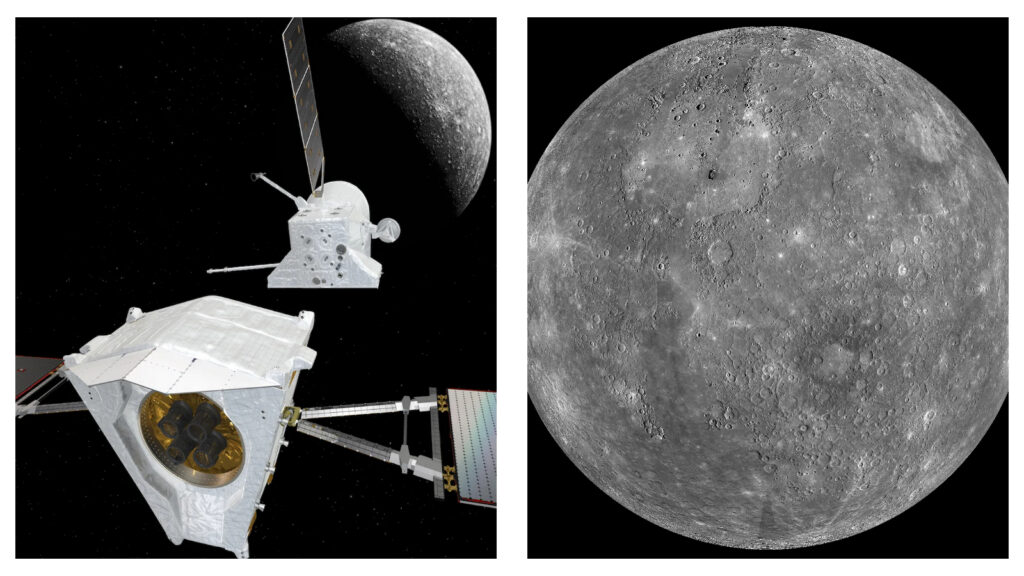
YOU MAY LIKE: Spacecraft set to reach Mercury after eight years of voyage
Backing for commercial space expansion
The achievement reinforces growing institutional support for Europe’s commercial space sector.
The European Space Agency confirmed that the mission was supported through its Boost! programme and the European Launcher Challenge, designed to foster competitive private launch services.
Deutsche Welle added that Isar Aerospace recently secured approximately EUR200 million (US$232 million) in European Space Agency funding to expand its testing infrastructure, scale series production at its Munich headquarters to a target of 40 rockets annually and construct a secondary launch facility in Canada.
READ NEXT: Donald Trump boasts ‘topline’ US Space Academy at NASA ceremony
 Hazel Camba
  Rosemarie Zamora
  Ciara Mina