
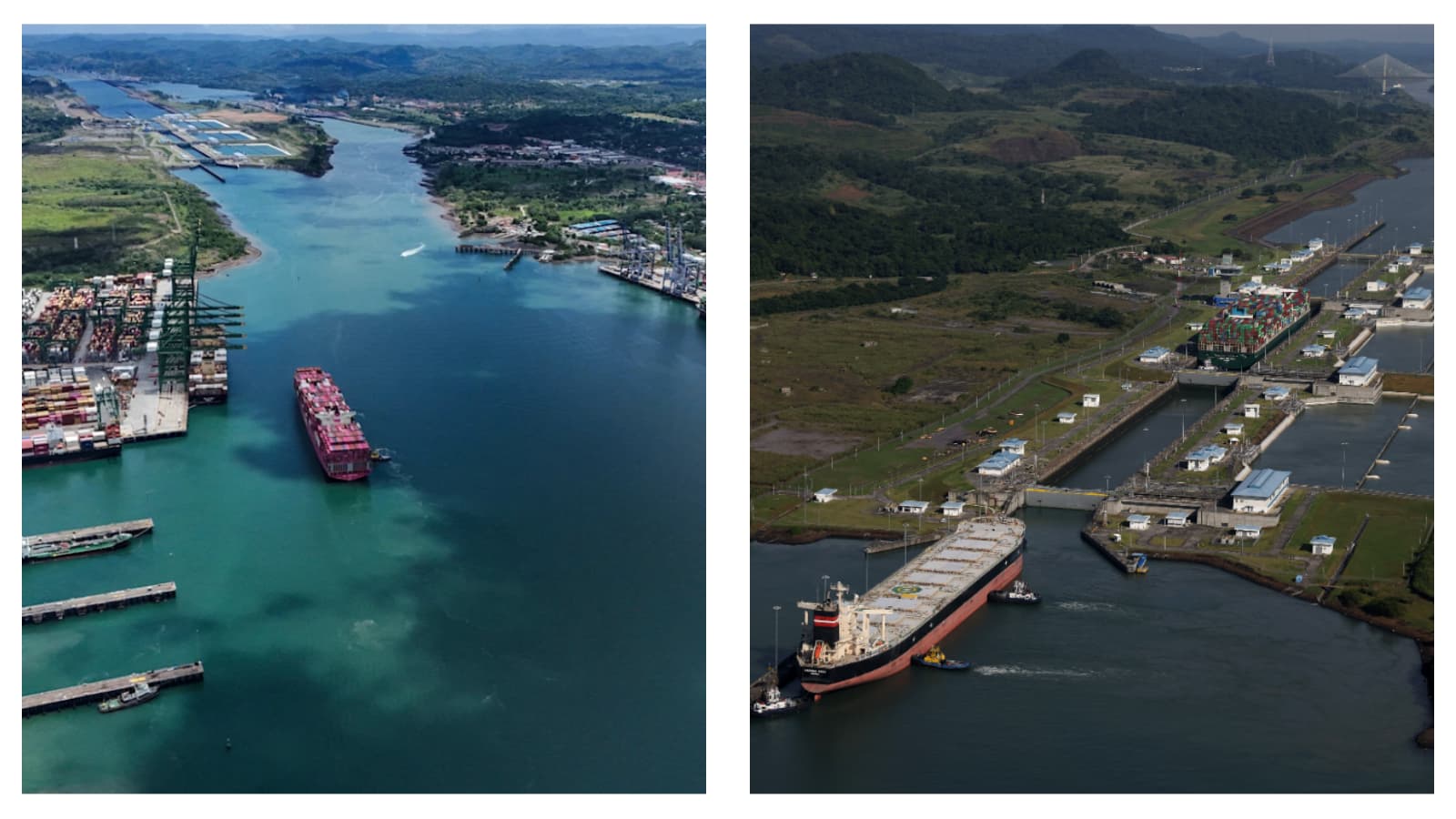
One of the world’s most vital maritime routes has just appointed its very first female administrator and among her vocal missions is pushing through the expansion projects of the Panama Canal to ensure a sustainable water supply to local communities and maintain the Canal’s operation for crossing vessels.
Navy engineer Ilya Espino de Marotta has officially sealed her accession as the first female administrator of the Panama Canal, assuring that the expansion project of the waterway will push through to bring long-term balance to the supply of drinking water for nearby communities without compromising the operation of the canal.
Before taking over the top position in the canal, Espino de Marotta was assigned by the Board of Directors of the canal to spearhead the expansion of the canal that will include a massive reservoir by the Indio River that would serve both Panamanian communities and the operation of the waterway.
The $1.5 billion project, thought to be the second-largest development in the canal, is projected to be completed between 2031 and 2032, serving at least 50% of the country’s population.
The reservoir, even at its earliest stage, will also act as a buffer against the impacts of drought brought by the El Niño phenomenon that has threatened the normal flow of maritime traffic in the Canal.
READ MORE: Experts blame war and climate change for uptick in global port congestion
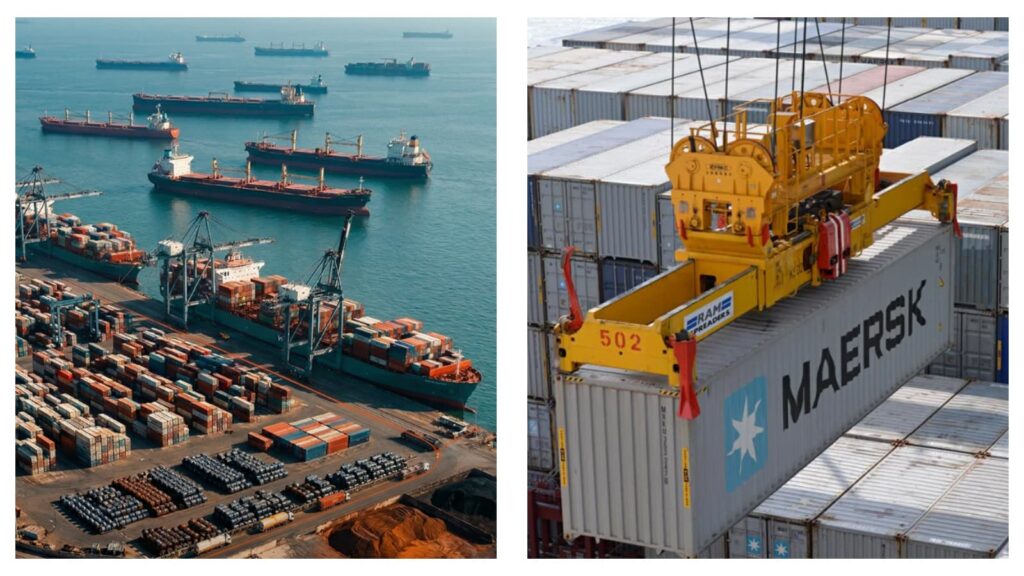
Panama Canal Treaty turns 49 years old
Apart from the landmark appointment of Espino de Marotta, the Central American nation has also commemorated the 49th anniversary of the signing of the Panama Canal Treaty that sealed the full control of the Panamanian people over one of the world’s most important maritime routes.
The treaty was signed between then United States President Jimmy Carter and Panamanian leader Omar Torrijos on September 7, 1977.
The agreement became a spectacle of years-long tug-of-war between Panama and the US over who would control the inter-ocean waterway that acts as a gateway between the Pacific and Atlantic Ocean.
Ultimately, both parties agreed that the US would act as a guardian to maintain neutrality on the canal while all of the control and revenues earned from the waterway would be raked in by the Panamanian people.
Despite decades of peace and neutrality, the Panama Canal became a center of diplomatic spat between the US and Panama after President Donald Trump claimed that US-flagged vessels had experienced unfair treatment compared to Chinese ships.
Threat of prolonged drought
Perhaps the biggest adverse threat the canal is currently facing is the threat of its water levels reaching rock bottom as the El Niño begins to form, with scientists saying the phenomenon is the strongest on record.
The Panama Canal had been experiencing a drop in its water levels, with its most disastrous yet in 2023 due to a strong El Niño that badly affected maritime traffic.
A similar scenario is also expected by the Panamanian canal authorities for the 2026-2027 El Niño, and they rolled out intense measures to continue operating the canal, albeit in a limited capacity, by allowing only 32 vessels to cross the waterway starting September 15.
READ NEXT: Panama Canal confirms new transit plan for all vessels amid low water levels
 Geoffrey H. Latayan
  Andre Alfonso R. Gutierrez
  Mary Mae Balasanos