
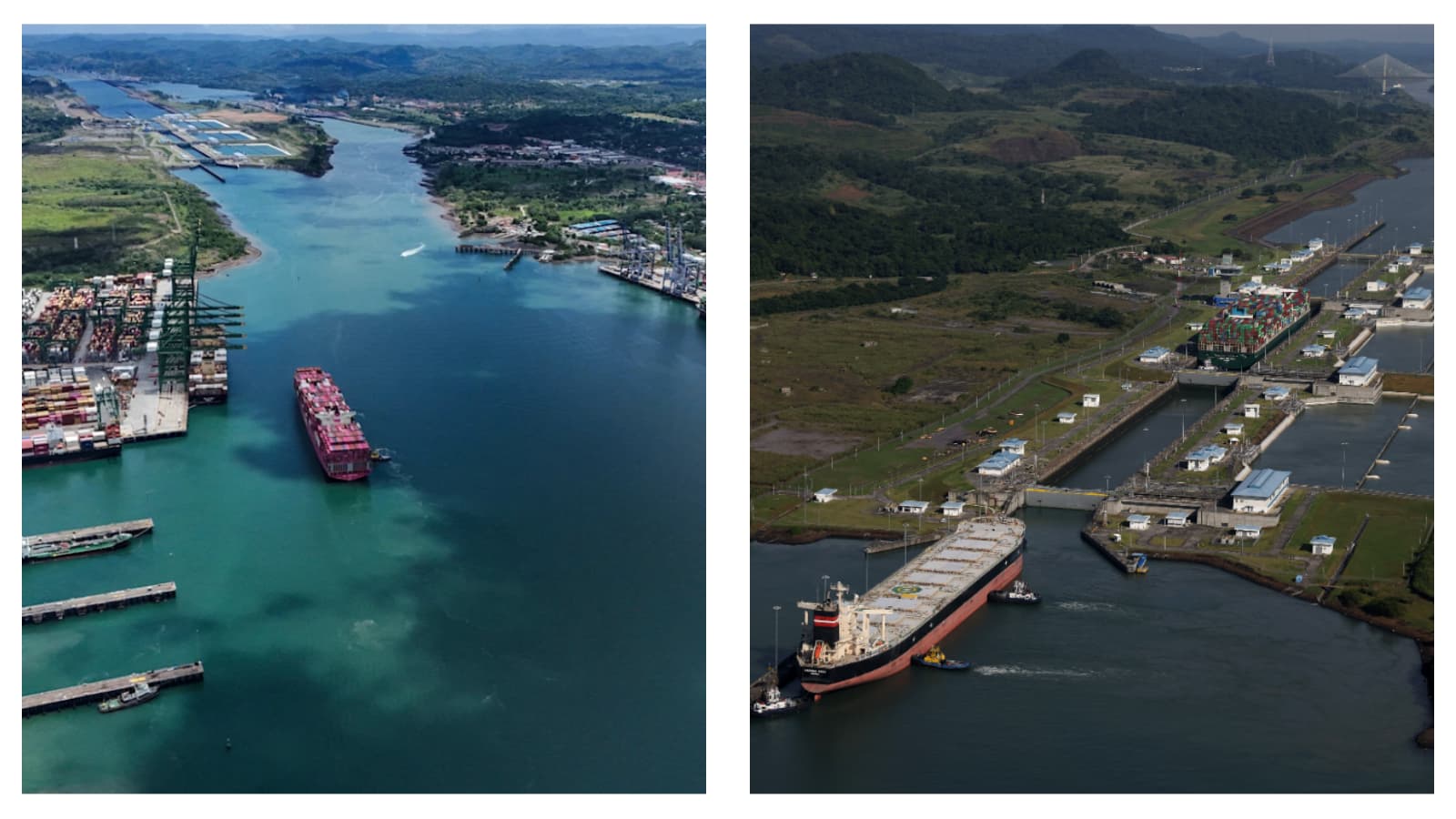
The Panama Canal Authority (ACP) has confirmed a more flexible approach to accommodating reservations in its Neopanamax booking system and acknowledged shipping companies’ calls for flexibility to ensure convenient access to one of the world’s key maritime routes amid threats of El Niño-driven drought.
According to the latest advisory from the canal’s authority, as many as 63 reservation slots will be deployed weekly, with full containerships benefitting from five slots per booking date.
Ships carrying liquefied petroleum gas (LPG) and liquefied natural gas are entitled to three slots per week and the remaining will be given to other smaller sea vessels, including Ro-Ro, bulkers and transportation boats.
The decision includes providing long-term slot allocation and NetZero programmes, and it is effective starting on August 30 for booking dates beyond September 13.
Moreover, the ACP has also emphasised that reserved slots can be swapped or substituted with other vessels, provided that they have the same or greater Transit TEU Allowance (TTA).
TTA is used to evaluate which slots would be appropriate for Neopanamax container ships to traverse the waterway.
Record-breaking transit fee
A tanker carrying LPG supplies grabbed the attention of international headlines after its South Korean owner paid a hefty $5.3 million to the authorities of the canal to avoid what could have been a painstaking 11-day wait before getting to transit.
The ship was then given the go-ahead to cross the waterway by September 1 and head for the Houston Ship Channel.
Such a transaction, which was already the second in August alone, topped the previous record, which was only $4.6m.
Payments for transit slots have become increasingly competitive as shipowners clamour to secure swift passage for their vessels already delayed by disruptions in other vital maritime routes, particularly in the embattled Strait of Hormuz.
READ MORE: Iceland voters opt for independence by rejecting EU accession talks

El Nino threat
The adjustments, albeit minor, were seen as a last-minute decision by the ACP after hearing the feedback of its customers and realigning the canal’s conditions to use its fast-depleting water levels as efficiently as possible against the impact of El Niño.
As El Niño slowly becomes a reality, authorities of the canal said that the allowed number of vessels traversing the waterway will be just 34 starting on September 4.
That is then set to be cut down to 32 by September 15 as water levels continue to drop.
However, they warned that adjustments to the number of allowed ships using the Panama Canal will continue if the water level continues to decrease.
The risks of the canal drying up would directly hit the shipping industry and subsequently place a burden on the global market, with experts projecting an uptick in freight rates as ship owners search for alternative routes, which are sometimes longer and require more fuel to use.
YOU MAY ALSO LIKE: Carlos Alcaraz, Jannik Sinner absences highlight growing tennis injury crisis
 Ciara Mina
  Rosemarie Zamora
  Jacinth Banite