
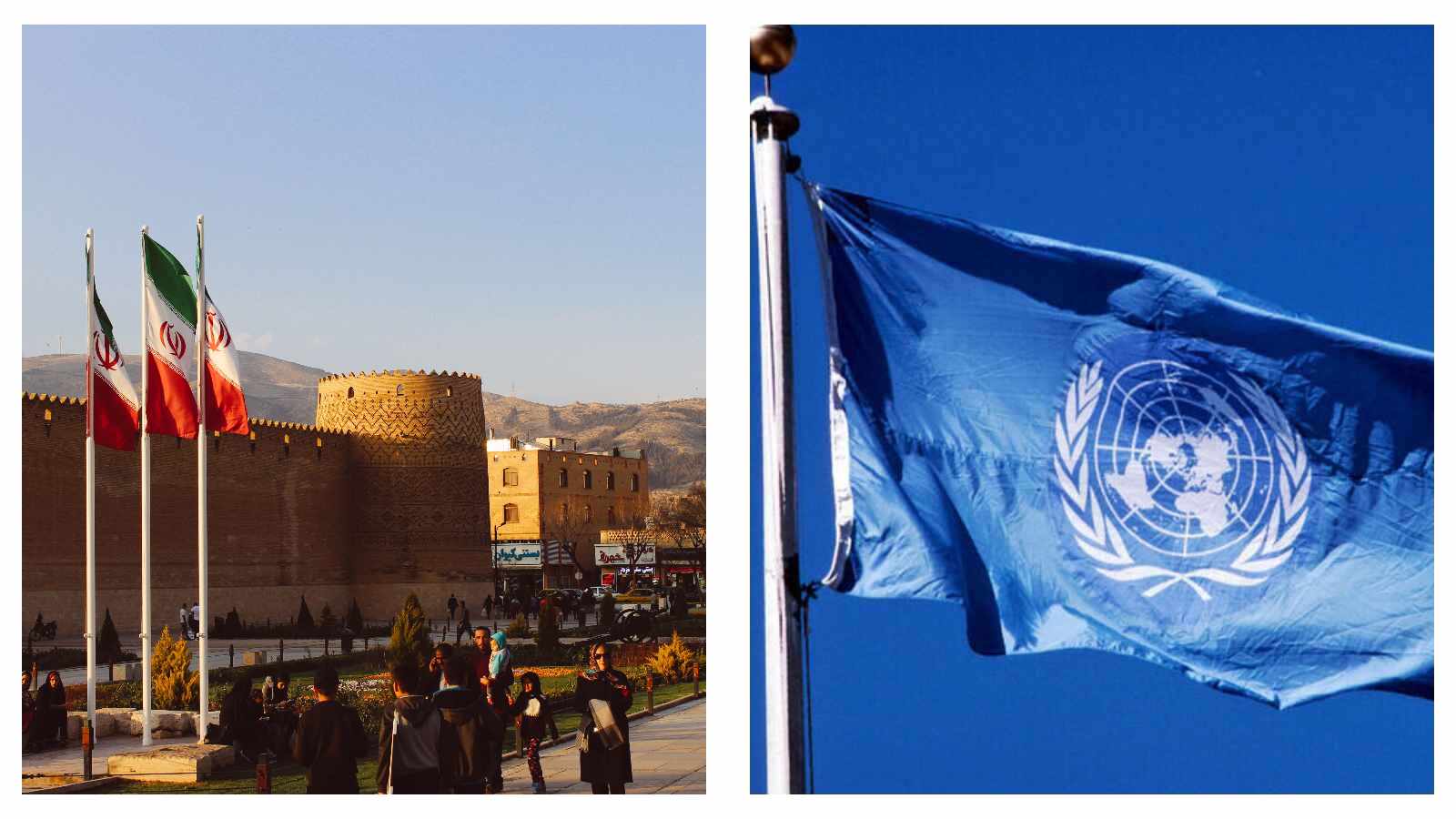
Iranian delegates have been given the go-ahead by the United States government to attend the upcoming 81st United Nations General Assembly (UNGA) despite the ongoing war in the Middle East and a crisis in global oil and gas supply.
An entourage of Iranian officials is expected to join the high-level week of the annual General Assembly of the UN, which will run from September 22 to 28.
According to an unnamed US official, the approved visas were intended for Iranian President Masoud Pezeshkian and Iranian Foreign Minister Abbas Aragchi, as well as other key officials intended to accompany them during the week-long events.
The US official added that despite giving them clearance to attend the General Assembly, the approved visas were only allowed for “scaled-down” Iranian delegates and that they will undergo tighter travel restrictions as part of the current policies of the US government.
As for the US, it said that its decision was in connection with its obligation as host country of UNGA under the 1947 UN Headquarters Agreement.
Still no progress on US-Iran peace talks
The conflict between the US and Iran is reaching its seventh month, with experts calling the situation a stalemate, but US President Donald Trump claimed that he has yet to make a “big decision” to finally conclude the war.
Despite repeatedly saying that the war is about to end, Trump has dodged questions about how his administration would resolve its differences with its Iranian counterparts as peace talks between the warring nations remain elusive.
Trump said during his interview with Axios that he would use the UNGA as an opportunity to reach out to the regional allies of the US, particularly in the Middle East, on how they are recovering from the impacts of the drone and missile strikes by Iran.
Key allies in the Arabian Gulf of the US had been the primary targets of the Iranian military since the war broke out in late February.
Most of the damage hit critical energy infrastructure, including oil and gas plants, while ultimately disrupting the flow of energy supplies with the blockage of the Strait of Hormuz.
YOU MAY ALSO LIKE: Canada PM welcomes proposed EU associate membership amid US trade war
Iran in, but Palestine still out
Meanwhile, the US State Department has decided to extend the blockade of visas against Palestinian officials, which will ultimately prevent them from joining the General Assembly, at a time when the embattled region continues to rally for statehood.
The decision of the US, which caused uproar from Amnesty International, has barred Palestinian President Mahmoud Abbas and other members of the Palestinian Authority and Palestinian Liberation Organization from being part of the high-level annual UN summit.
However, the members of the UNGA have passed a resolution to give Abbas the opportunity to deliver his speech via broadcast, with the Palestinian Ministry of Foreign Affairs and Expatriates hailing the decision.
It said that the move would give the Palestinian people a voice on the global stage amid the ongoing impacts of the presence of Israeli forces in Gaza and the humanitarian crisis in the territory.
READ NEXT: Russia’s return to G20 sparks mixed reactions as US eyes ‘global economic prosperity’
 Carmela Calling
  James Mario Ajero