
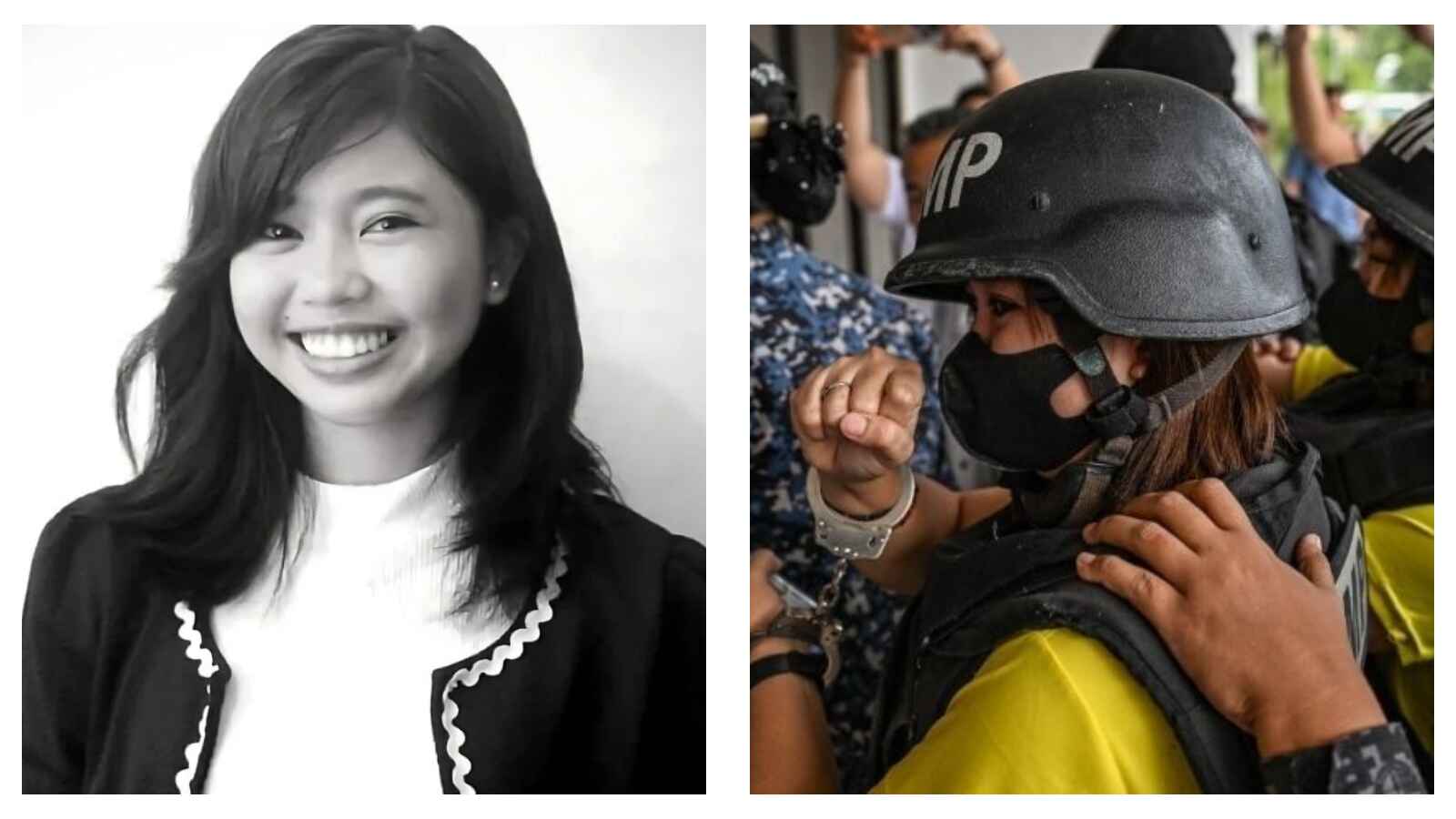
In an eastern Philippine city with deep ties to long-running insurgent activity, a court has handed down an 18-year prison term to a 26-year-old media worker.
This is the first time the nation’s laws against aiding extremist groups have been used against someone in journalism.
A legal path unlike any other
Frenchie Cumpio, a radio broadcaster and community reporter in Tacloban, was taken into custody in February 2020 alongside roommate Marielle Domequil, initially held on accusations of carrying unapproved firearms and explosives.
The charges were later dropped, but a more serious count was added 13 months later, carrying a possible 40-year sentence.
According to reports, the court’s latest ruling relied on statements from people who previously belonged to the New People’s Army, a designated terrorist group the state classifies as “dangerous.”
The former rebels claimed that assistance was given to them by Cumpio and Domequil in the form of money, weapons, and supplies for garments.
Under the decision, both defendants will be eligible for parole after serving 12 years and six months in prison.
Local and global backlash
In the aftermath of the verdict, several local media organisations and international watchdogs strongly denounced the outcome and voiced serious concerns.
Beh Lih Yih, Asia-Pacific director of the Committee to Protect Journalists (CPJ), asserted that the ruling goes against President Ferdinand Marcos Jr’s pledges to safeguard journalists.
“The ruling underscores the lengths that Philippine authorities are willing to go to silence critical reporting,” she was quoted by AFP as saying.
Meanwhile, Reporters Without Borders advocacy manager Aleksandra Bielakowska described the verdict as a clear failure to respect free expression.
“The Philippines should serve as an international example of protecting media freedom – not a perpetrator that red-tags, prosecutes and imprisons journalists simply for doing their work,” she said.
United States Special Rapporteur Irene Kha had previously noted that the allegations seemed tied to the media worker’s coverage.
Human rights groups, including Amal Clooney’s Clooney Foundation for Justice, have tracked repeated delays in proceedings since last year, questioning the lengthy detainment.
READ MORE: High Seas Treaty brings rules to international waters
A family’s fight for answers
For Cumpio’s mother, monthly trips to the provincial detention facility have become a routine of love and limitation.
Each visit includes essentials like prescribed care and a popular fried chicken meal, though even basic extras like sauces or drinks are not allowed.
As the ruling was made public, the woman stood with two of her sons outside the courthouse, overcome with emotion as the younger child continued to ask when their sibling would return.
What’s next for Tacloban and the Philippines
Legal representatives based in Tacloban confirmed that an appeal will be filed in higher courts in the coming weeks, and motions to seek temporary release are still active.
The Samar-Leyte region, where the case is centered, is one of the few places in the country where the insurgent group still operates, making security a top priority for many residents.
But critics argued that using laws meant to combat threats against those who document community realities risks closing off vital conversations.
With media groups across the globe calling for a review, the Philippines now faces a choice between reinforcing its role as a defender of free speech or letting fear dictate how stories are told.
READ NEXT: Philippine landfill landslide toll hits 35
 Carmela Calling
  James Mario Ajero