
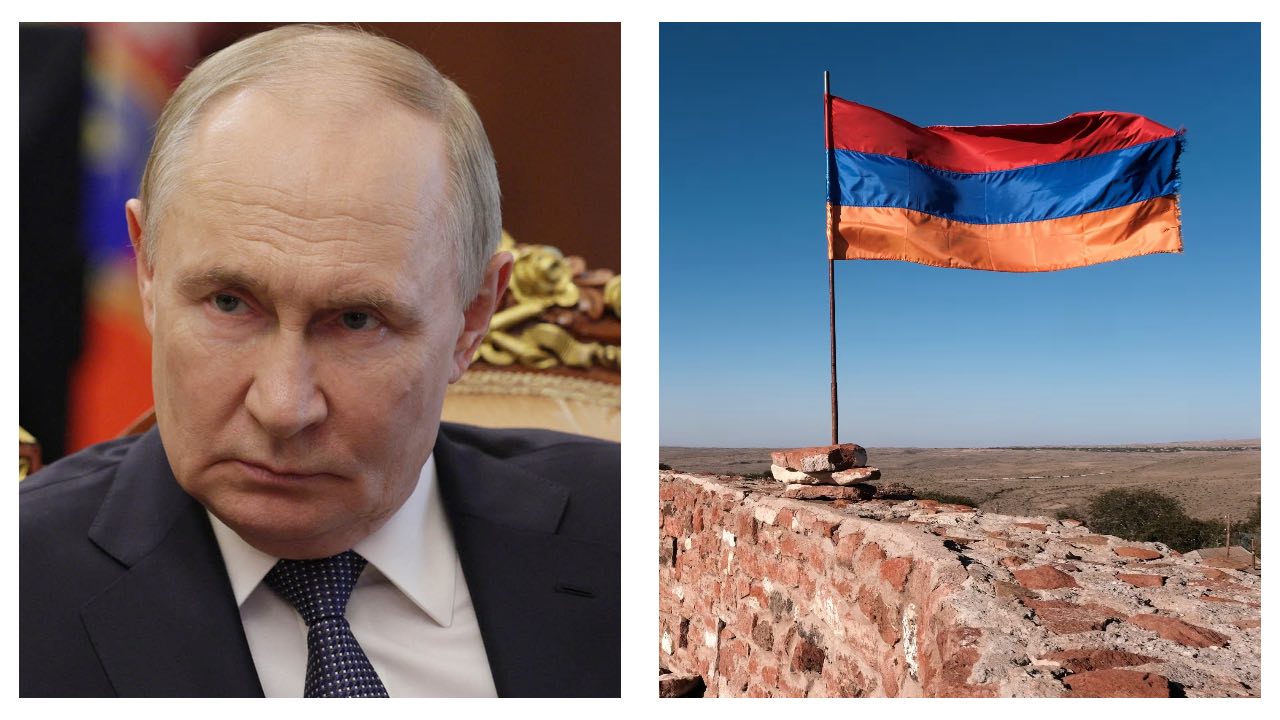
The once gleaming picture of bilateral ties between Armenia and Russia has taken a dramatic turn after Moscow recalled its ambassador in response to Yerevan’s growing closeness to the European Union (EU).
Armenian Prime Minister Nikol Pashinyan has expressed his disappointment over the recent rhetoric of Russian President Vladimir Putin, calling his demands “unreasonable”.
This comes shortly after welcoming European leaders to Armenia’s capital, Yerevan, including Ukrainian President Volodymyr Zelensky.
Pashinyan won’t cut ties
Pashinyan, who is eyeing a re-election bid on June 7, said that his country has opted for a balanced approach in forging relations with Europe but has not considered cutting its diplomatic ties with Russia.
His statements align with Putin’s recent remarks to push Armenia to conduct a referendum to let the Armenian people decide whether they wanted to join the EU or remain close with Russia and other long-standing allies.
Putin maintained that simultaneous ties with the EU and Russian-led organisations would be impossible.
But for Pashinyan, any referendum on the matter would not be “sensible or justified,” admitting that the Armenian-Russian relations are under a “transformation phase.”
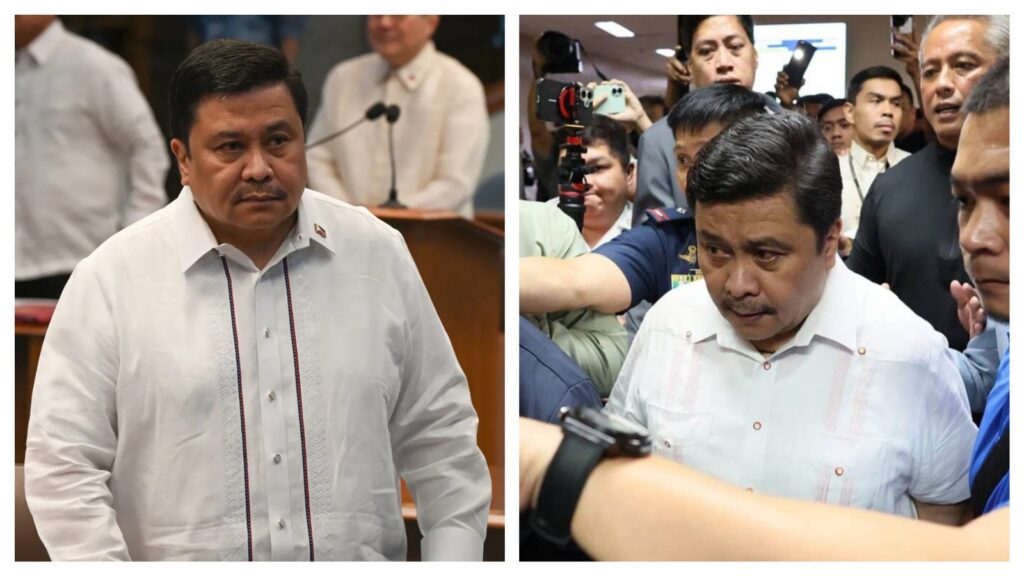
MORE INTERNATIONAL NEWS: Senator Jinggoy Estrada arrested for plunder in Philippine flood control scandal
Russia unleashes its usual tactics
The response of Russia to Armenia’s westward shift was swift, with experts pointing out Moscow’s typical punishments on its allies attempting to welcome European counterparts.
Among the most consequential moves Russia has made was its recall of its ambassador in Yerevan, citing that “consultations” were needed to discuss the current foreign policies of Armenia and how they would affect Russia.
Recently, the Russian government has also cut most of its importation of Armenian fish and seafood products, effective on June 2, after discovering alleged health violations on Armenia’s part.
Only two major Armenian seafood firms have been given the green light to continue importing seafood products to Russia.
Moscow has also begun trimming its trade ties with Armenia after barring supplies of flowers, mineral water, barley and alcohol products from entering Russian territories.
Moreover, Putin has recently warned that Armenia could lose its advantage on supplies of cheap natural gas from Russia if it continues to mingle with European leaders.
He said that what Russia offers is more “attractive”, capped at USD177.15, compared to the EU’s “market-based” gas prices, which he said are at USD600.
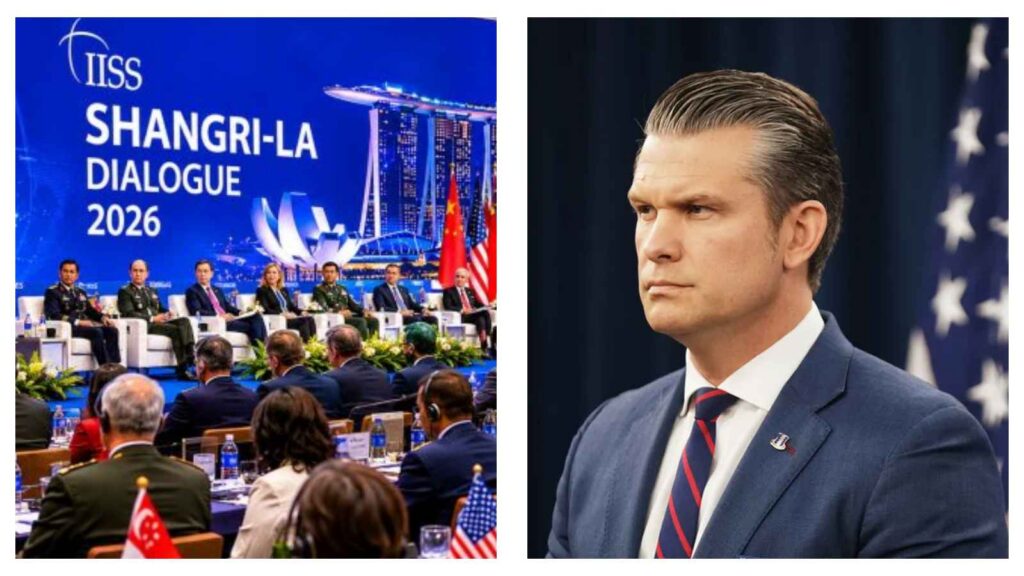
READ MORE: Hegseth urges Asian allies to rely less on US for security
Armenia’s EEU membership on the line
Armenia is part of the so-called Eurasian Economic Union (EEU), a Russian-led economic organisation that sought to bring together Russia’s closest allies in the Eurasian region.
However, a recent joint statement from Armenia’s fellow EEU members – Russia, Belarus, Kazakhstan and Kyrgyzstan – has taunted Armenia to choose which side to be a part of, arguing that it could not be part of both economic co-operations with the EU.
Putin warned that Armenia’s absence in the EEU would lead to a whopping 14% loss on its gross domestic product, a grim consequence already worsened with the initial 30% cut on Russia’s importation of Armenian products.
Yerevan has defended its stance in welcoming new potential partners, with its foreign minister, Ararat Mirzoyan, saying that Armenia has no intentions of severing its political and economic ties with Russia and EEU allies.
READ NEXT: Japan population sees record five-year drop: census
 Ciara Mina
  Rosemarie Zamora
  Jacinth Banite