

Due to skyrocketing computer component prices amid the AI boom, tech companies worldwide will have to choose between hiking prices or downgrading specs for 2026’s phone and laptop lineups.
Companies are expected to pass some of these costs onto consumers, with a report by Counterpoint Research published December 16th indicating smartphone prices are expected to rise by 6.9% in 2026.
Xiaomi, one of China’s tech giants, has already confirmed price rises.
“Cost pressure has transferred to the pricing of our new products,” President Lu Weibing wrote on Weibo. “Overall, consumers are likely to see a sizeable rise in product retail prices”.
However, he added that “price increases alone won’t be enough”.
Less for more
In addition to price increases, tech companies are also widely expected to pause upgrades or even downgrade their 2026 smartphone and PC lineups.
Higher-end phones will see a stagnation in RAM upgrades, staying between 12-16GB of RAM. The industry trend was previously heading towards all top-end phones having 16GB.
Mid-range and lower-end smartphones are expected to see their specifications downgraded compared to more recent editions, dropping to 8GB and 4GB respectively.
Laptops are also likely to see their RAM slashed to software minimums in 2026.
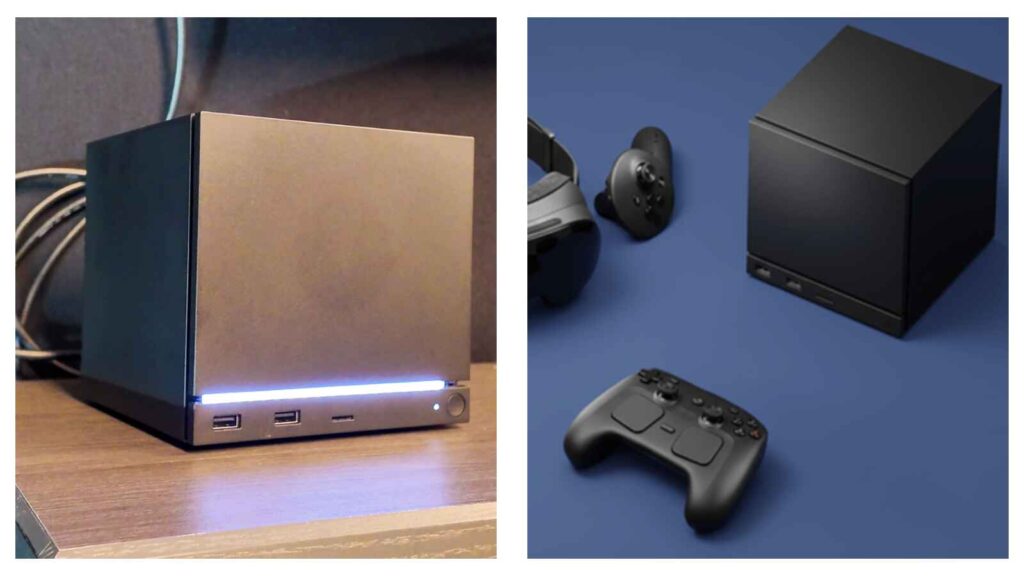
YOU MAY ALSO LIKE: Steam machine is back: Valve to release PC-console hybrid gaming cube
Why is RAM so expensive?
Data centres which run artificial intelligence require huge amounts of RAM, and AI companies have been investing heavily in building data centres, hoovering up hardware components.
The costs of DRAM chips, which are used in high-end storage and memory hardware components, have almost tripled this year, contributing to a price hike of over 500% for certain RAM components, according to retailer CyberPowerPC.
Earlier this month, there were even rumours that one Samsung division was refusing to sell RAM to another Samsung division, mainly due to profitability concerns of smartphones versus AI.
Whilst Samsung did reject these rumours, stating “recent reports that Samsung’s DS division has rejected certain customer requests are baseless and not true”, it highlights a very real decision companies will be battling with as the AI boom continues.
How high smartphone prices will go – and how little consumers will get for their money – is only to be seen when tech companies eventually unveil their new product lineups next year.
READ MORE BY ADAM PEAKER: Saudi Arabia news: Non-alcoholic drinks booms amongst locals as foreign residents permitted to buy alcohol for first time
 Carmela Calling
  James Mario Ajero