
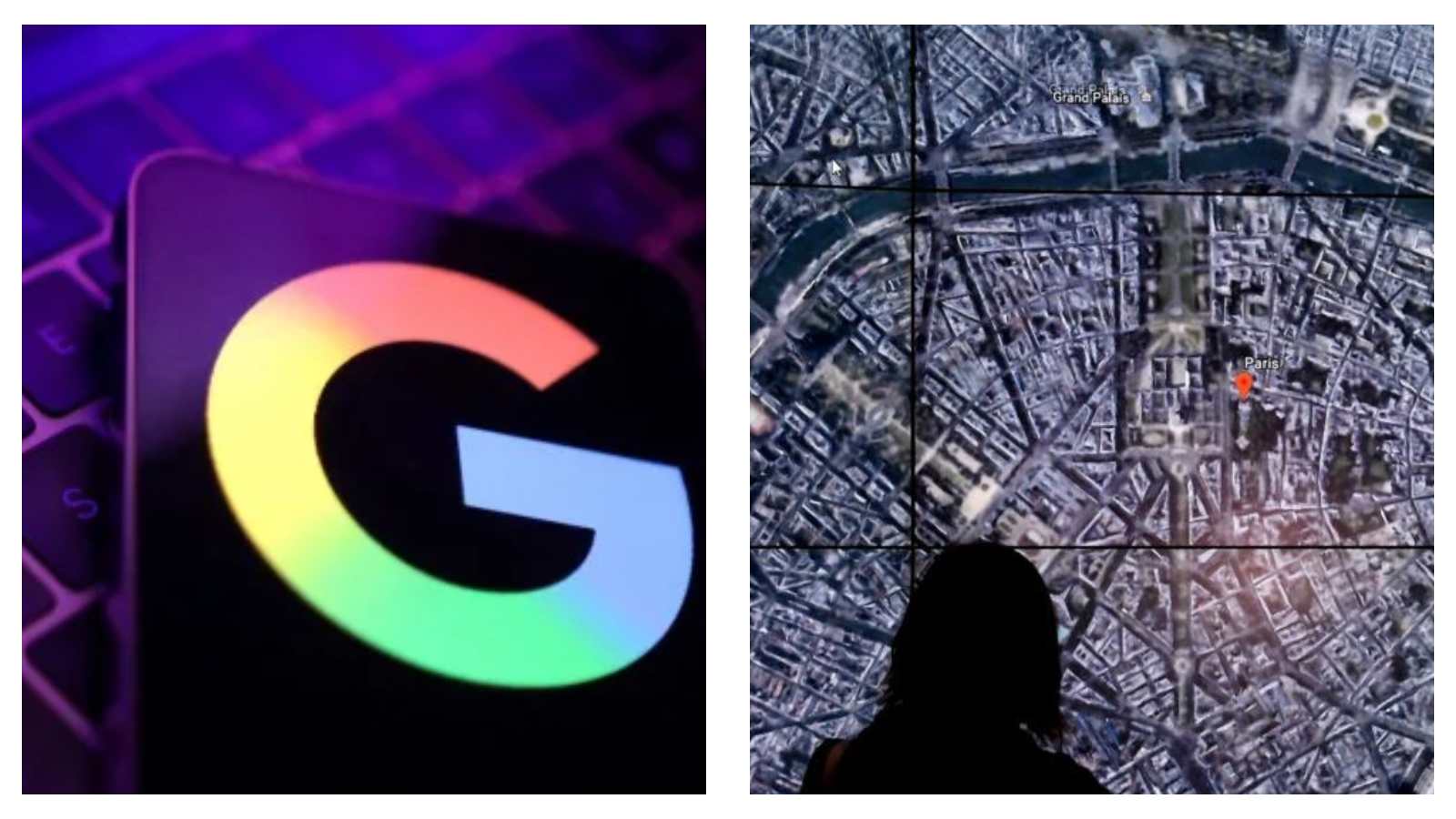
Less than 48 hours after announcing its new artificial intelligence (AI)-generation feature for Google Earth, the company said it was delaying the feature while working on “implementing stronger guardrails.”
New ‘create tool’ faces backlash
Google removed a new feature that allowed users of Google Earth to create artificial intelligence (AI) visualisations on top of the service’s satellite imagery after intense criticism from researchers and experts in open-source intelligence regarding the possibility of disinformation.
“We know that people uniquely trust Google Earth for a reliable view of the world,” the statement added.
“We take misinformation seriously,” the company wrote, linking to an AI policy that instructs users against “misinformation, misrepresentation or misleading activities.”
The new “create image” tool allowed users to zoom into specific locations and create images using the programme’s satellite, aerial, and 3D mapping data.
Google stated that it is a way to “visualise history, create real estate plans and more.”
Experts warned that it might make it easier for malicious actors to abuse Google Earth, a crucial tool for fact-checking and verification, in order to produce realistic geospatial fakes.
“Google spent 20 years building the reference the world checks against. Today it added a button that makes things up,” Henk Van Ess, digital investigations expert, stated.
TRY THIS: Recording giants propose new chart eligibility criteria for AI tracks

Past controversies
After the announcement, the “create image” button was no longer visible in Google Earth.
In 2023, a fake AI-generated photo of an explosion at the Pentagon circulated the internet.
In February, an Iranian state-run news organization claimed that an Iranian drone strike had destroyed United States radar equipment at a base in Qatar by posting a “before-and-after” Google Earth satellite image, which was proven to be AI-generated.
This year, Muse Image, an AI feature that lets users create images using public Instagram accounts, was discontinued by Meta due to widespread privacy concerns, including from a Hollywood union.
“This is potentially particularly damaging to public trust because satellite imagery has historically been seen as an especially trustworthy source of data,” said geospatial analyst and co-founder of Common Space Bill Greer.
READ NEXT: Spider-Man swings to another box office triumph
 Carmela Calling
  James Mario Ajero