
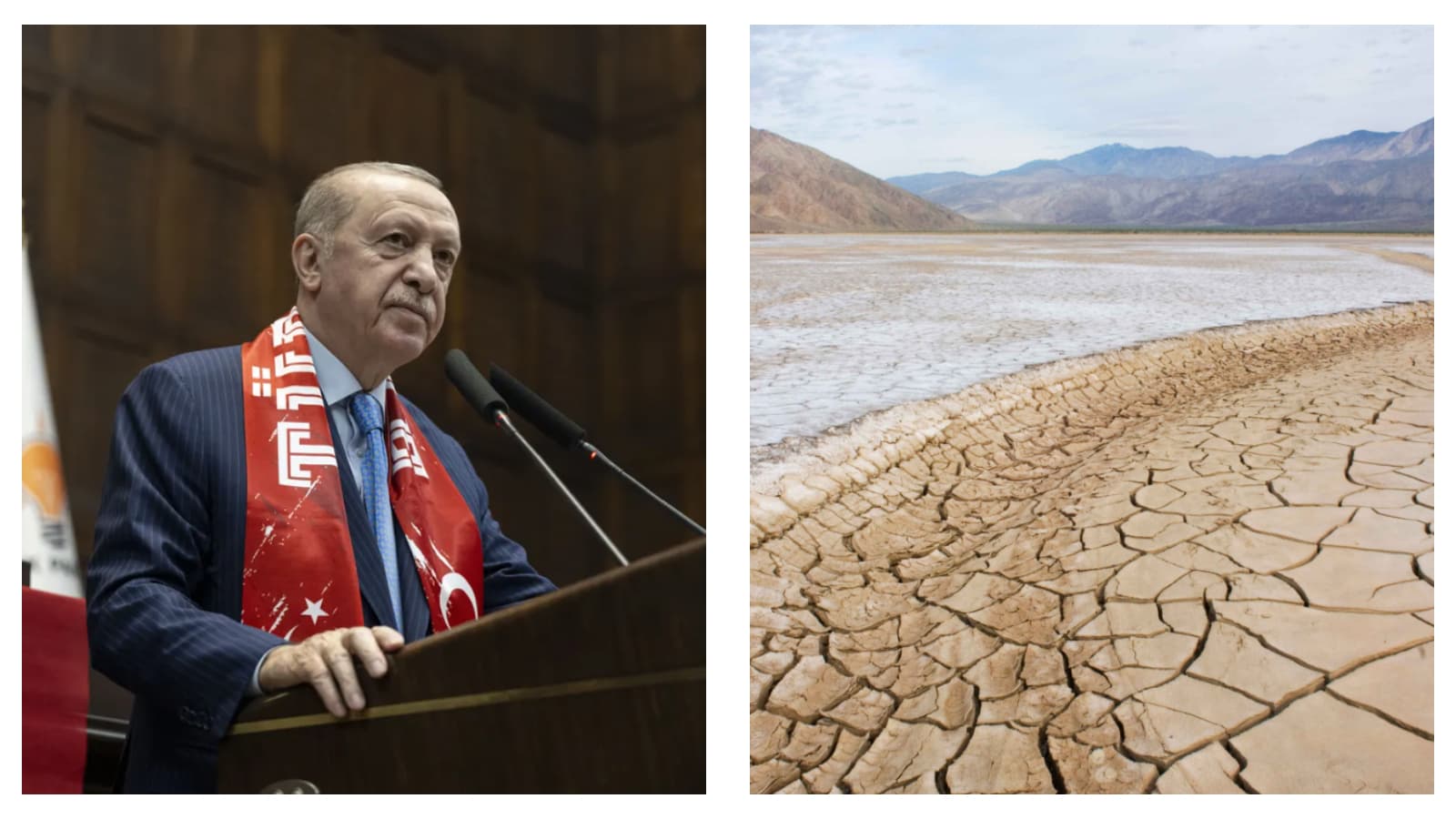
Turkish President Recep Tayyip Erdogan has warned of a looming global crisis centring on water.
This comes as ongoing conflicts in the Middle East drive up oil and energy prices.
According to Erdogan, water – like energy – could become a key trigger of future geopolitical tensions.
His warning echoes recent findings by the United Nations, which declared that the world is entering an era of “global water bankruptcy”, with many critical water sources already depleted.
Water as next battlefield for global conflicts
Speaking at an event in Ankara, Erdogan predicted that water could replace oil and carbon fuels as the focus of future global conflicts.
“In a century where power competition is intensifying in every field, the most strategic and valuable resource, and the main element of production and energy, is water,” he said.
For Erdogan, factors such as worsening climate change, rapid urbanisation, widespread industrialisation and population growth are resulting in a scarcity of global water resources.
This could evolve into a geopolitical conflict that “will be fought in the field of water in the coming period”.
To prevent this, the Turkish president stressed the importance of unity in water conservation.
“We must be careful not to waste not only the water flowing from the tap, but also the water gushing from the river,” he added.
READ MORE: ‘Let us not allow ourselves to be paralysed,’ Pope Leo urges as he leads first Easter vigil
UN flags era of ‘global water bankruptcy’
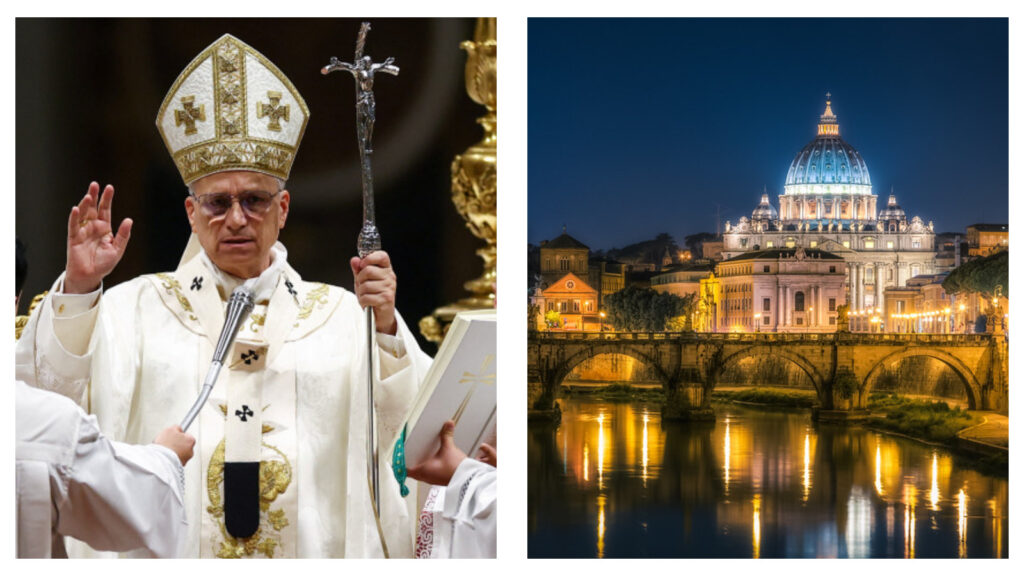
The UN has likewise declared the start of a global water bankruptcy.
Earlier in January, the organisation highlighted numerous current water crises.
In a report titled Global Water Bankruptcy: Living Beyond Our Hydrological Means in the Post-Crisis Era, the UN warned that the world is facing a scarcity in global water resources due to “irreversible losses” in natural water supply.
As per the report, long-term water “savings” from glaciers, wetlands and other natural reservoirs had already been depleted following the overspending of annual water “income” from rivers, soils and snowpacks.
“This report tells an uncomfortable truth: many regions are living beyond their hydrological means,” stated Kaveh Madani, the lead author of the report.
According to Madani, many critical water sources in the world have already crossed their threshold.
These sources “are already bankrupt”, he noted.
YOU MAY ALSO LIKE: Ten countries with the lowest fertility rates in 2025

Conservation efforts to preserve new water limits
UN undersecretary general Tshilidzi Marwala has cautioned that this phenomenon could become a “driver of fragility, displacement and conflict” in many places.
As a result, while calling for the conservation of water sources, the UN also asked nations to ensure peace and stability in order to protect vulnerable communities from impending losses.
“We cannot rebuild vanished glaciers or reinflate acutely compacted aquifers,” explained Madani.
“But we can prevent further loss of our remaining natural capital and redesign institutions to live within new hydrological limits.”
READ NEXT: Myanmar elects ex-coup leader as its newest president
 Carmela Calling
  James Mario Ajero