
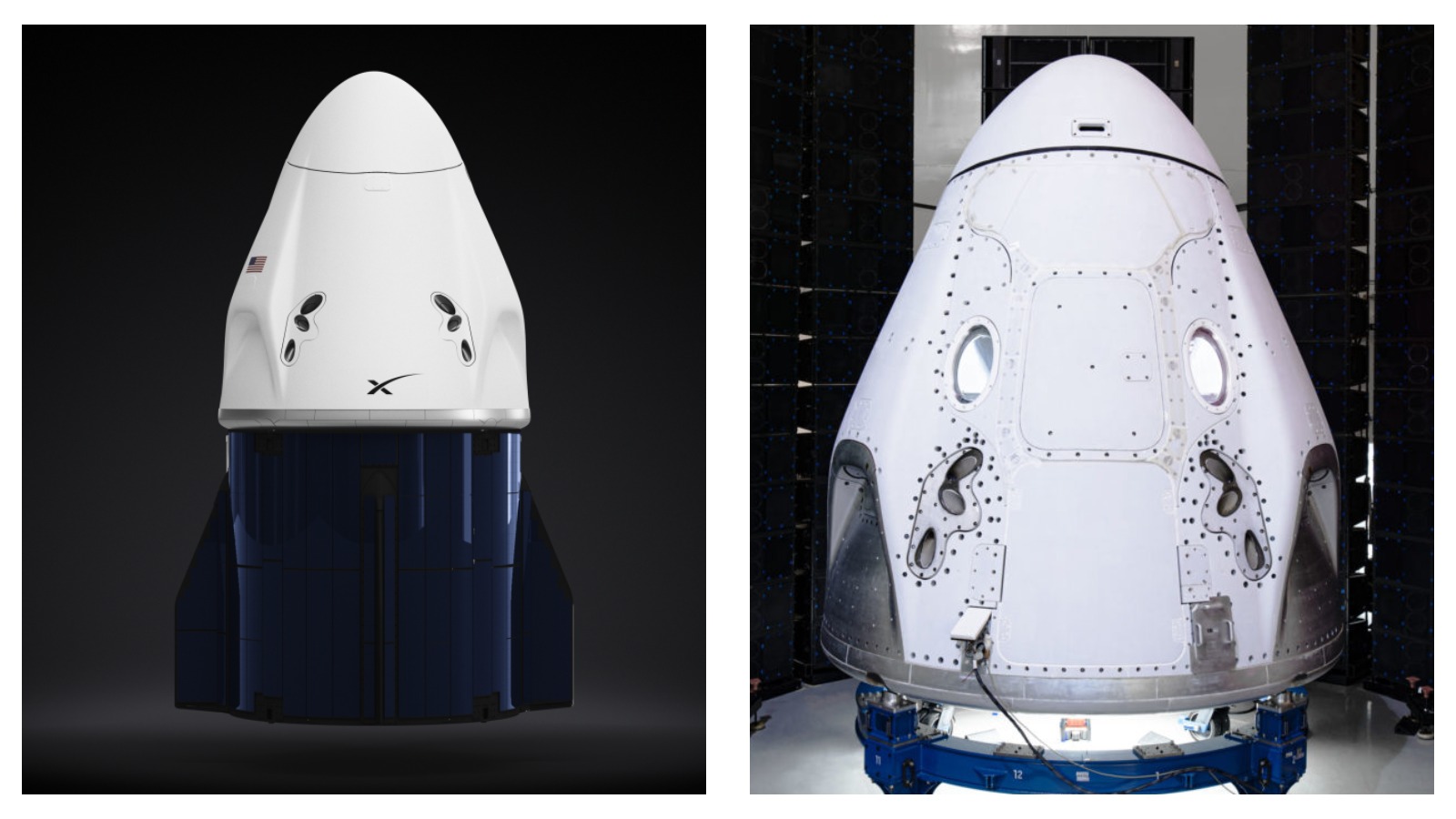
SpaceX’s unmanned space capsule, Dragon, returned home with research materials that could lead to medical breakthroughs in cancer, medicine, and bone regeneration.
The gumdrop-shaped capsule splashed down near the coast of Oceanside, California, on June 17 at 5:11 am Pacific Time.
It brought home samples, including bioprinted tissue models to study how cancer drugs interact with human organs, as well as materials from experiments investigating stem cell growth and bone regeneration.
Dragon’s latest mission was among the most research-packed spaceflights to date.
In-space stem cell production
Among the returning samples are materials produced under NASA’s “Hematopoietic Stem Cell Expansion in Space” programme.
This initiative explores the production of various blood-forming stem cell types in a low-gravity environment.
This could aid the development of treatments for several blood diseases and cancers, especially conditions that may require stem cell transplantation.
Samples developed under this experiment will undergo further laboratory analysis to explore the possibility of larger-quantity production.
READ MORE: Hormonal disorder PCOS gets name change

Cancer medicine development
Under the “DNA Nano Therapeutics-3” research programme, scientists aim to develop medicines for the active treatment of cancer.
Bioprinted tissue models of organs, including the brain, heart, liver and kidney, returned aboard Dragon, allowing researchers to study how cancer drugs affect human-like tissues.
Findings from this research could help bridge the gap between laboratory research and future cancer medicinal treatments.
This will also allow medical researchers to better predict how drugs affect human organs and potentially improve the way therapies for cancer and other diseases are developed.
READ MORE: From helpful to hazardous: When AI starts taking actions you didn’t ask for

Bone cell regeneration
Materials for the European Space Agency’s Green Bone biomedical technology experiment have also made their way back to Earth.
Also known as the AstroBone project, this experiment aims to simulate bone conditions like Osteoporosis for bone disease research.
READ NEXT: The rise of online sports betting – and what this entails for World Cup 2026
 Carmela Calling
  James Mario Ajero