
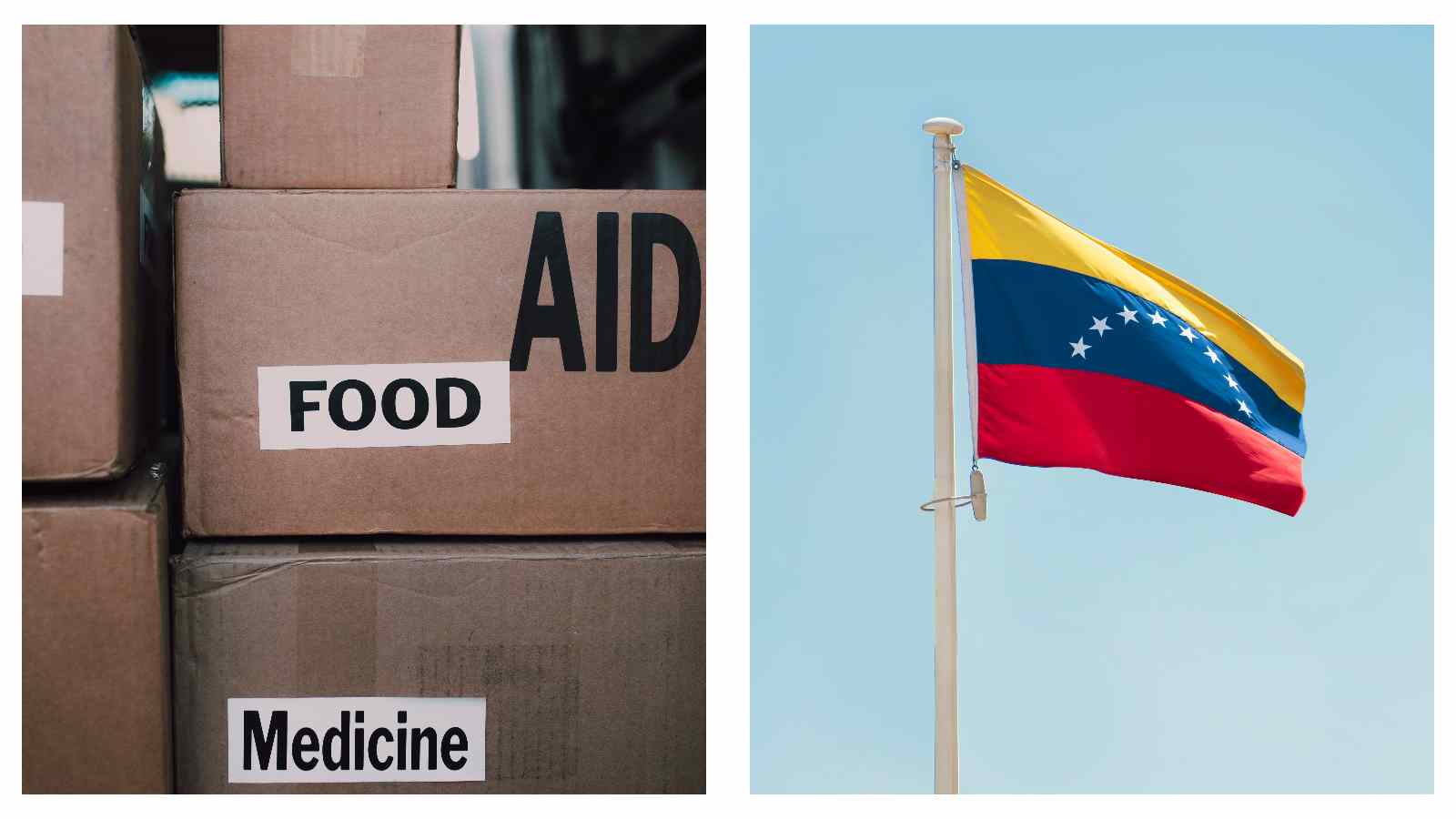
The death toll from Venezuela’s twin earthquakes rose to at least 920 on Friday, with thousands more injured, as search-and-rescue operations continued across heavily affected areas.
The twin earthquakes, measuring 7.2 and 7.5 in magnitude, struck in rapid succession at about 6pm local time on June 24.
The first quake’s epicenter was west of the town of Morón, about 168 kilometers west of Caracas, at a depth of 13 kilometers. The second struck just 16 kilometers southwest of Morón.
The Venezuelan government already declared a state of emergency on June 25 following the twin earthquakes as authorities mobilized rescue and relief operations.
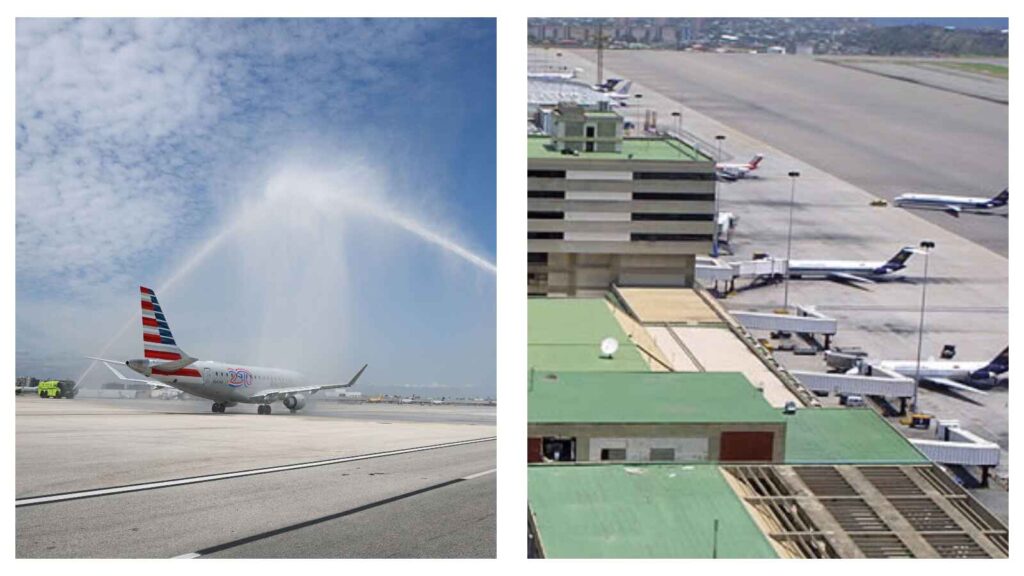
YOU MAY ALSO LIKE: US, Venezuela end seven-year isolation with revived ‘vital’ direct air route
Tremors felt beyond border
According to the International Medical Corps, the quakes caused major destruction across the Caracas metropolitan area and neighboring La Guaira, collapsing buildings and damaging roads and other infrastructure.
The tremors were also felt across several Venezuelan states, including Aragua, Carabobo, Falcón and Miranda, as well as in neighboring Colombia, where residents in the capital, Bogotá, reported feeling the shaking.
Authorities cautioned that the death toll is expected to rise as rescue efforts continue, particularly in severely affected areas where damage assessments remain incomplete.
US Geological Survey (USGS) predictive modeling warns that the total number of casualties could exceed 10,000.
Healthcare system overwhelmed
As the death toll continues to rise, hospitals in northern Venezuela, particularly in the hardest-hit city of La Guaira, have been overwhelmed by the surge in patients, with demand reaching up to 900% of normal capacity, according to the International Medical Corps.
The humanitarian organization said several health facilities were damaged by the earthquakes, including one major hospital that completely collapsed, further straining emergency medical services.
It added that hospitals are facing critical shortages of medicines, medical supplies and equipment, while affected communities also urgently need clean drinking water, food and mental health support for survivors and first responders.
EU, UNICEF extend help to Venezuela
The European Union and the United Nations Children’s Fund (UNICEF) have deployed rescue teams and other emergency assistance following the twin quakes.
The European Commission said eight member states—Czechia, Spain, Italy, France, Luxembourg, Germany, Portugal and the Netherlands—have mobilized more than 520 responders, including firefighters, rescue dogs and medical personnel.
Italy is also sending a medical team, while Luxembourg is providing telecommunications, shelter and energy equipment.
Meanwhile, UNICEF said it is working with Venezuelan authorities and humanitarian partners to provide medical care, safe water, child protection and psychosocial support.
“Our thoughts are with the children and families who have lost loved ones and all of those whose lives have been upended,” UNICEF Executive Director Catherine Russell said.
READ NEXT: How does the Philippines prepare for powerful earthquakes like the ‘Big One’?
 Elan Castanares
  Newsjustnews writers
  Mary Mae Balasanos