
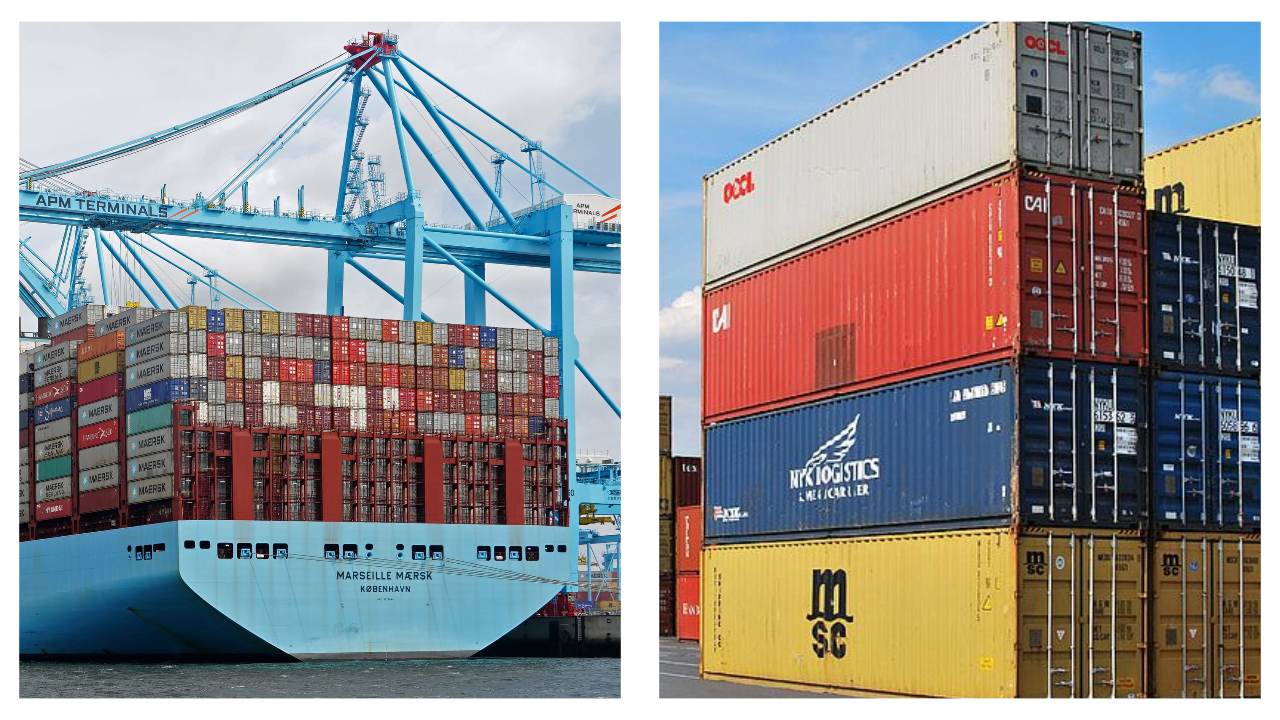
A new report that investigated the difficulties in preventing incidents on ships that transport dangerous goods amid the existence of internationally established regulations urged the container shipping industry to identify cargo risks from the booking stage instead of discovering them during the loading process.
The report, produced by Thetius and Tigris Systems, emphasised the need to identify the vital shipping details of each container before boarding them onto a ship. It noted that documents related to shipment declarations, safety data sheets, and corrections get stalled in emails, PDFs, and operational systems.
This unfortunate scenario has forced carriers, terminals and vessels to transport dangerous cargo on board, causing untoward incidents like fires and explosions at sea.
“Before loading, you need to know exactly what is in the container,” said dangerous goods safety advisor Paola Staiano as reported by Splash247.com. “You cannot feed the system with approximate information.”
YOU MAY ALSO LIKE: Danish Shipping pushes for inclusion of Indian shipbreaking yards on EU list

Vessel fire incidents onboard
The World Shipping Council said that undeclared and misdeclared dangerous goods remain the leading cause of vessel fire incidents in recent years. Protection and indemnity insurance provider TT Club estimated that a major fire onboard a container vessel happens about every 60 days.
With this issue in mind, Thetius and Tigris Systems called for more aggressive digital screening from the booking stage.
It noted that shipping documents — such as dangerous goods declarations, safety data sheets and other supporting information — should be transparent and comparable to data declared for United Nations use.
This includes important shipping data, including numbers, classifications, packaging and quantities.
Increased digital screening for cargo
The shipping information presented to port authorities should also include operational data, temperature limits, segregation requirements and directions to prevent fire inside a vessel.
These data are important for ships that load lithium-ion batteries, charcoal and other cargoes where practical risks are not classified under standard loading and shipping procedures at port.
Staiano called for data automation of containers to be transported on ships to avoid repetitive checking.
The report also warned against removing specialist oversight and advised that algorithms should identify inconsistencies to prevent questionable cargo from being shipped.
READ NEXT: Australia launches maritime emissions reduction plan
 Ciara Mina
  Rosemarie Zamora
  Jacinth Banite