
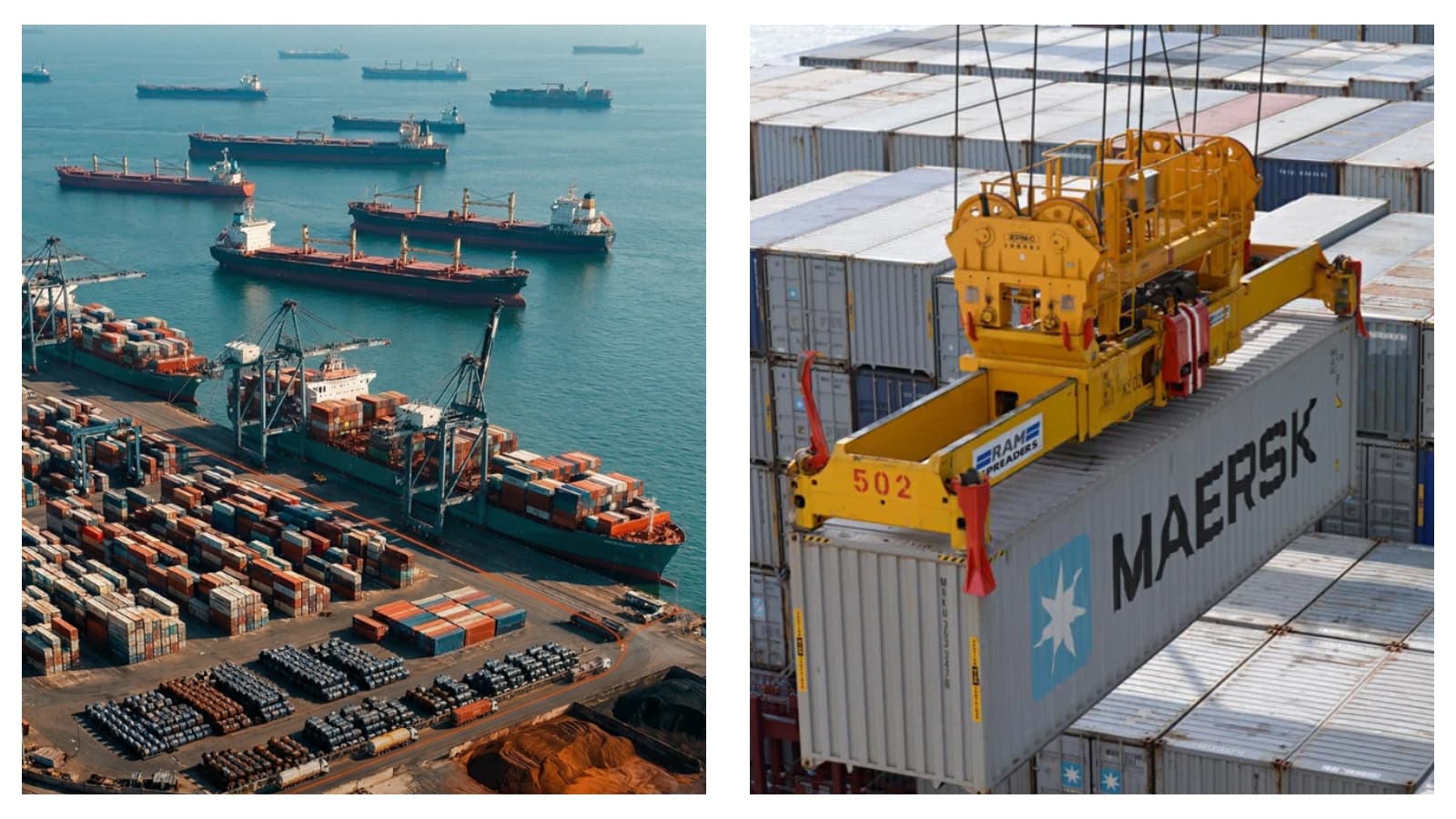
Ports worldwide have been experiencing increasing strain on their capacity, primarily linked to ongoing conflicts and incidental events.
This has resulted in records surpassing those of the early COVID-19 pandemic, according to a recently published report.
Geopolitical tensions halt port operations
According to Linerlytica, the latest combined container capacity has hit 4.31 million 20-foot equivalent units (TEU), with the situation leading to delays and a shortage of available vessels.
The previous record was only four million TEU at the peak of the COVID-19 pandemic, when all forms of transportation were suspended to help stop the spread of the virus.
Data has also revealed the disruption of key maritime routes and sea corridors due to geopolitical tensions that have led to an increase in idled cargoes and containers in numerous major ports.
Ukrainian and Russian ports have been recent targets of the two warring nations, with ships supposed to be transporting valuable grains either remaining in docks or seeking alternative routes.
Ports in the Middle East have also been affected by the ongoing chaos in the Strait of Hormuz to the point that ports outside the region were dragged into the situation.
Elsewhere, ports in Pakistan were categorised under the high-risk areas of the Joint War Committee of the Lloyd’s Market Association before being lifted from the list in July.
READ MORE: Nepal flash floods trigger fresh calls for Himalayan risk preparedness, strategy

Typhoons in Asia force ships to dock
The Hong Kong–based shipping analytics firm said the data was pushed further back after major ports in China were shut for multiple days due to a string of strong typhoons that slammed into the eastern region of the Asian nation.
The Shanghai port reported it currently holds over 1.5 million TEU due to Typhoon Saudel, the 18th typhoon to hit the city, especially after it has yet to fully recover from the damage brought by typhoons Bavi and Dolphin.
Other Chinese ports have announced the temporary suspension of operations due to safety risks from the current inclement weather.
Similarly, ports in Singapore, Busan in South Korea and Colombo in Sri Lanka have experienced disruptions to their port operations.
YOU MAY ALSO LIKE: New Zealand seeking to ban social media for children under 16 due to risks

Panama Canal braces for ‘Super El Niño’
Lastly, Linerlytica has also warned that port congestion could worsen given the looming effects of fewer ships allowed to pass through the Panama Canal due to El Niño.
Panama is expected to be among the hardest hit by the so-called ‘Super El Niño’, with early signs of the weather phenomenon indicating a lack of precipitation leading to a dangerously low water level in the canal.
Due to the situation, only 34 vessels will be allowed to pass through the vital route starting on September 4.
That number is set to be lowered to 32 by September 15, according to the canal authorities.
A drop from the canal’s usual traffic, usually welcoming around 40 vessels, is projected to impact the global shipping industry and lead to slow deployment of cargoes and an increase in freight rates as vessels either search for alternative routes or choose to remain taking turns in using the canal.
READ NEXT: Falsified missing-persons case fuels rumours, rattles Jeju tourism
 Ciara Mina
  Rosemarie Zamora
  Jacinth Banite