
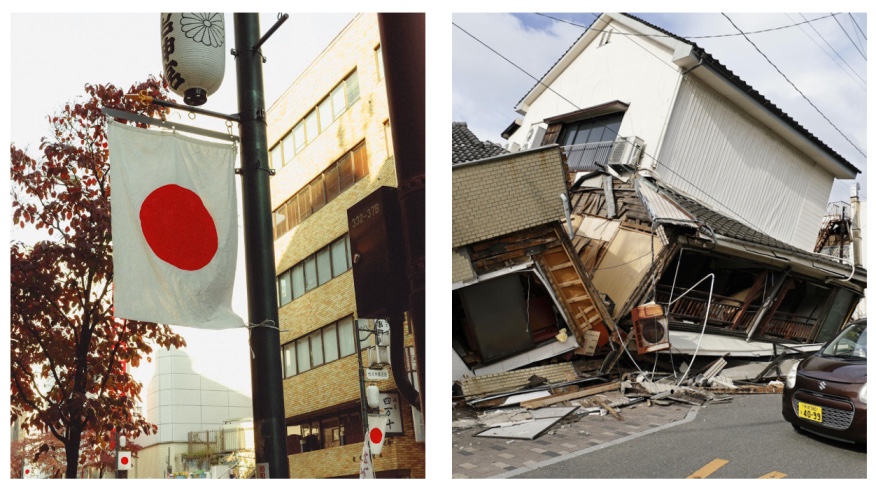
The Japanese government is actively seeking ways to restore clean water to disaster-stricken communities following the recent earthquake in Kumamoto, which left over 100,000 households without running water during the sweltering heat.
Before the next earthquake strikes, the Land, Infrastructure, Transport and Tourism Ministry said it intends to broaden the scope of a subsidy programme, currently confined to prefectures, by adding municipalities to its coverage to ease the access of cities and towns to portable water purification units.
Portable units prove their worth on the ground
On July 28, 2026, a 7.1-magnitude earthquake in Kumamoto tested the capability of these truck-mounted systems.
Hiwaka’s well water was successfully purified through this system, proving its ability to turn seawater, river water or groundwater into roughly 2,000 litres of drinking water per hour –something water mains in Japan failed to execute.
In Ishikawa Prefecture, three portable purification units have been operating in Suzu City ever since the 2024 Noto Peninsula earthquake wrecked its water treatment plant – which has yet to be repaired.
However, the aftermath of July’s earthquake raises a different concern: enduring the scorching weather with insufficient clean water.
READ MORE: South Korea further weighs in on creating its ‘green corridors’
Heat wave adds urgency to funding push
What is now considered a genuine health emergency has prompted Japan to lower the cost barrier for smaller municipalities beginning next fiscal year, extending a fiscal year 2025 programme that already covers a third of the cost, according to a related report from The Japan News.
The ministry also seeks to ease the scale requirements tied to subsidised seismic retrofitting of water mains since only 47% of these connections had been made earthquake-resistant as of March 2025.
Nonetheless, officials hope that expanding subsidy access can aid this shortcoming before another disaster occurs.
The two measures signify a shift in Japan’s disaster strategy, which aims to reflect flexibility as an essential factor in achieving a solution for climate-driven disasters.
READ NEXT: Nepal-China flood toll hits 768 as international aid pours in
 Ciara Mina
  Rosemarie Zamora
  Jacinth Banite