
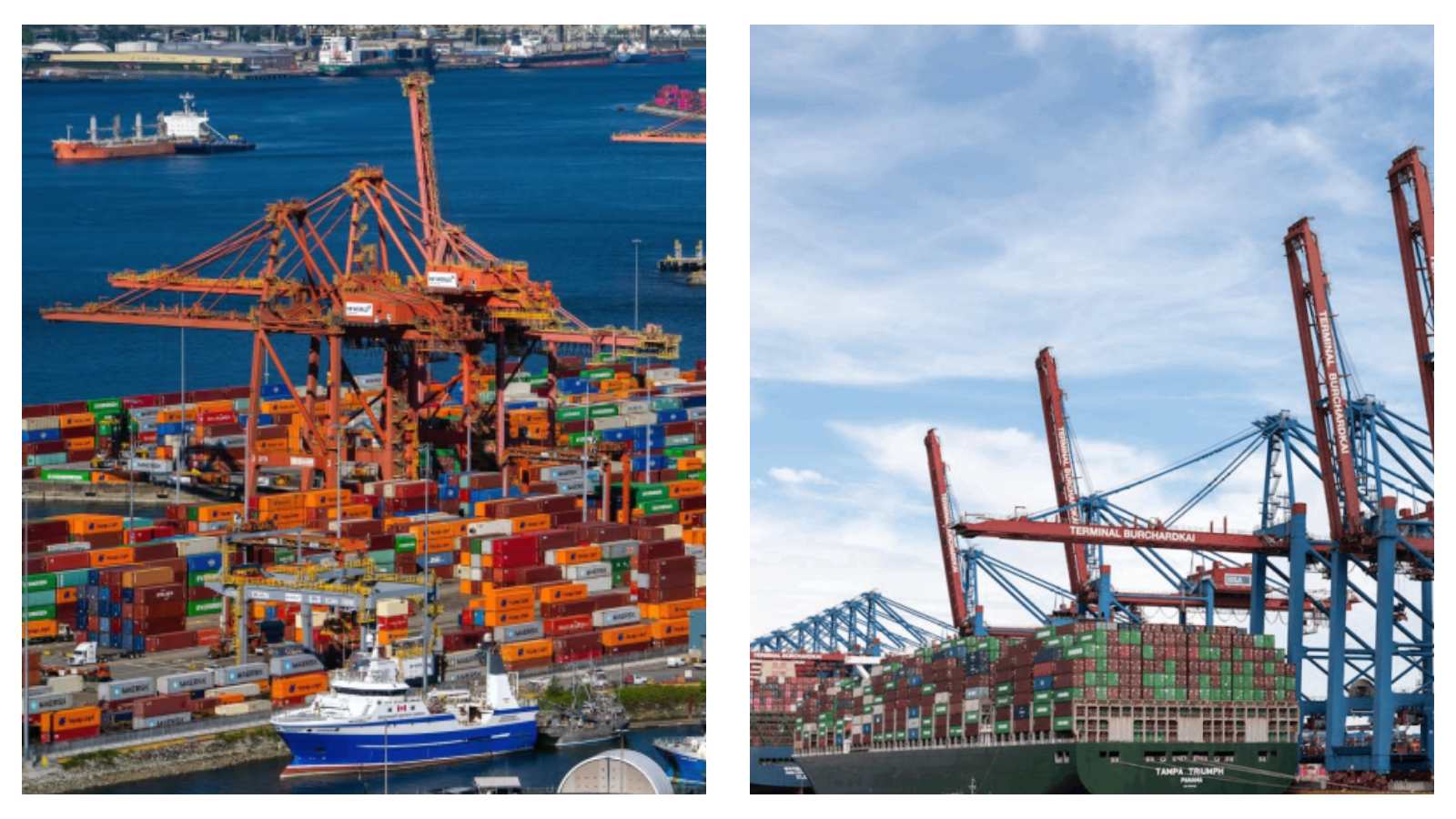
The degree of centrality of Canada’s top five ports decreased significantly between 2016 and 2023, according to a new analysis by the Bank of Canada, which showed that there is a declining connectivity of Canadian ports.
The degree of centrality, a measure of the quantity of distinct destinations directly connected to a port, was computed by the central bank investigation in order to map the drop.
A port with a low degree of centrality constitutes few dedicated routes.
For example, the study found that Port of Vancouver’s weighted centrality decreased from 0.75 percent in 2016 to 0.16 percent in 2023.
Halifax, Montreal, New Westminster and St John’s have a similar pattern.
For comparison, Zhoushan in China, the most linked port in the world, has a degree centrality of 2.9 per cent in 2023.
YOU MAY ALSO LIKE: UN asks nations to find Hormuz alternative, prevent food price crisis
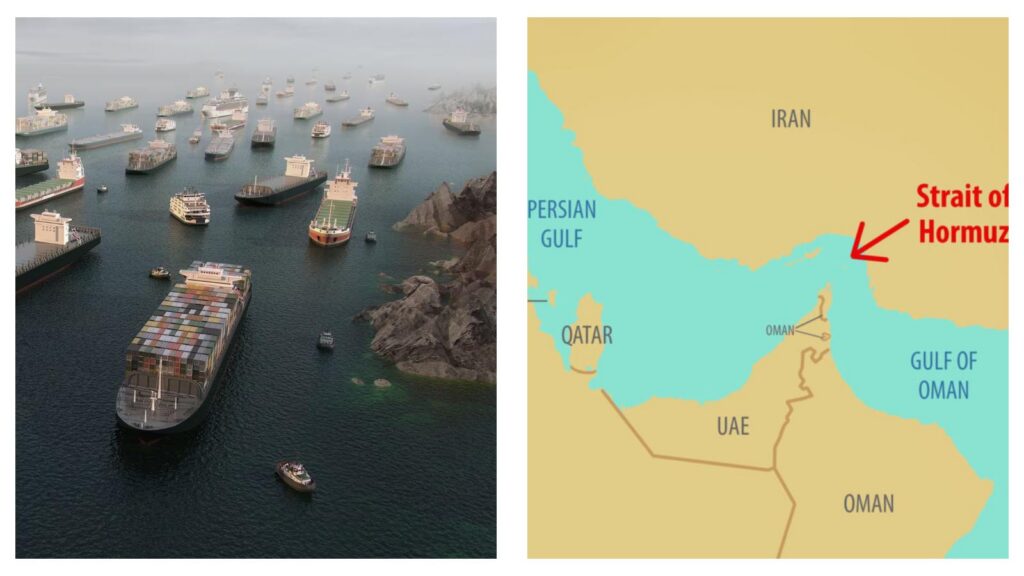
Canadian ports less connected to international networks
Compared to ports in other nations, Canadian ports are clearly less closely connected to international shipping networks, according to statistics for ship movements from 2016 to 2023.
This has made it more likely that Canada’s domestic markets and prices may be impacted by disruptions in foreign supply, particularly at remote hubs.
“We have fallen way behind in terms of the productivity of our ports and our trade corridors as a whole,” said Prime Minister Mark Carney.
“The time it takes from a good showing up just off the coast to landing in central Canada or the US is measured in weeks, not days,” he added.
Not a sole Canadian problem
Nonetheless, the central bank clarified that the drop in relative connectivity is a North American phenomenon rather than only a Canadian one.
During the period under consideration, major ports in the United States also experienced a decrease in their degree of centrality.
Three US ports were in the top ten most linked ports worldwide in 2016, but by 2023, none of them were.
East Asia, meanwhile, accounted for eight of the ten most connected ports in 2023, up from six in 2016.
Growing trade between developing economies is probably the cause of these changes.
READ NEXT: Ilya Espino de Marotta named first woman Panama Canal Administrator
 Ciara Mina
  Rosemarie Zamora
  Jacinth Banite