
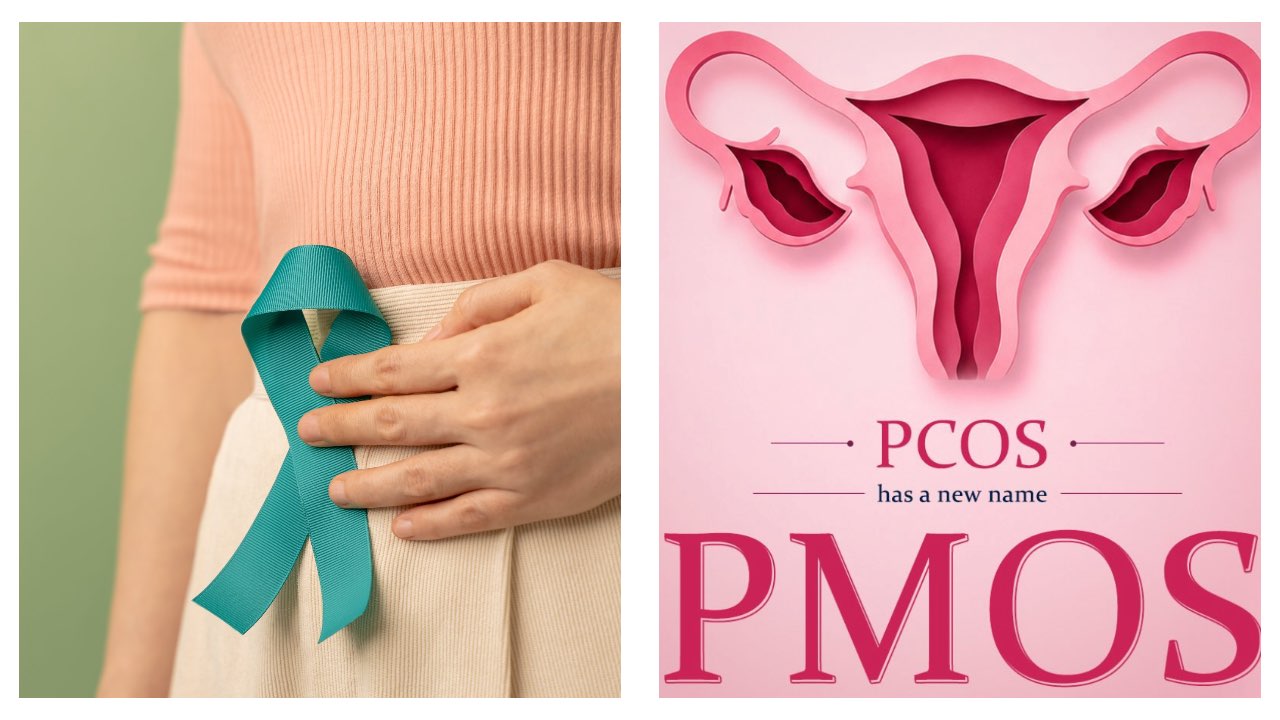
Polycystic ovary syndrome (PCOS), a hormonal disorder that can cause irregular periods and infertility among women, now bears a new name.
PCOS has been renamed polyendocrine metabolic ovarian syndrome (PMOS) in a bid to grasp its true nature while advancing better diagnosis and treatment of the condition.
The move comes 14 years after the United States’ National Institutes of Health recommended changing the terminology, saying that instead of cysts, many women with PCOS actually have antral follicles, or fluid-filled sacs inside the ovaries that contain immature eggs.
It is backed by collaborative research between researchers, experts, and patients globally, as well as surveys involving 14,360 women with PCOS and health professionals.
The medical community’s transition to PMOS is expected to take more than three years, researchers wrote in The Lancet medical journal.
From PCOS to PMOS
Researchers described PCOS as a misnomer that has led to delayed diagnosis, inadequate care, and even stigma.
“PCOS encompasses diverse endocrine, metabolic, reproductive, psychological, and dermatological features.
“The current name reflects only one organ and fails to capture the disorder’s multisystem nature.
“Confusion arising from the current name can delay diagnosis and hinder effective communication between patients and health professionals, contributing to patient dissatisfaction with care,” they said in a Lancet article published on May 12.
“The reproductive focus of the name can reinforce stigma, particularly in sociocultural contexts where fertility carries high value.
“Many individuals report distress associated with the name itself.”
READ MORE: Vietnam announces cash incentives for women with two children by 35

One in eight women live with PMOS
The name PCOS was first used by US gynaecologists Irving Freiler Stein and Michael Leventhal to diagnose seven women with hirsutism, amenorrhoea, and infertility in a case study in 1935.
More than 170 million people are currently living with the condition, or at least one in eight women worldwide, The Lancet said.
Its most common symptoms include irregular periods or heavy or painful menstruation for some women, infertility, excessive hair on the face or body, baldness or hair thinning, and acne or oily skin, according to the World Health Organisation.
Women diagnosed with PMOS face higher risk of other medical conditions such as type-2 diabetes, hypertension, cardiovascular disease, and obesity, as well as mental health disorders like anxiety and depression, the United Nations’ health agency said on its official website.
PMOS cannot be cured, but its symptoms can be alleviated with regular screening and lifestyle changes.
READ NEXT: Film news: ‘Toy Story 5’ world premiere, Taylor Swift joins the red carpet
 Carmela Calling
  James Mario Ajero