
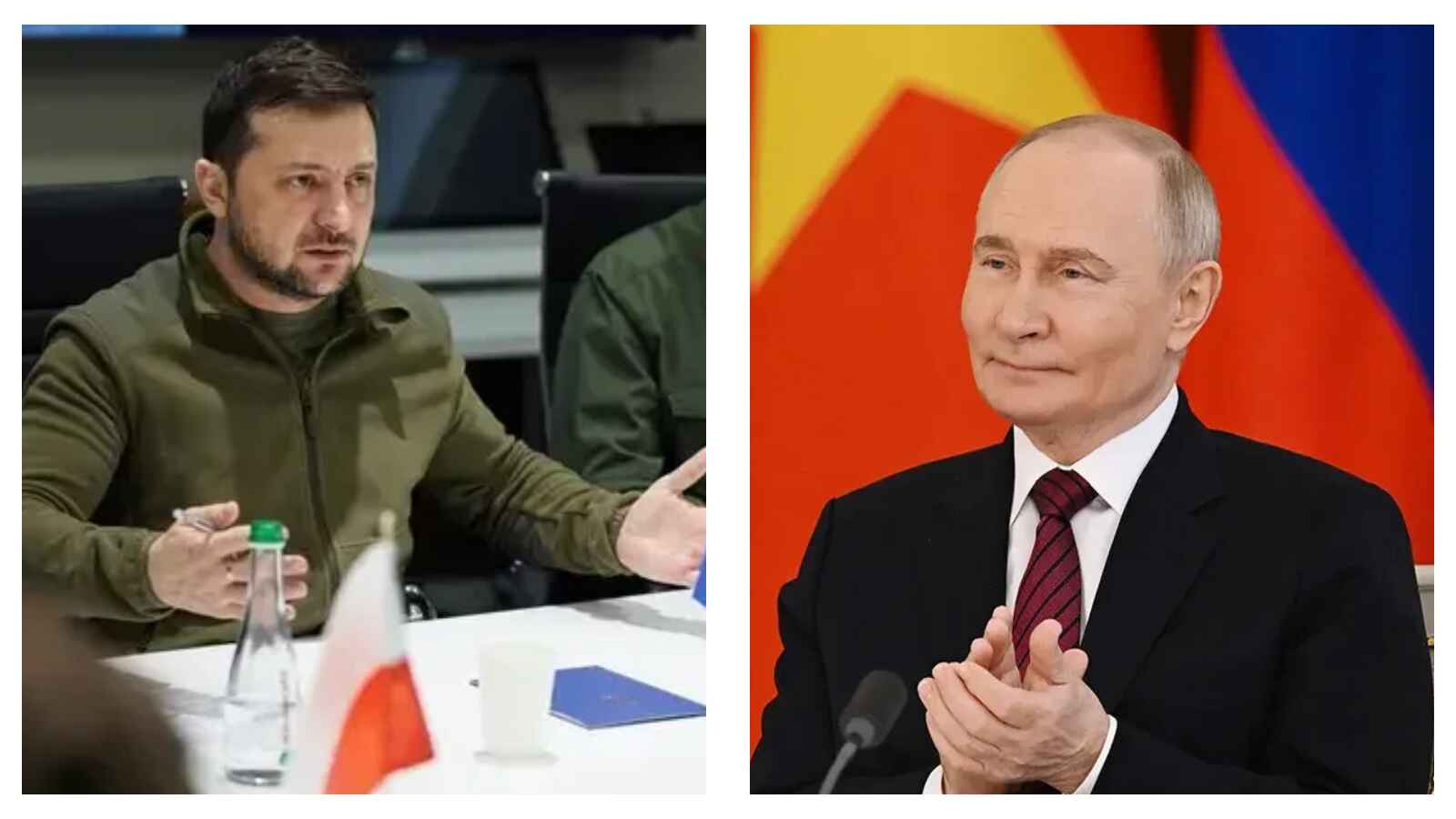
United States President Donald Trump has signed an executive order waiving key provisions of a heavy sanctions law targeting Russia’s energy revenues, defence sector and senior officials.
The move came as relations between Washington and Kyiv deteriorated following his dispute with Ukrainian President Volodymyr Zelensky.
The executive order, which was signed on Friday, suspended the application of new sanctions and tariffs authorised under the Lindsey Graham Act, just two days before they were due to take effect.
Trump stated that the waiver was in the US’ “national interest.”
YOU MAY ALSO LIKE: US mulls easing sanctions on Russia’s shadow fleet to curb freight costs
Waiver halts key provisions
The Lindsey Graham Act, which was named after the late US senator who sponsored it, was signed into law last month after receiving bipartisan support in Congress.
The law would give the US president authority to impose tariffs of up to 100 per cent on goods from major buyers of Russian oil and gas, including countries such as China and India.
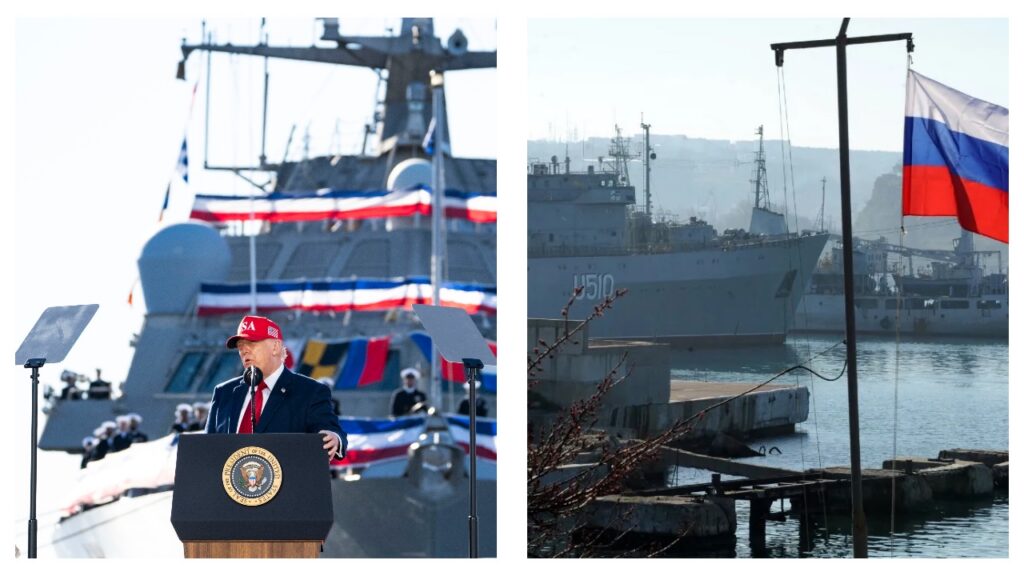
It also targeted Russia’s energy and defence sectors, President Vladimir Putin himself, senior Russian officials, financial institutions and Moscow’s so-called “shadow fleet” of tankers, which are ageing ships that use deceptive methods to evade Western sanctions.
“As described further in section 4 of this order, I am hereby waiving the application of such sanctions, restrictions, and duties provided for in the Graham Act,” Trump’s executive order said, as reported by Agence France-Presse.
The decision came after the US agreed last week to import Russian diesel, a deal that has strained ties with Kyiv.
Russian presidential envoy Kirill Dmitriev, meanwhile, welcomed the move, calling it “an important and truly historic moment” in a post on social media, according to AFP.
He said the sanctions would have caused “serious damage first and foremost to the US economy and global markets.”
Kyiv condemns waiver
Zelensky criticised the decision, saying the sanctions “could have helped enormously” and were intended to apply “truly effective pressure on Russia to bring this war to an end,” according to the BBC.
He also described the waiver as an “American sanctions blackout,” saying that a “weakening of pressure on the aggressor” amounted to “a financial reward for Putin” that would only encourage further attacks, NBC News reported.
He and Trump have traded public barbs in recent days, with the US president describing Zelensky as “more difficult to deal with” than Russian President Vladimir Putin.
Zelensky later said it was good to be among “real leaders” during an address to a European Union summit, according to the BBC.
US lawmakers criticise move
The decision also prompted criticism in Washington.
Democratic Congressman Don Beyer accused Trump of “betray(ing) our Ukrainian partners and def(ying) clear congressional intent,” while Democratic Senator Richard Blumenthal called the waivers a “craven, cowardly action.”
Republican Senator Thom Tillis, despite being in the same party as Trump, also criticised the administration for not enforcing a law that passed the Senate 86-11.
“What part of enforcing a law passed 86-11 by the Senate does the President and his advisors not understand?” he asked in a social media post.
“It’s unconscionable that this administration is capitulating to a Russian dictator who illegally invaded Ukraine and butchers innocent civilians every single day. If the President wants to actually bring down energy prices, he can do it by solving the Iran problem, not by doing a solid for Vladimir Putin,” Tillis added.
READ NEXT: Ukraine needs more than 120 missile interceptors per month, says Volodymyr Zelensky
 Ciara Mina
  Rosemarie Zamora
  Jacinth Banite