
Sudan is facing a growing risk of famine as fighting between the Sudanese Armed Forces (SAF) and the Rapid Support Forces (RSF) continues to escalate, compounding other humanitarian challenges, a global food security monitor has warned.
According to the Integrated Food Security Phase Classification (IPC), malnutrition is worsening in several parts of the country due to insecurity and inadequate funding.
The monitor found that 13 of the 17 nutrition surveys conducted across Greater Darfur recorded critical levels of acute malnutrition.
In particular, Eastern Jebel Marra and South Darfur recorded acute malnutrition rates of 38 per cent and 30.8%, respectively, among children, exceeding the relevant thresholds cited in the assessment.
The findings follow an IPC report in May that estimated nearly 19.5 million people, or more than 40 per cent of Sudan’s population, were experiencing high levels of acute food insecurity, including 135,000 people in Phase 5, the most severe classification.
El Niño-induced drought worsens food insecurity
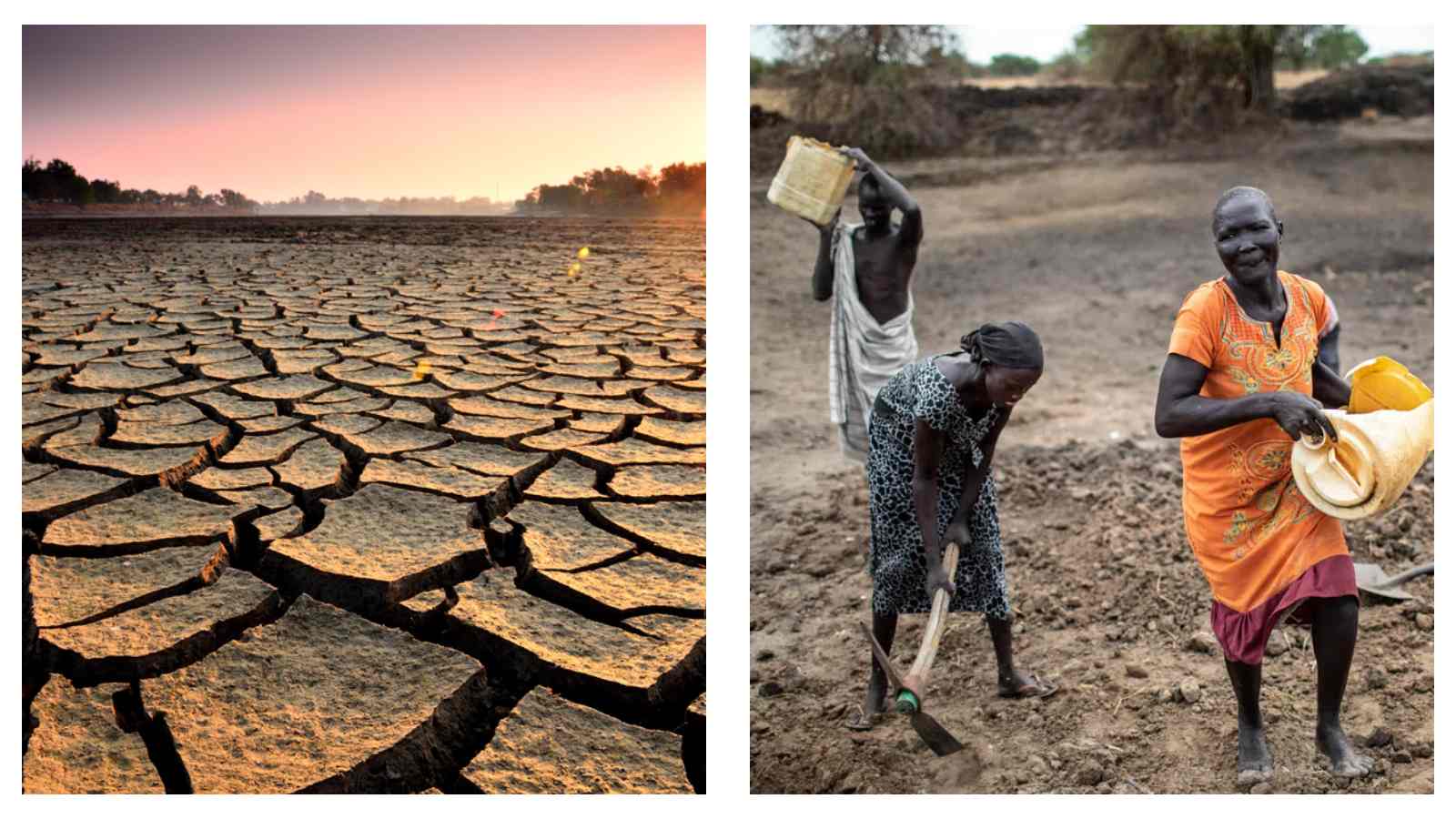
The IPC also warned that drought could further worsen food insecurity in Sudan, particularly in the Darfur and Kordofan regions, which remain major battlegrounds in the ongoing civil war.
More than half of the country is experiencing prolonged drought, affecting crops in several areas.
In North Darfur, for instance, 64 per cent of cropland showed poor growth, leaving families with inadequate food supplies and reduced income.
“An El Niño-induced drought, affecting roughly half of the country, is compounding the impacts of conflict and displacement, reducing food availability, driving up prices and affecting livelihoods,” it said in a statement, as quoted by Al Jazeera.
The organisation also noted that rainfall arrived too late to salvage most cereal crops in late September, a development likely to drive cereal prices higher.
Healthcare shortages leave more people vulnerable to disease
The war-ravaged country also faces inadequate healthcare and poor sanitation, leaving many people without access to adequate treatment for malnutrition and increasing their vulnerability to disease.
According to the IPC, the proportion of children in Nyala requiring immediate treatment for severe acute malnutrition increased from five per cent to 11 per cent between January and August.
“Healthcare is extremely limited, often entirely inaccessible, while clean water is becoming increasingly scarce, leaving a poorly nourished population highly vulnerable to disease and death,” it said.
Meanwhile, the World Health Organization (WHO) reported in April that several states, including Al Jazirah, Darfur, Gedaref, Khartoum, Kordofan, River Nile and White Nile, were facing widespread outbreaks of dengue, measles, polio, meningitis and diphtheria.
Despite these challenges, medical facilities have struggled to respond as healthcare facilities, ambulances and health workers have repeatedly come under attack, further straining the health system in conflict-hit areas.
YOU MAY BE INTERESTED IN: Somalia forges JF-17 fighter acquisition deal with Pakistan
Aid agencies call for increased funding
In response, the IPC urged the warring parties to end the civil war, protect civilians, safeguard the country’s food, water and health systems, and ensure sustained humanitarian access, particularly in frontline areas.
It also called on the international community to provide urgent financial assistance, warning that inadequate funding commitments could exhaust available food aid supplies and undermine shelter operations, putting more lives at risk.
Similarly, the WHO called for increased financial support to maintain humanitarian access and expand essential health, nutrition and hygiene services to prevent further deterioration of the situation.
The WHO has received funding for only 23 per cent of its US$97.7 million humanitarian appeal, highlighting the urgent need for additional financial assistance.
Sudan’s escalating war deepens the humanitarian crisis
The worsening food and healthcare crisis comes as Sudan’s civil war continues to claim civilian lives and displace millions.
Rights group Emergency Lawyers confirmed that a recent airstrike killed around 72 civilian miners in a border area between Sudan and Egypt, underscoring the continuing violence as fighting between the SAF and RSF escalates, the Associated Press reported.
The civil war, which erupted on April 15, 2023, has reportedly killed at least 150,000 people and displaced around 13 million, although aid groups warn that the actual figures could be higher.
Despite the scale of the humanitarian emergency, Sudan continues to face significant funding shortfalls, threatening efforts to deliver food, healthcare and other essential assistance to affected communities, making it a forgotten crisis.
READ NEXT: Elon Musk unveils Tesla’s new ‘flying’ car
 Ciara Mina
  Rosemarie Zamora
  Jacinth Banite