
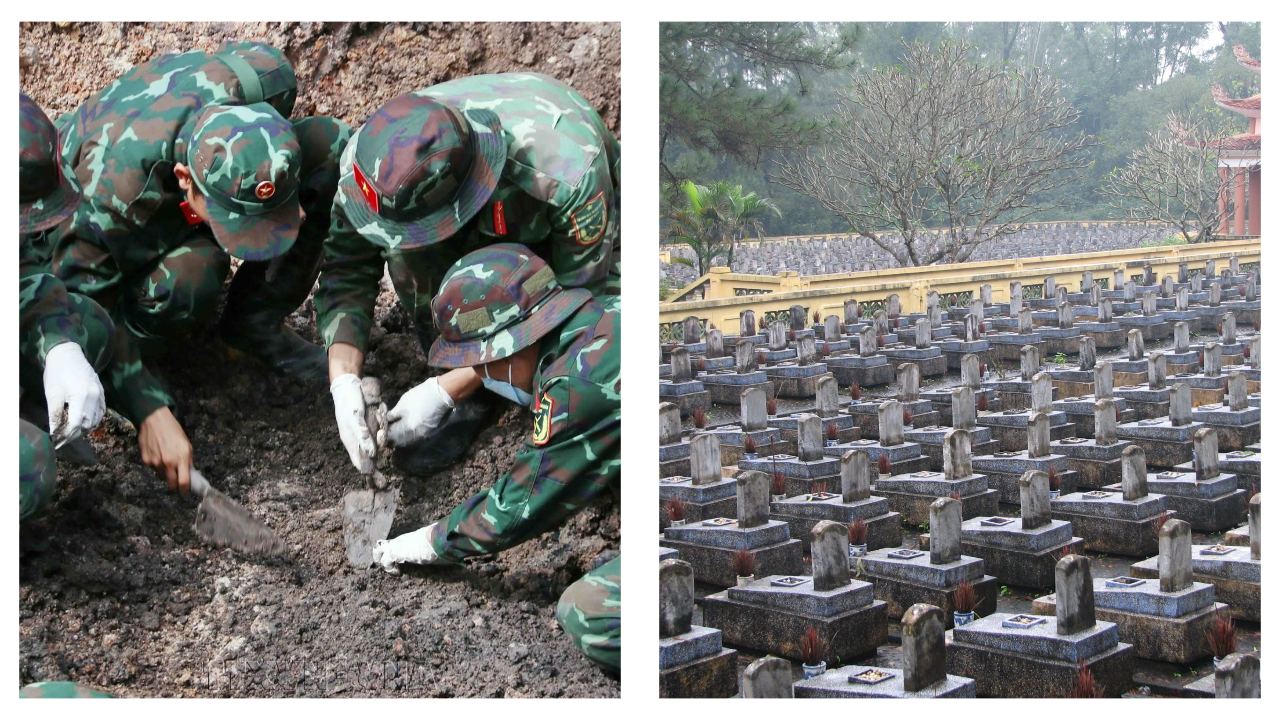
More than 1,700 remains of fallen soldiers have been recovered in Vietnam as part of a nationwide campaign to accelerate the search, recovery and identification of war martyrs’ remains.
Launched on March 15, the 500-day campaign has achieved 24.5% of its target so far, local media SGGP News reported.
The recoveries include 691 in Vietnam, 174 in Laos, and 850 in Cambodia.
Mass grave discoveries and cross-border operations
Authorities have found 13 mass graves in Vietnam, including eight in Ho Chi Minh City and five in Tuyen Quang Province.
They are also verifying information about suspected martyrs’ graves at Tan Son Nhat International Airport in Ho Chi Minh City, Quan Y Bac Son Hill in Dong Nai City, the Con Thien base area in Quang Tri Province, and the Vi Xuyen area in Tuyen Quang Province.
Search teams operating in Laos and Cambodia will begin their 2026-27 dry-season missions earlier than usual.
They will focus on locations identified through information provided by organizations and individuals.
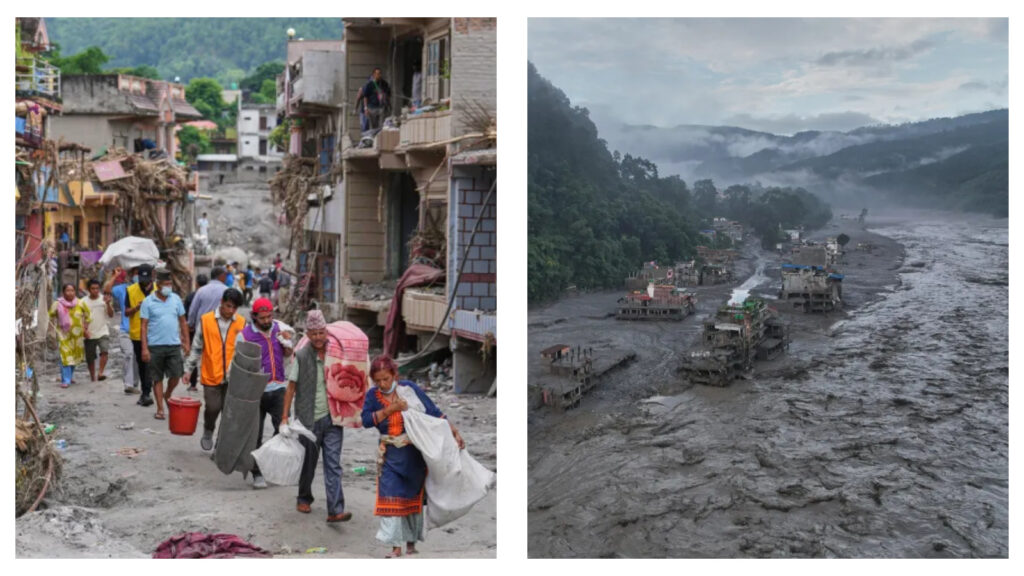
YOU MAY ALSO LIKE: Nepal-China flood toll hits 768 as international aid pours in
DNA sample collection
Efforts to collect DNA samples for identification are being accelerated, with localities now obtaining an average of 2,000-3,000 samples each day, digital newspaper Vietnam News reported.
Samples have been collected from 124,762 graves, reaching 58.4% of the target.
Nine localities have completed their sample collection, while Khanh Hoa Province, Dong Nai City, Ho Chi Minh City, and Tay Ninh Province have each completed more than 90% of their assigned targets.
What this means for Vietnam
Recovering and identifying war martyrs in Vietnam means fulfilling a sacred national duty to heal historical wounds, honor those who sacrificed for the nation’s independence, and return fallen soldiers to their families.
“It marks the return of a son or daughter to the Fatherland and to their family, the restoration of a missing chapter of history, and a reaffirmation of the country’s enduring tradition of remembering those who served the nation,” General Secretary and President To Lam said in July.
READ NEXT: Panama Canal confirms new transit plan for all vessels amid low water levels
 Ciara Mina
  Rosemarie Zamora
  Jacinth Banite