
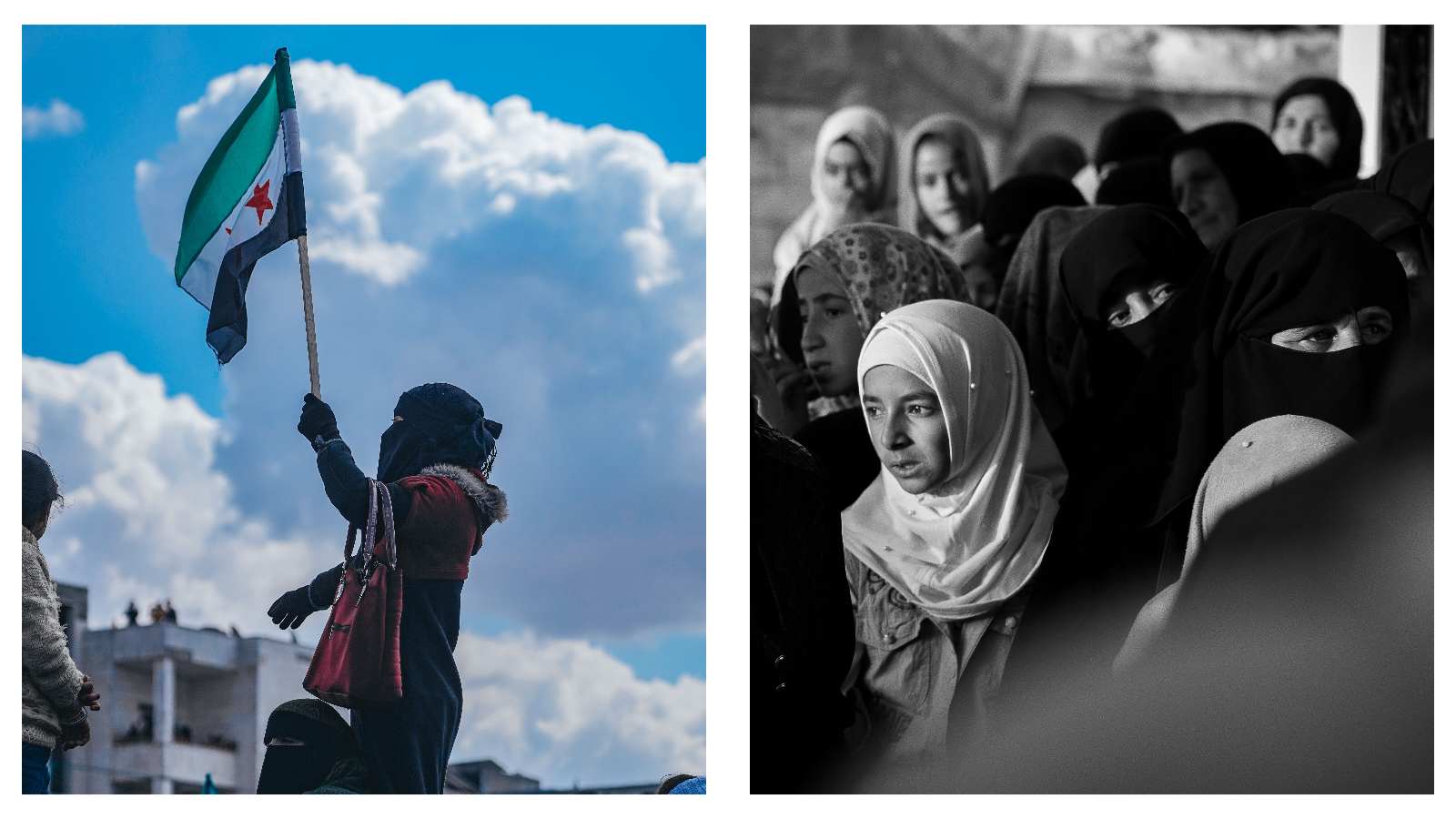
Syria’s new Islamist-led government has barred women from enrolling in several degree programmes, raising further concerns about gender discrimination in the country.
Under new admission rules released by the Ministry of Higher Education and Scientific Research for the 2026–2027 academic year, women will be barred from enrolling in programmes reserved for men, including legal studies, social studies, business administration and economics.
Other restricted programmes include mechanical, electronic, computer, mechatronics, marine and aeronautical engineering, as well as courses at military and security institutions, the New Arab reported.
The restrictions will apply at the National University for Defence Sciences and the Syrian University for Security Sciences, newly established institutions under the Islamist authorities.
The ministry did not provide a reason for the restrictions but noted that several programmes remain open to women, including early childhood education, nursing, midwifery and selected cybersecurity courses.
The restrictions will vary by institution and location, with women still allowed to study subjects such as law and engineering at other universities, including Damascus University.
Changes spark outrage among Syrians
The new rules have drawn sharp criticism from education advocates and general public, who have raised concerns about women’s equal access to higher education under the new government.
Educator Ahlam Othman told Agence France-Presse that the restrictions posed “another obstacle” for Syrian women, who already face discrimination and oppression.
Meanwhile, Sally Obeid, a founding member of the Syrian Christian Congress, described the new rules as an example of exclusionary policies.
Rime Allaf, author of “It Started in Damascus: How the Long Syrian Revolution Reshaped Our World,” also described the changes as “primitive,” warning that the decisions could have a broader impact on society.
The government has also faced criticism on social media, with many users saying the restrictions would limit women’s opportunities to participate in social and professional life.
YOU MAY ALSO LIKE: Syria exits list of states sponsoring terrorism after nearly 50 years
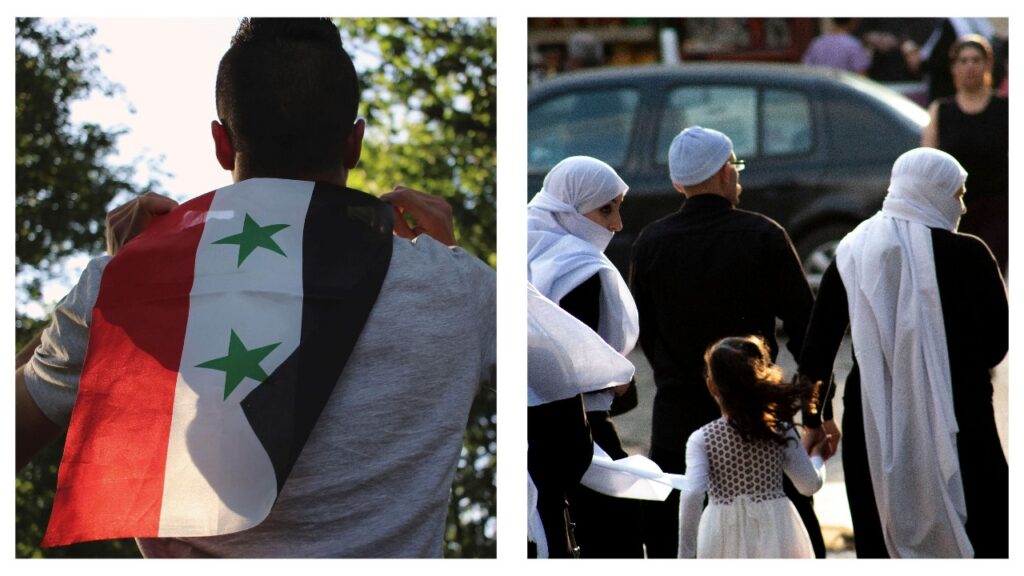
Pattern of gender-based restrictions
The restrictions are not entirely new, as several educational institutions in Syria have previously limited women’s access to certain programmes.
For instance, women are not allowed to enrol in some technical programmes, such as radio and television production, at a media institute in Idlib, a former stronghold of the Islamist rulers.
Similarly, several technical institutes, including the Oil and Gas Institute in Deir Ezzor, have admitted only male students.
Additionally, a well-known educational institution in Damascus separated boys and girls in September, raising concerns about the impact of such measures on women, Insight International reported.
These moves come despite former Education Minister Nazir Mohammad al-Qadri’s earlier assurance that the government would promote educational equality between men and women.
“The right to education is not limited to one specific gender…There may be more girls in our schools than boys,” he said.
Women remain underrepresented in politics, workforce
Beyond the restrictions in education, Syrian women remain underrepresented in politics and the workforce for decades.
Hind Kabawat, the minister of social affairs and labour, is the only woman in the country’s transitional cabinet, while women hold just 22 of the transitional parliament’s 206 seats.
In the workforce, women often take on unpaid volunteer and local relief work, while men are prioritised for salaried employment. These challenges persist even as many women serve as the de facto breadwinners in their households.
According to a study by the United Nations High Commissioner for Refugees (UNHCR), about 19 per cent of Syrian households have been headed by women since the start of the Syrian conflict.
Calls for gender equality
In response to these concerns, Human Rights Watch (HRW) has called on the new government to ensure that the right to education is “secured without discrimination of any kind” and to develop a strategy to keep all educational institutions accessible regardless of gender.
HRW has also urged the government to integrate women into active, high-level political decision-making in line with UN Security Council Resolution 1325.
Despite these calls, it remains unclear whether the new government will take meaningful steps to protect women’s rights and remove barriers to their participation in public life.
The restrictions have renewed concerns about whether Syria’s political transition will bring meaningful progress towards gender equality following the fall of long-time leader Bashar Assad in December 2024.
READ NEXT: ASEAN, India strengthen strategic security, cultural ties
 Ciara Mina
  Rosemarie Zamora
  Jacinth Banite